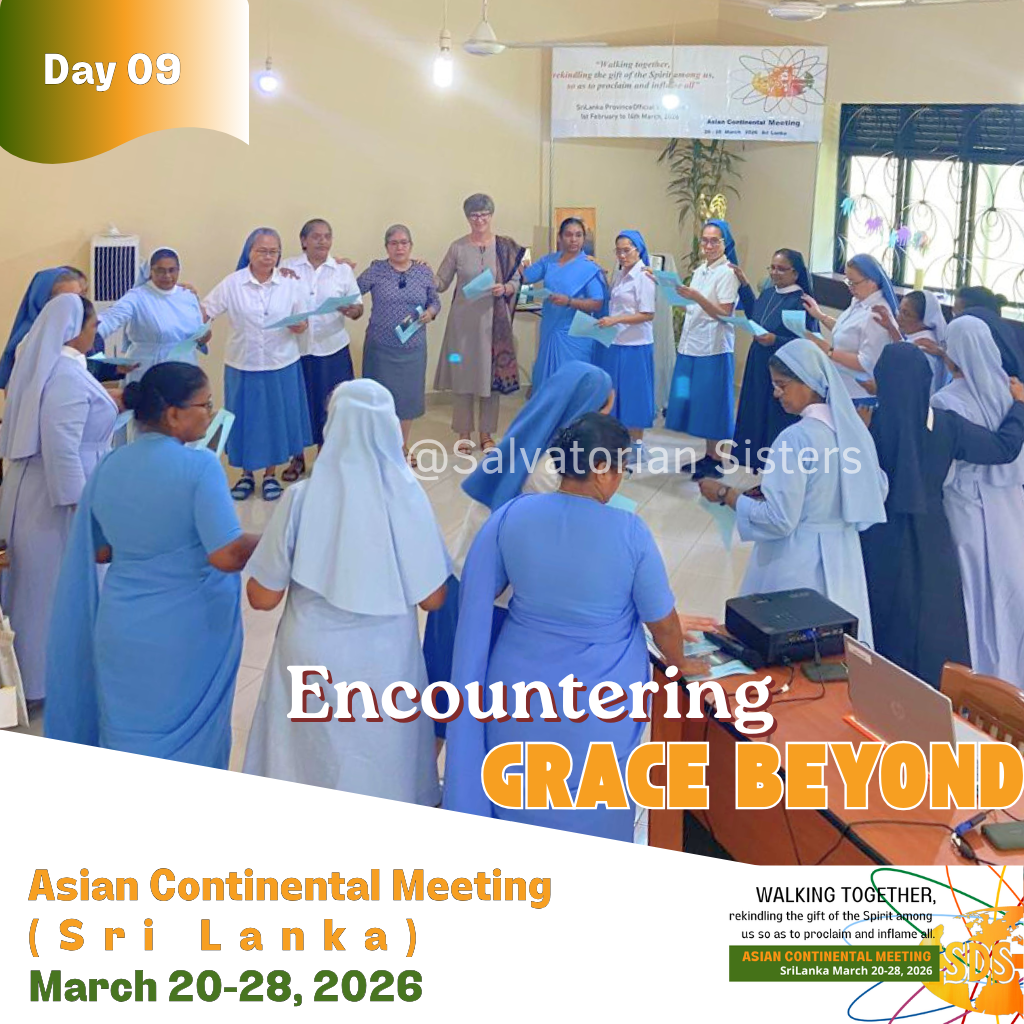
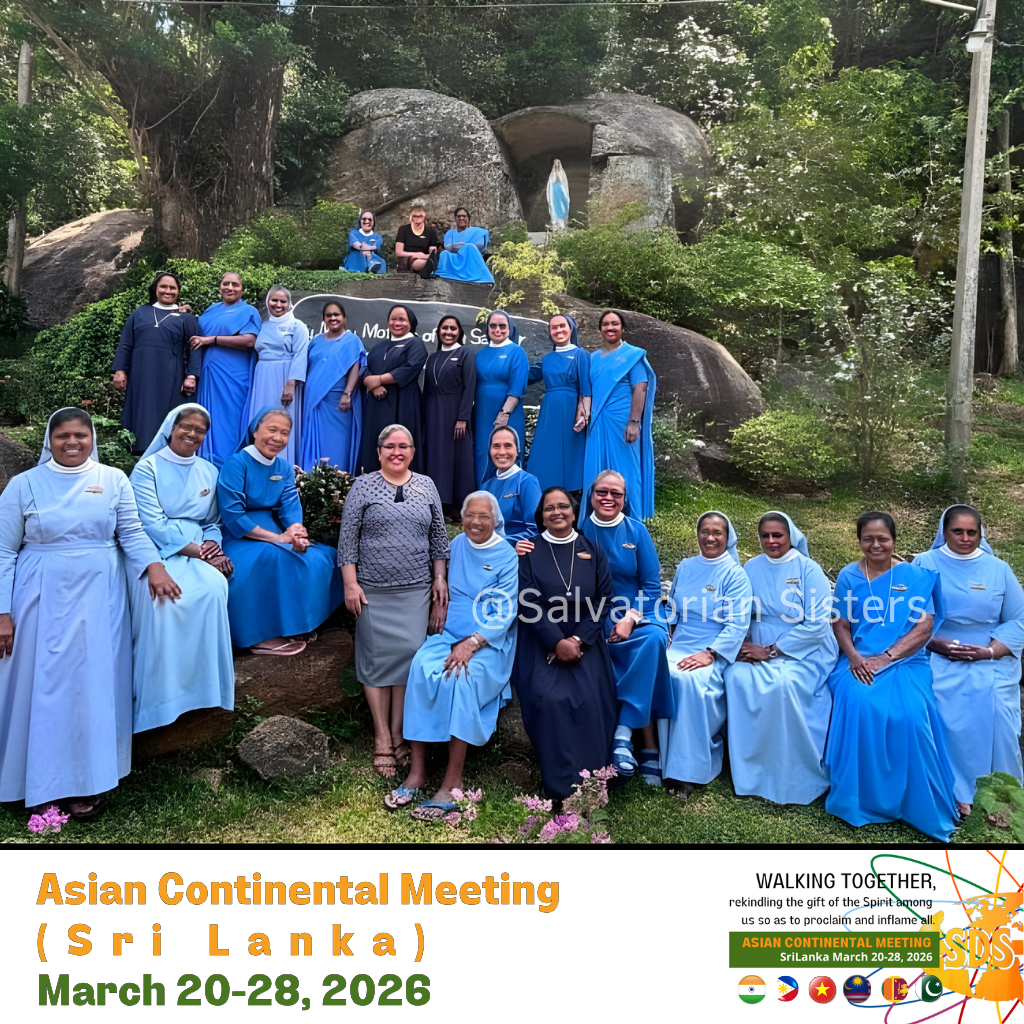
SDS Asian Continental Meeting (Sri Lanka) March 20-28, 2026
Report of Asian Continental meeting_𝗔𝘀𝗶𝗮𝗻 𝗖𝗼𝗻𝘁𝗶𝗻𝗲𝗻𝘁𝗮𝗹 𝗺𝗲𝗲𝘁𝗶𝗻𝗴 (𝗦𝗿𝗶 𝗟𝗮𝗻𝗸𝗮) _ 𝗠𝗮𝗿𝗰𝗵 𝟮𝟬-𝟮𝟴, 𝟮𝟬𝟮𝟲
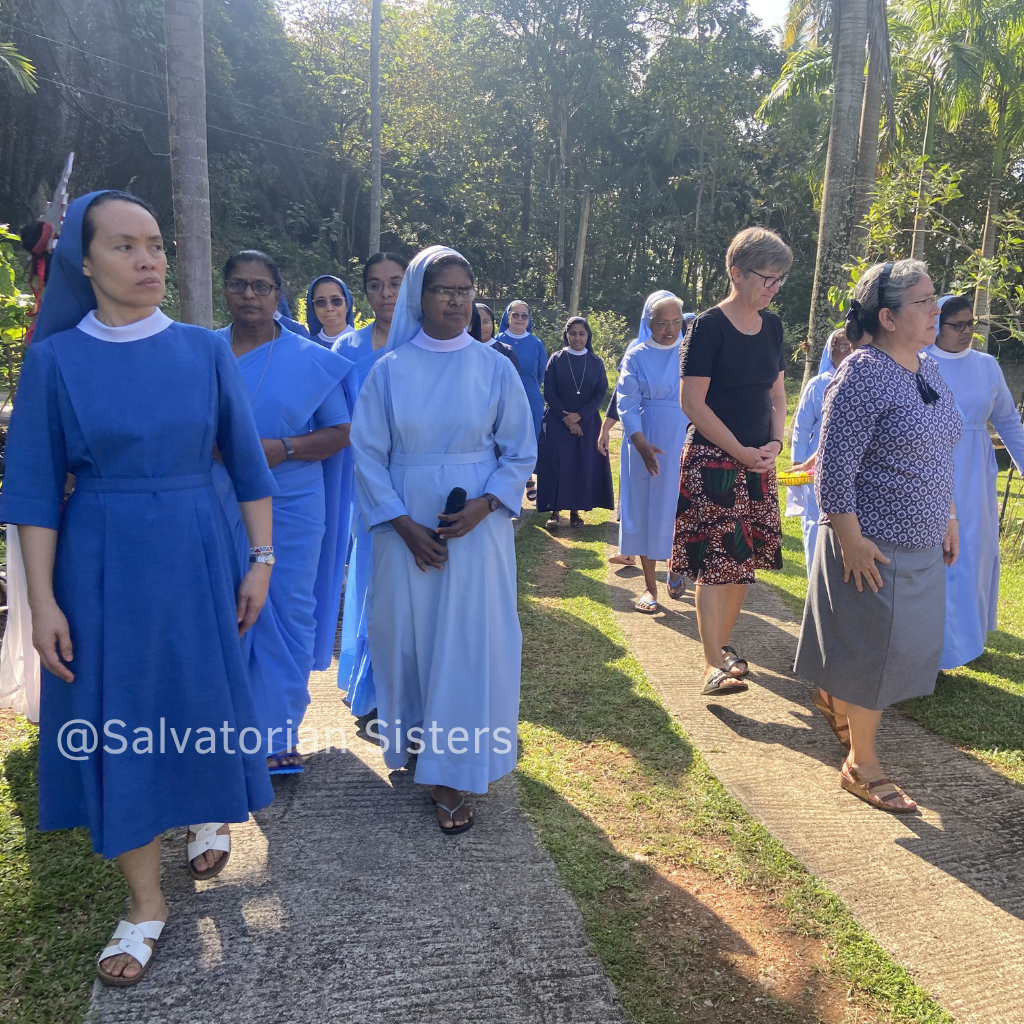
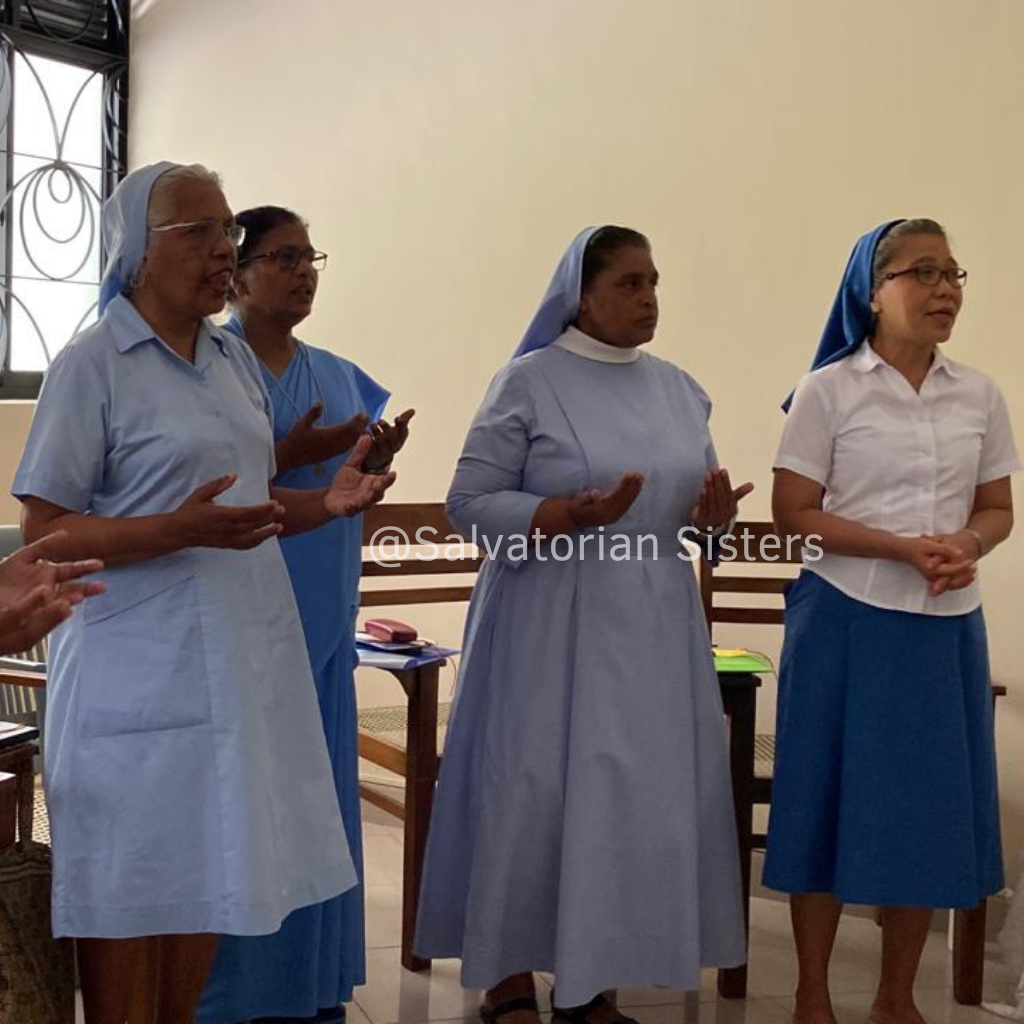
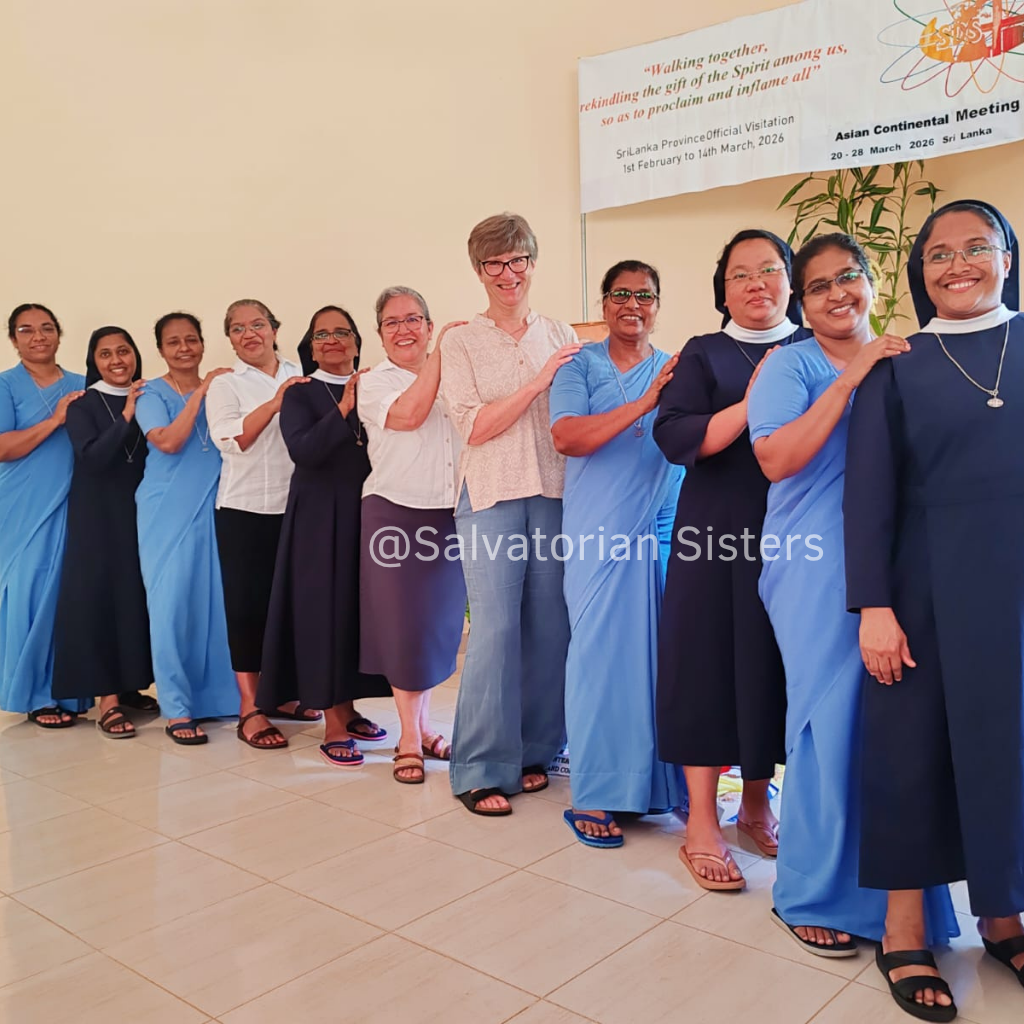
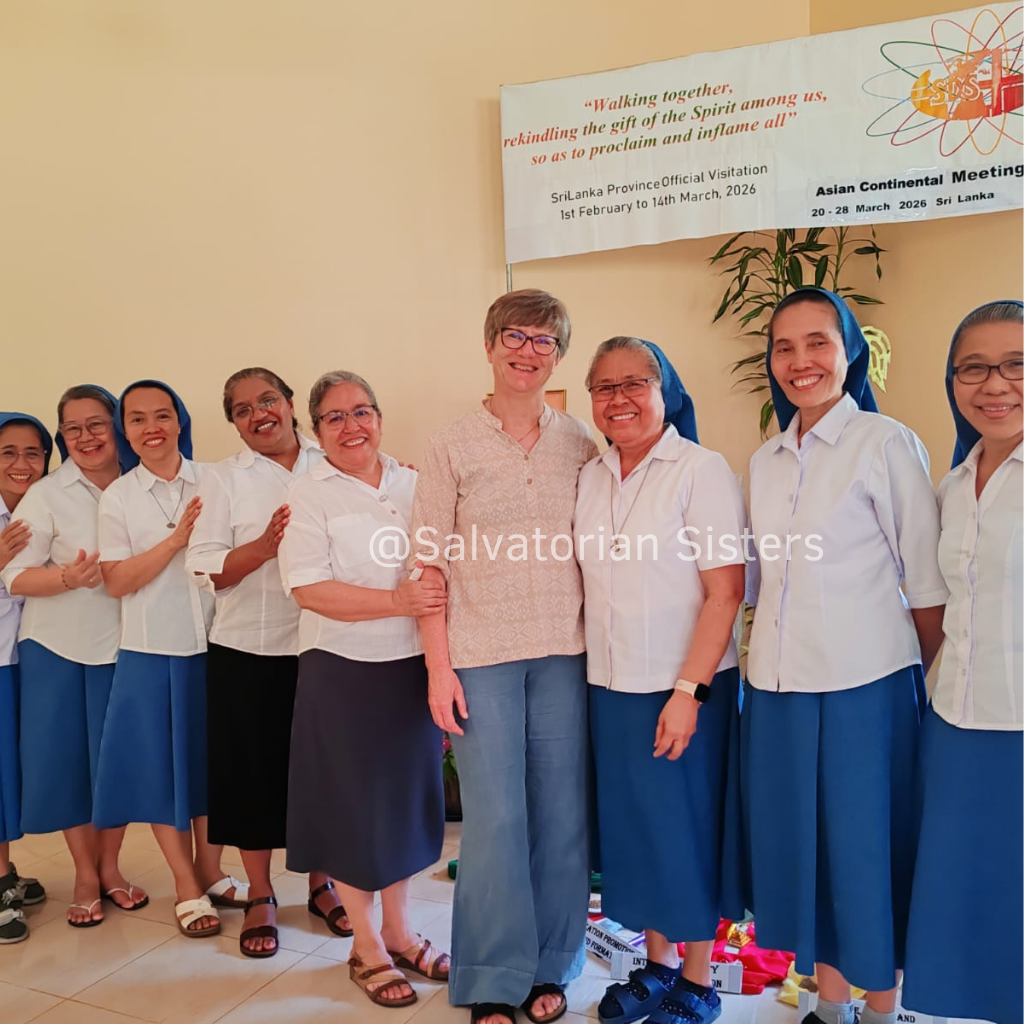
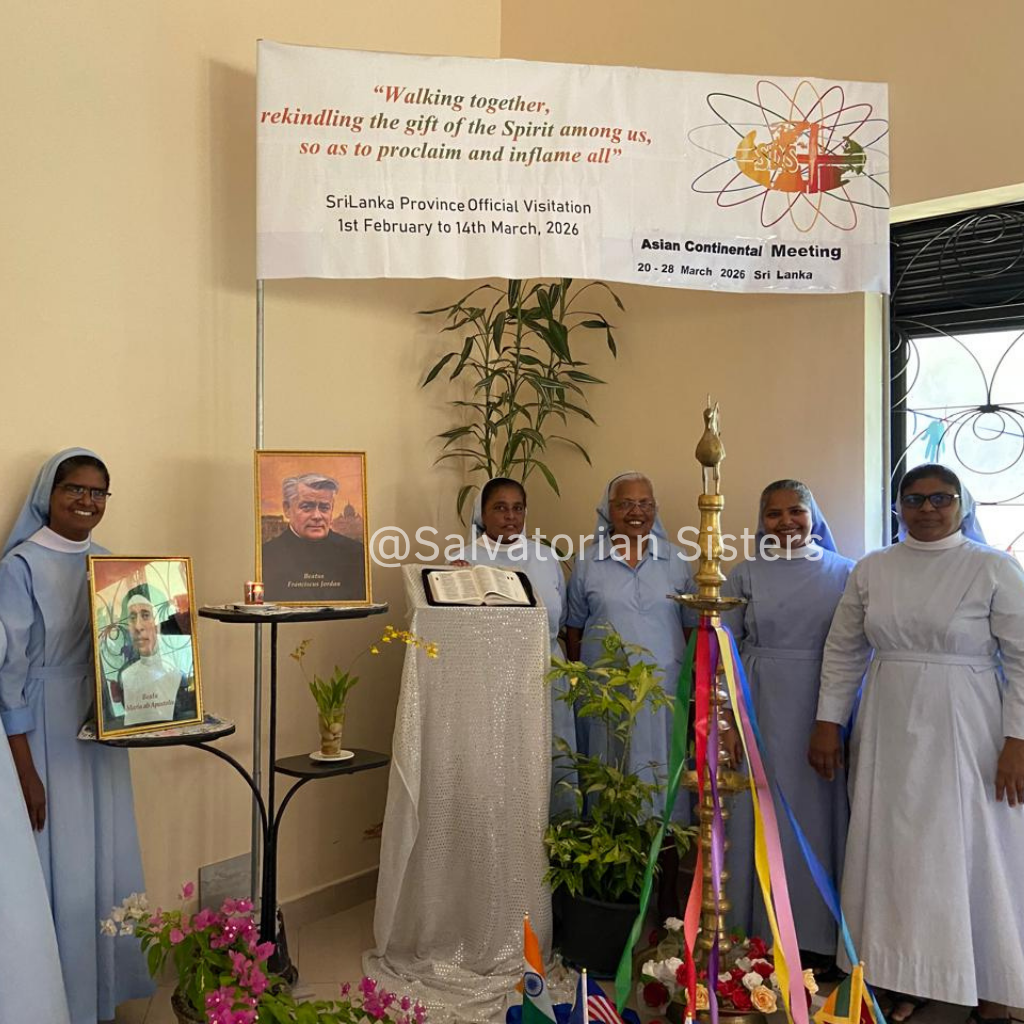
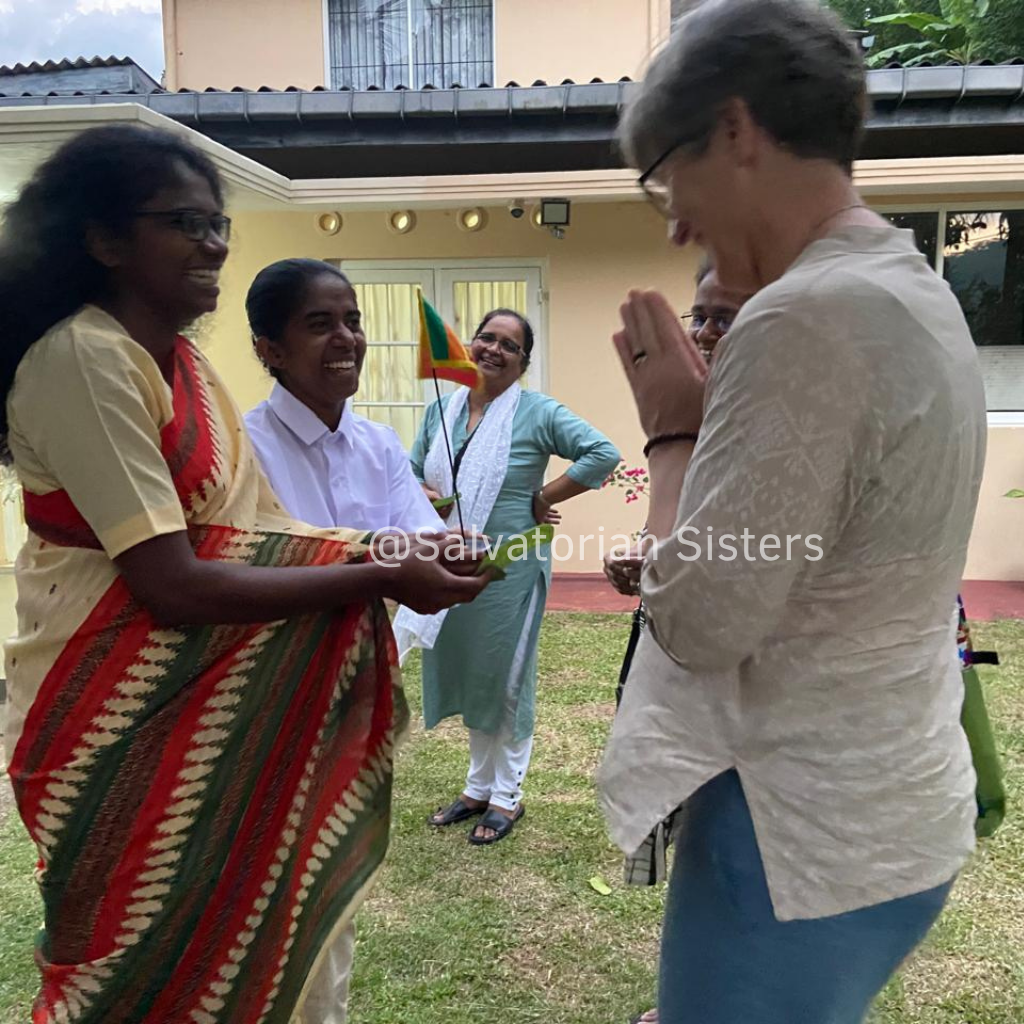
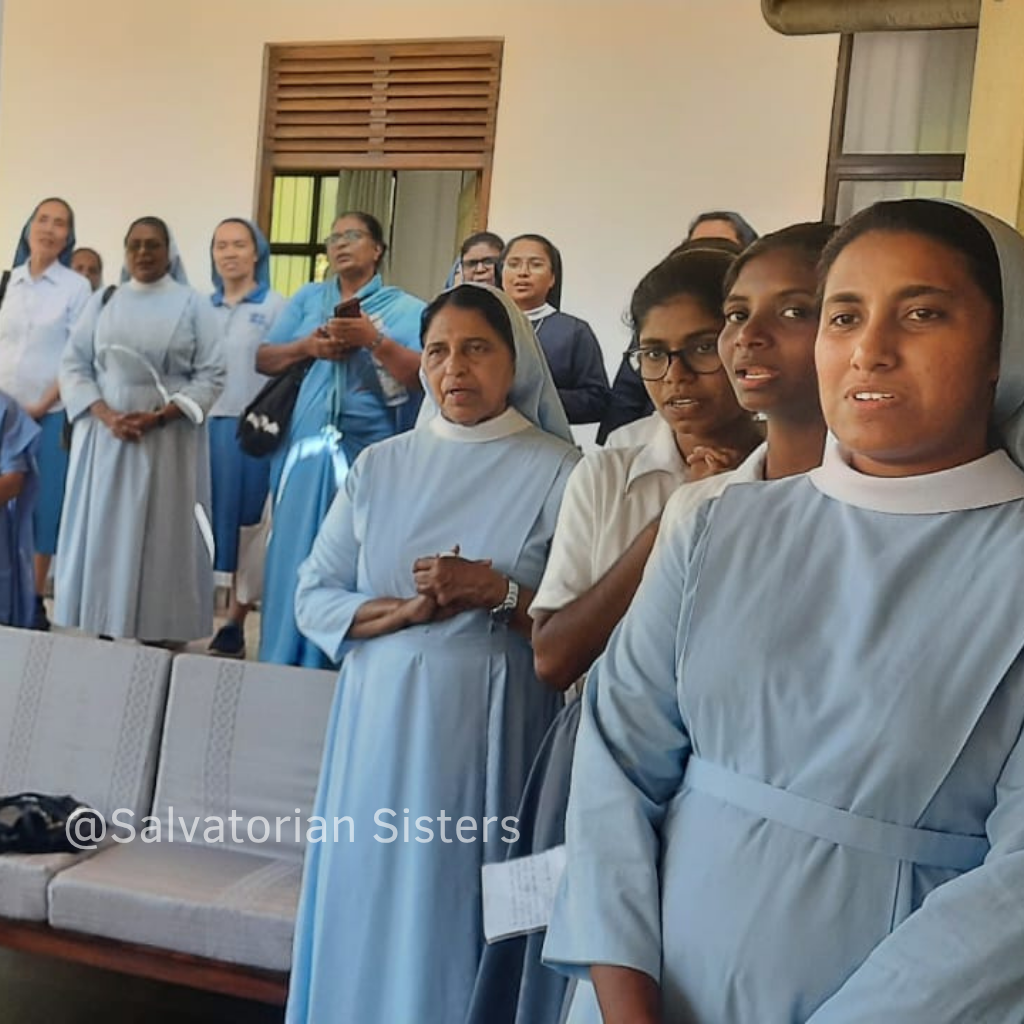
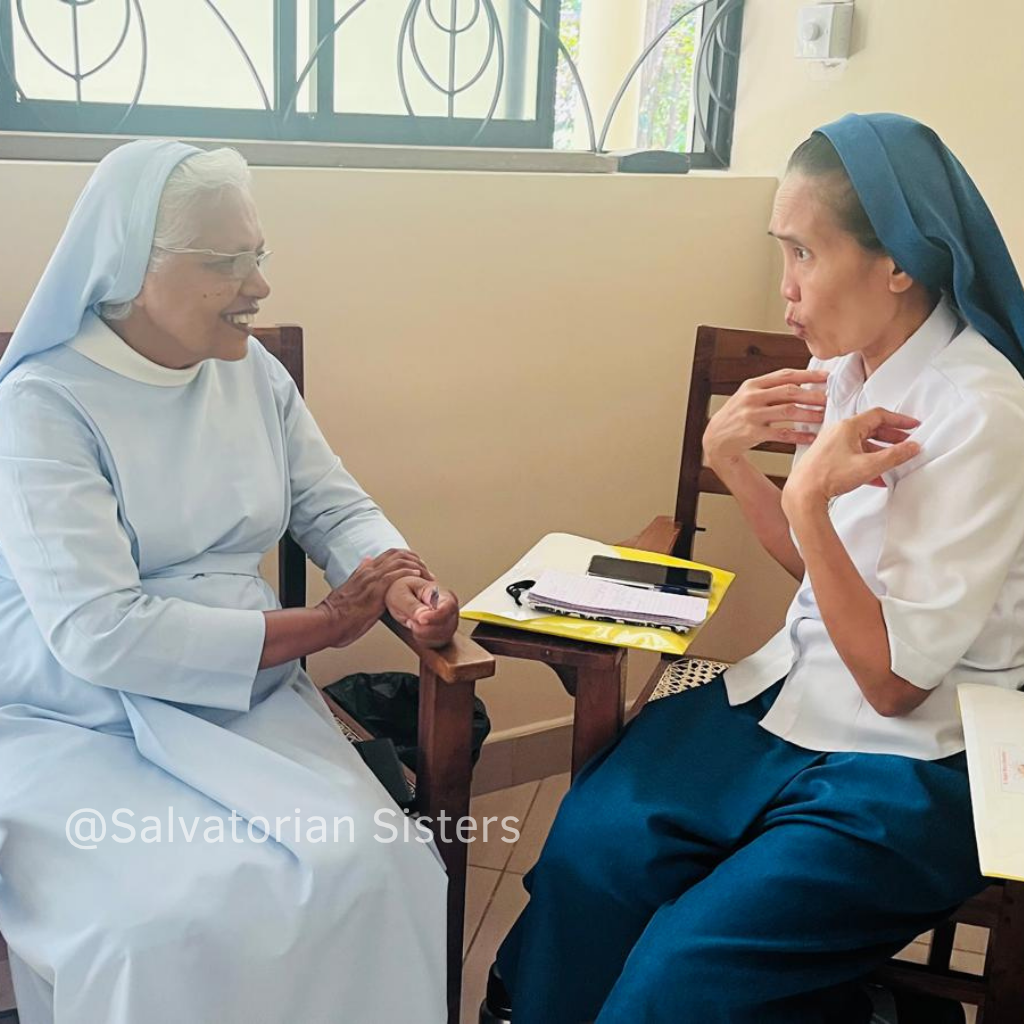
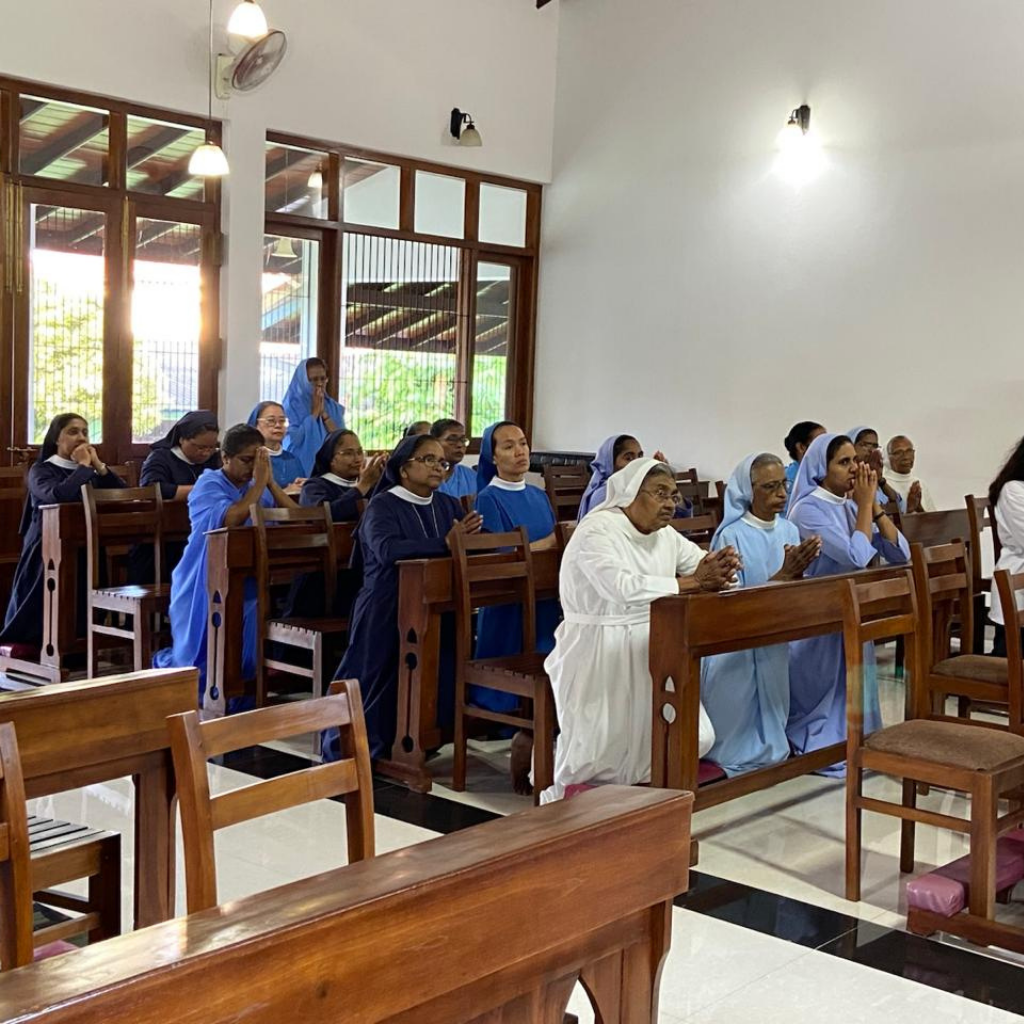
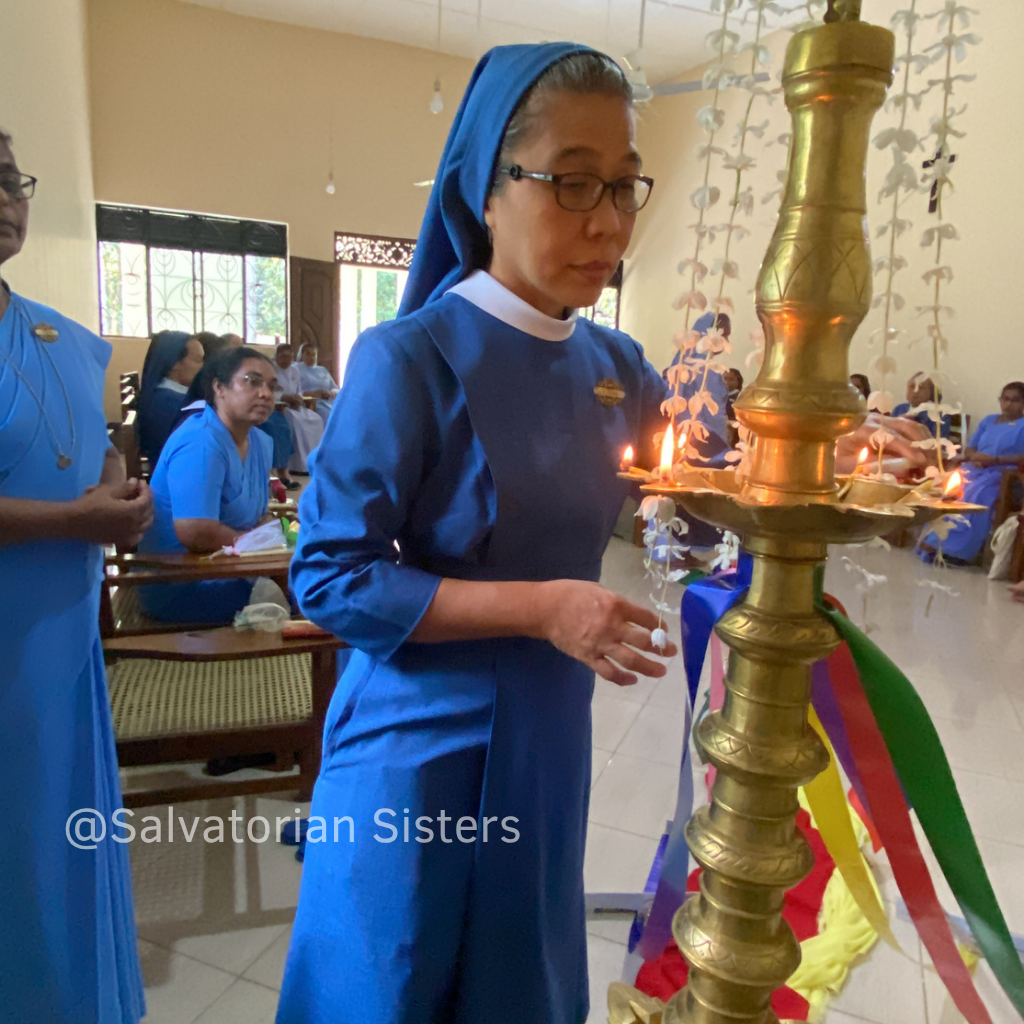
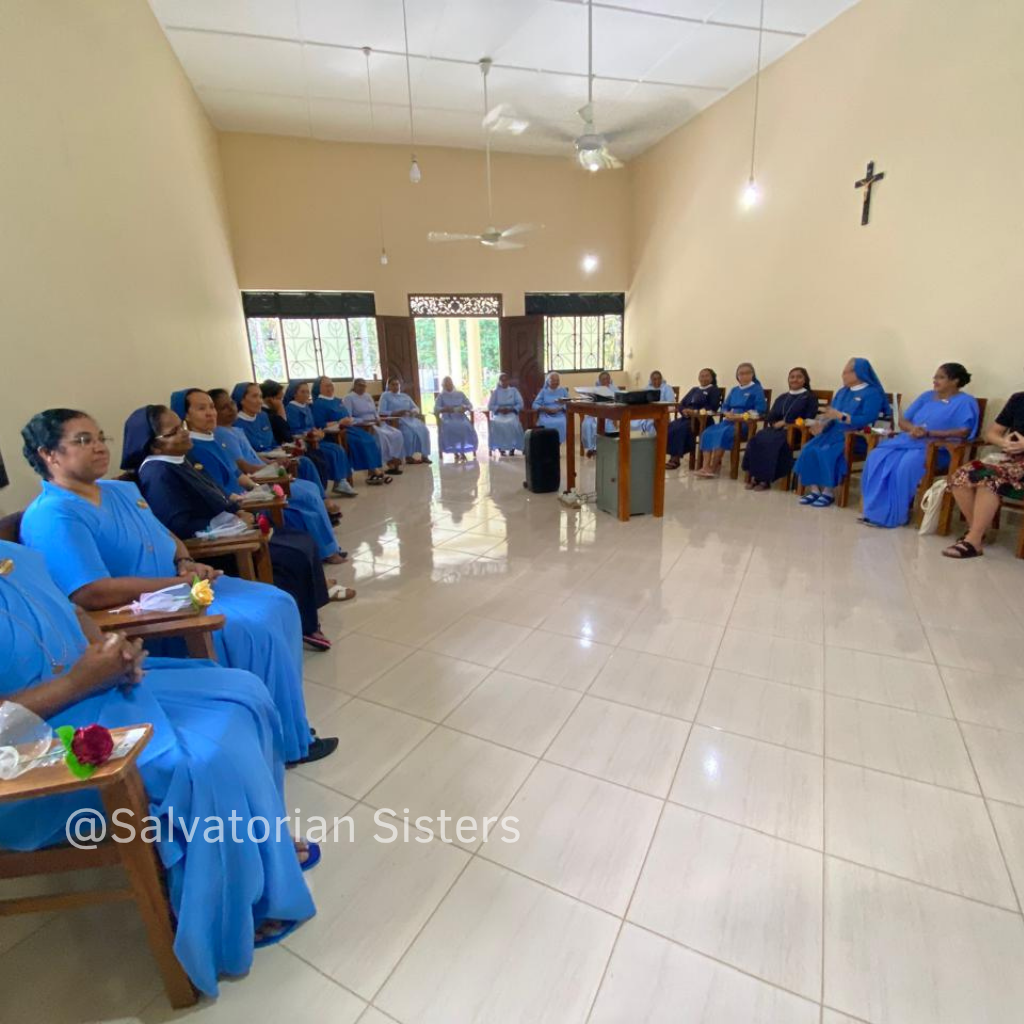
The Asian Continental meeting of the Salvatorian Sisters ended with a trail of inspiration, shared vision, and renewed sisterhood. It was more than a formal gathering; it was a “lived rhythm” of faith that spanned across the diverse landscapes of the continent. From the moment sisters arrived, the atmosphere was defined by a welcome that felt less like a routine and more like a family reunion. This spirit of belonging was anchored by an opening prayer that wove together reflection and cultural richness, setting a sacred tone for the days that followed.
The meeting revolved around several key themes that reflect the current path of the Salvatorian mission: Synodality in Action: We moved beyond theory to practice the “art of walking together.” In our listening and discernment, we found that the path forward is shaped not by individual certainty, but by our communion. The Beauty of Interculturality: Asia’s richness—its many colors, languages, and traditions—was celebrated as a gift. We discovered that embracing our differences doesn’t mean losing our identity, but rather expanding our hearts. Our shared mission took flight through collaborative initiatives. By shifting from “mine” to “ours,” we recognized that even small acts of service become seeds of global transformation.
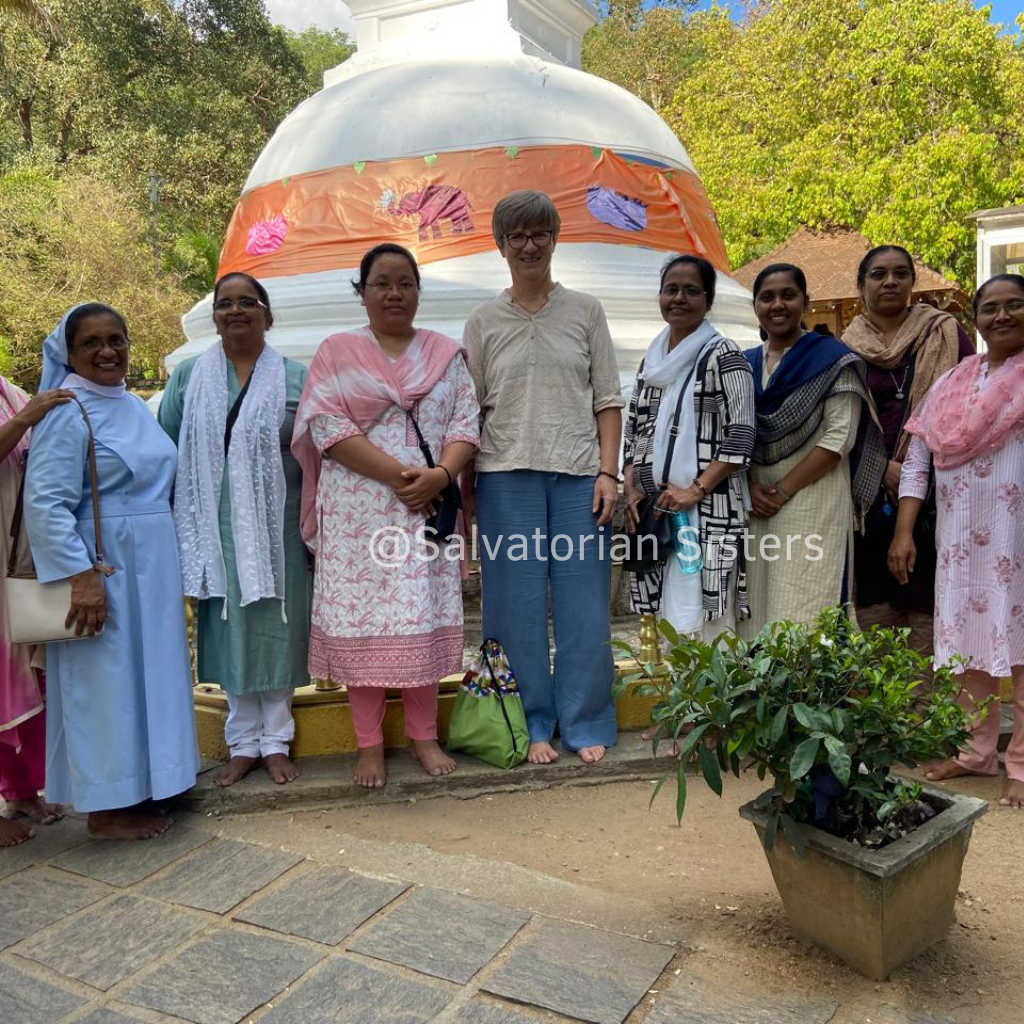
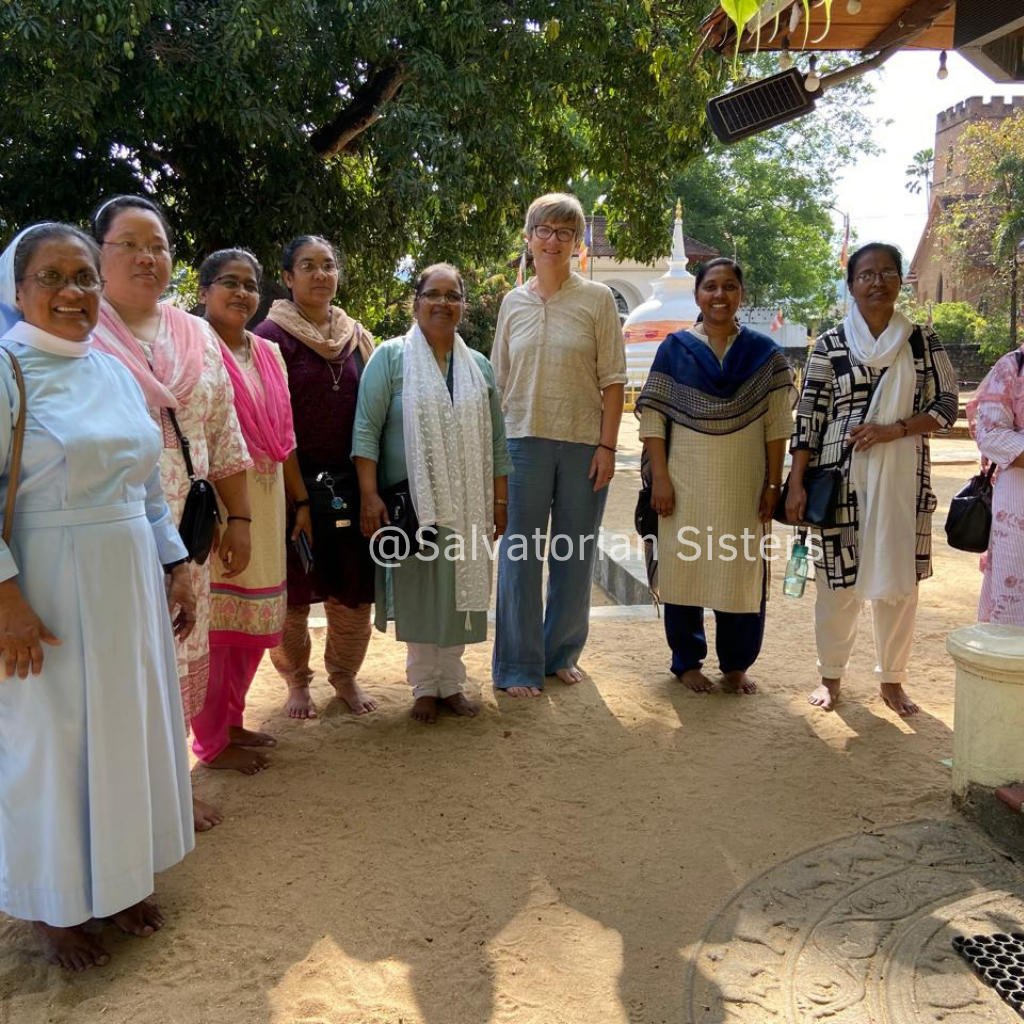
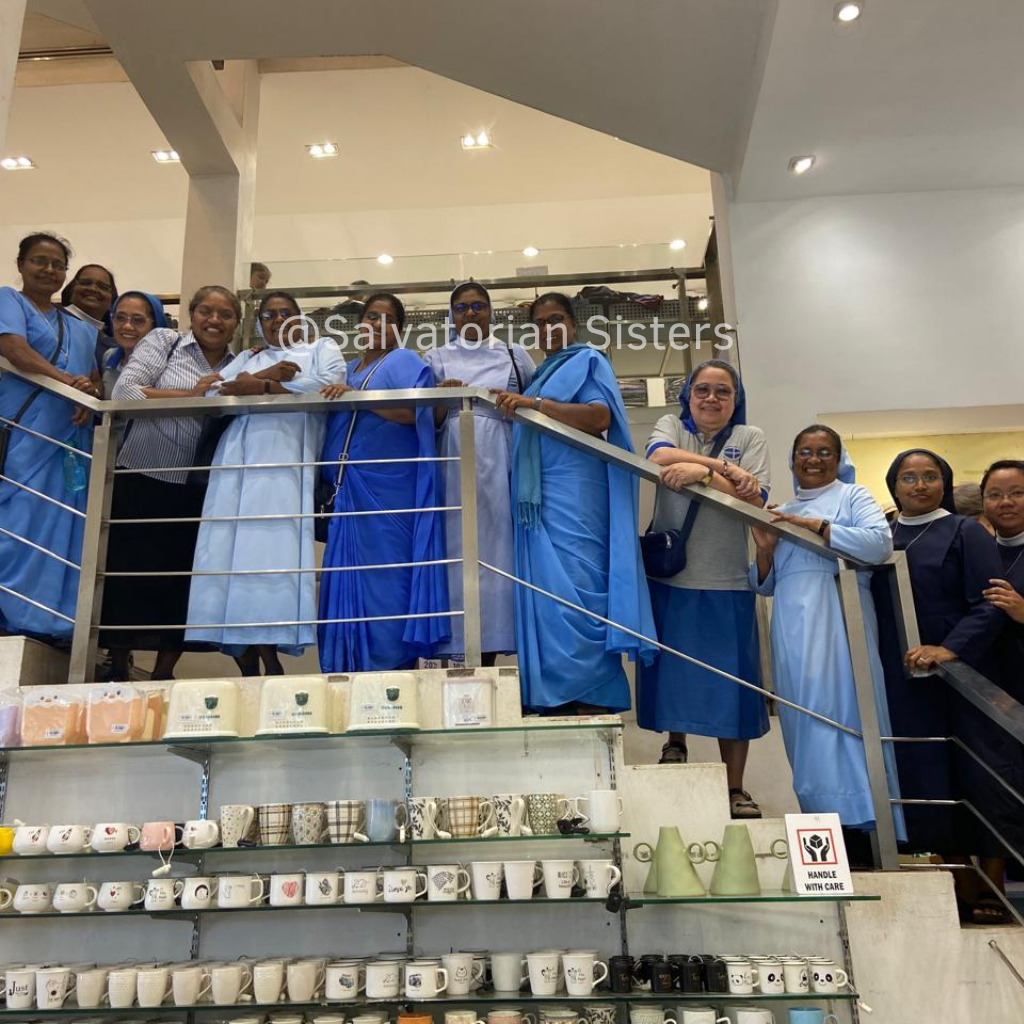
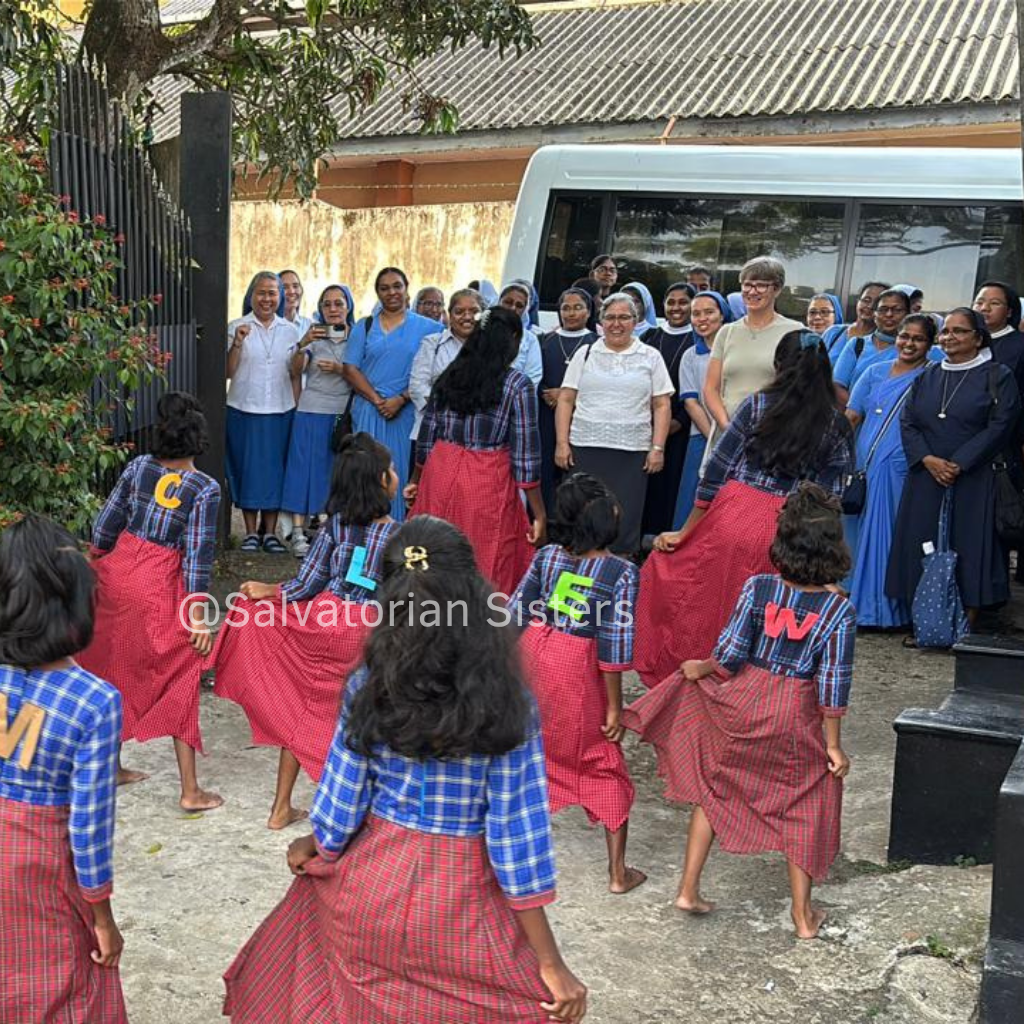
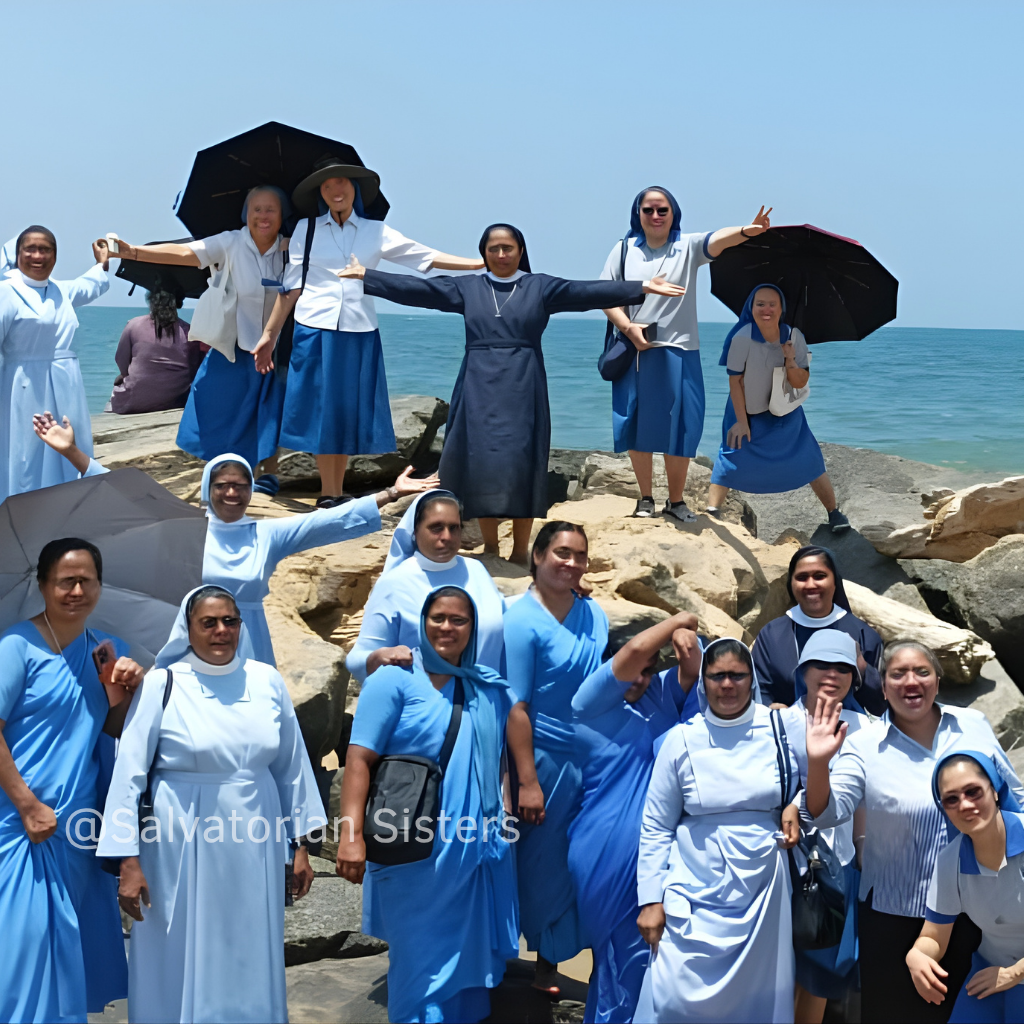
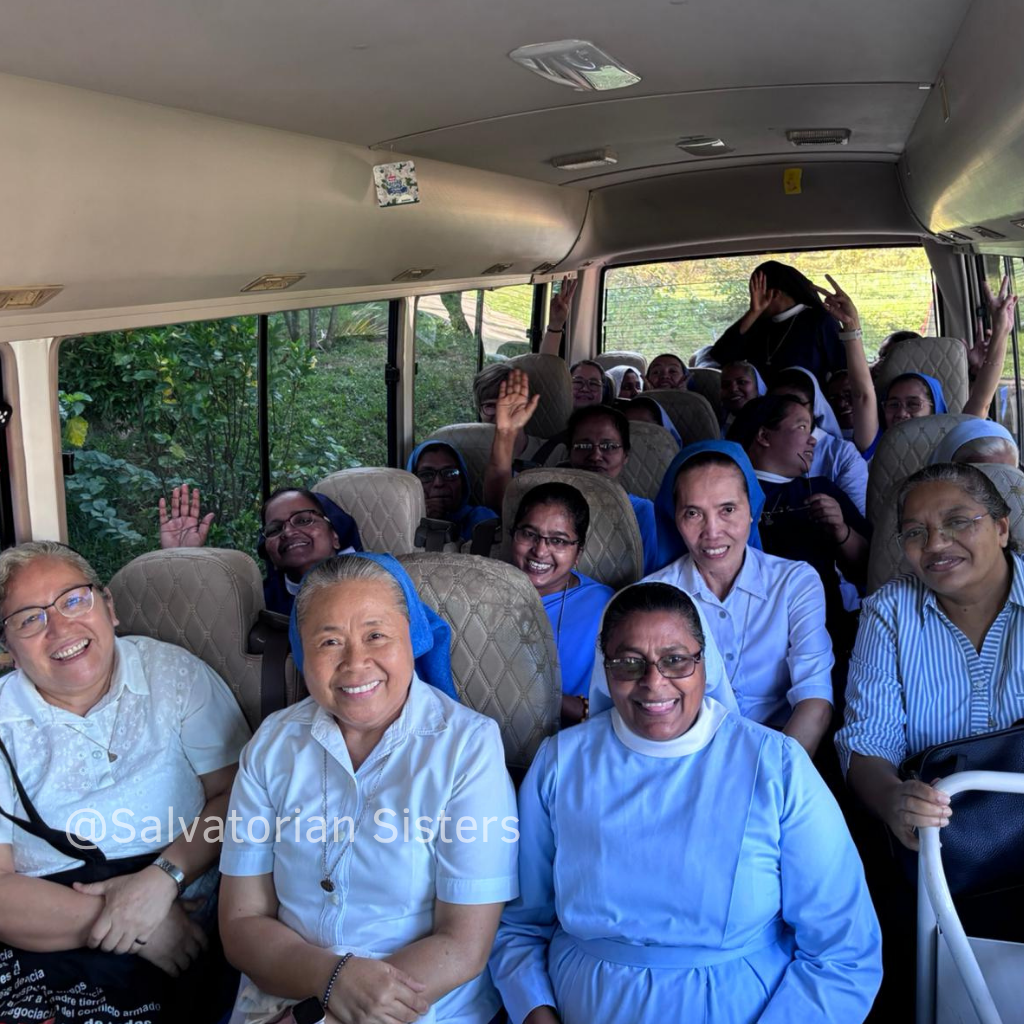
A significant highlight was the “Day Out,” where mission met humanity in its purest form. Visiting historical sites, formation houses, and children’s homes grounded the assembly in reality. In the laughter of resilient children and the stillness of simple homes, we encountered the very face of grace. The focus on Formation Programs, specifically the Asian Novitiate and Juniors programs, underscored our commitment to the future. We recognized that formation is a continuous fire that refines our spiritual and communal identity. Furthermore, looking toward Mission Horizons in Timor and Berlin reminded us that while the faces of mission are many, the heart remains one.
As the meeting drew to a close, it was clear that the journey had only just begun. We arrived as individuals from different lands, but we departed as a communion shaped by encounter. We continue to walk together, carrying the spirit of Asia in our hearts as we serve the world.
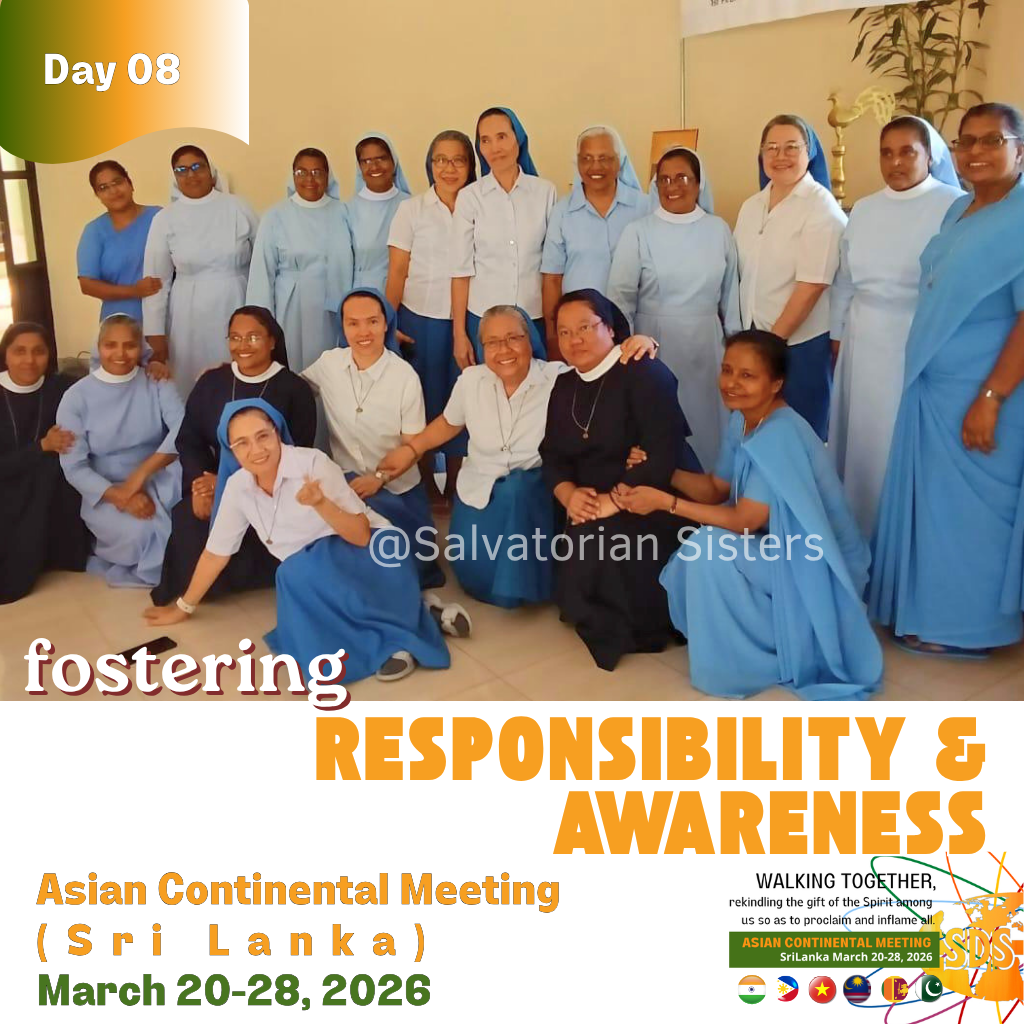
fostering responsibility and awareness_ Day 08
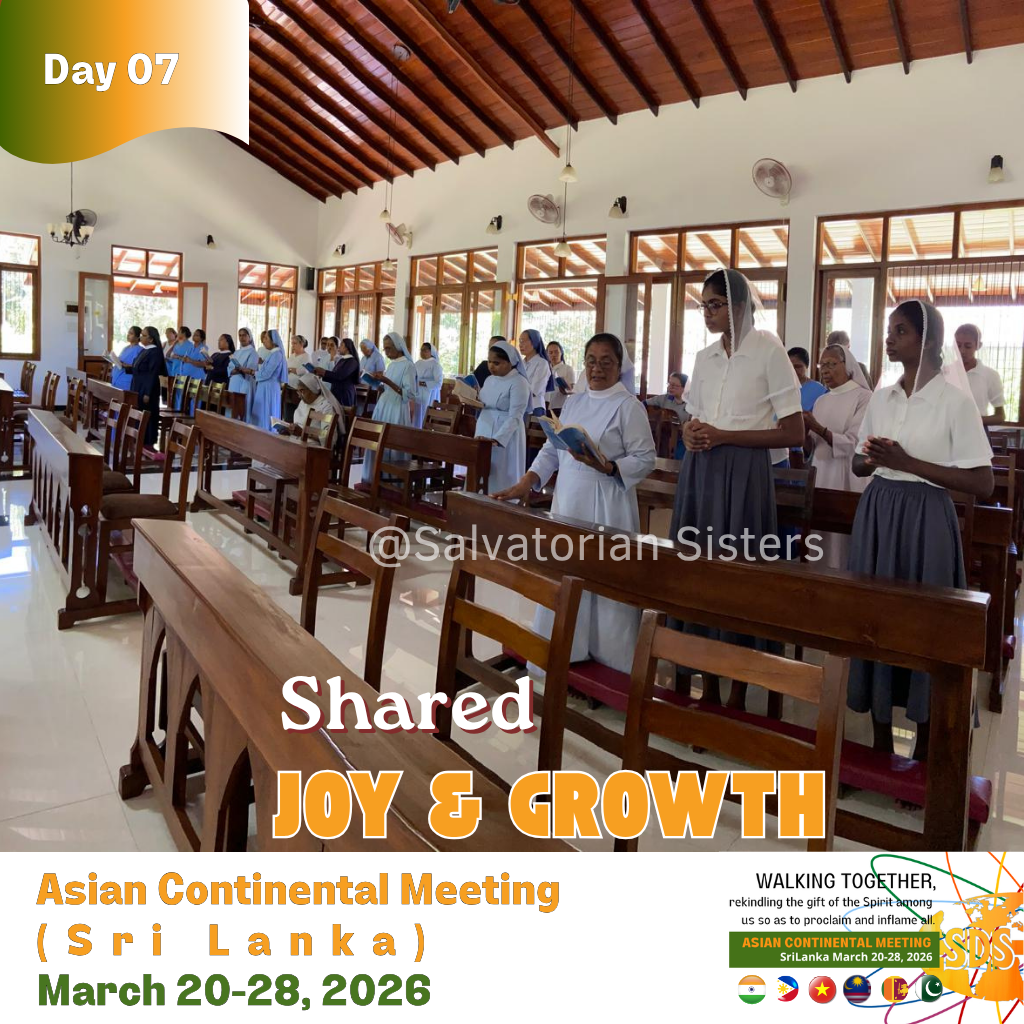
Shared Joys and Growth in Our Salvatorian Journey_ Day 07
The various common projects—such as the Asian Novitiate Program, the Juniors Program, the gathering for the Jubilee celebration of the Sisters, and the new mission initiatives in Timor and Berlin—have deeply enriched all of us in many ways. They have strengthened our sense of unity, bringing together sisters from diverse cultures and backgrounds, helping us to grow in mutual understanding and respect. Through formation programs like the novitiate and juniors gatherings, we have deepened our spiritual lives, renewed our commitment, and gained clarity in our vocation.
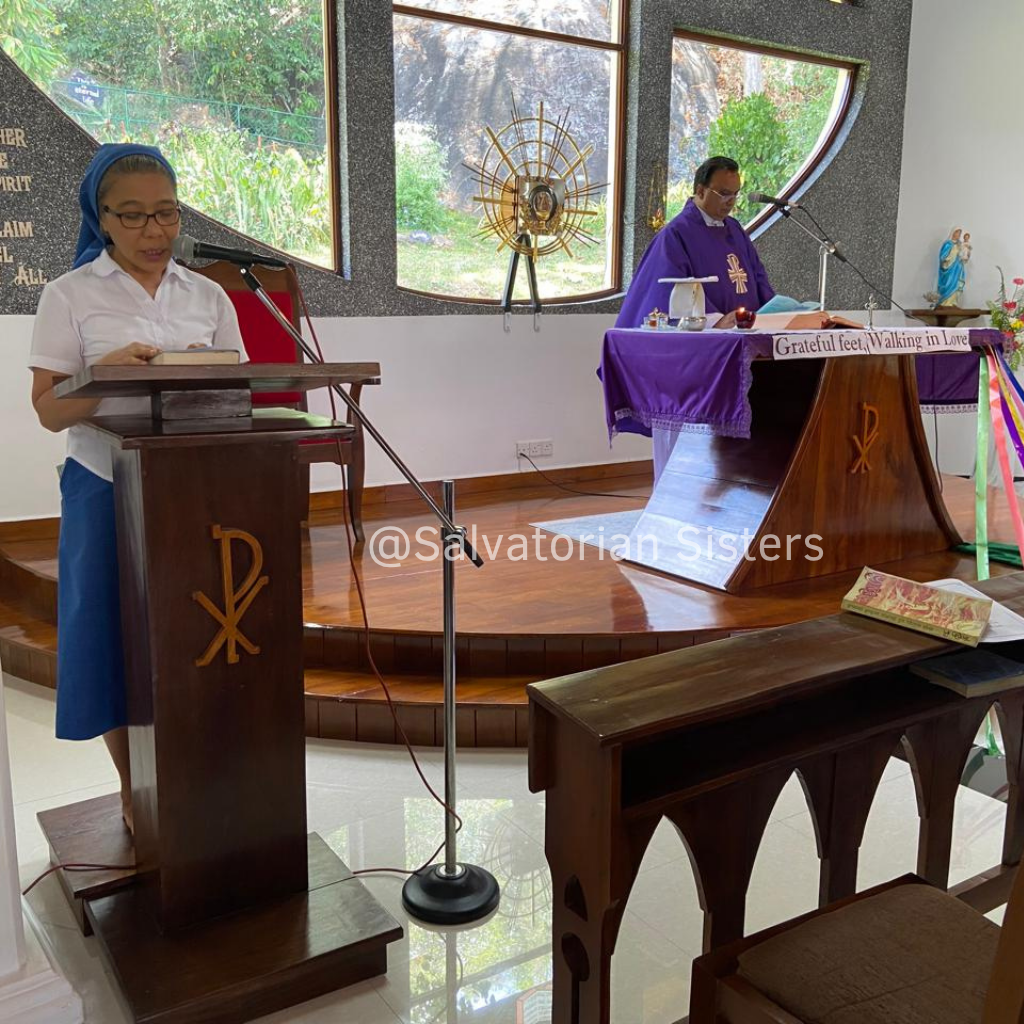
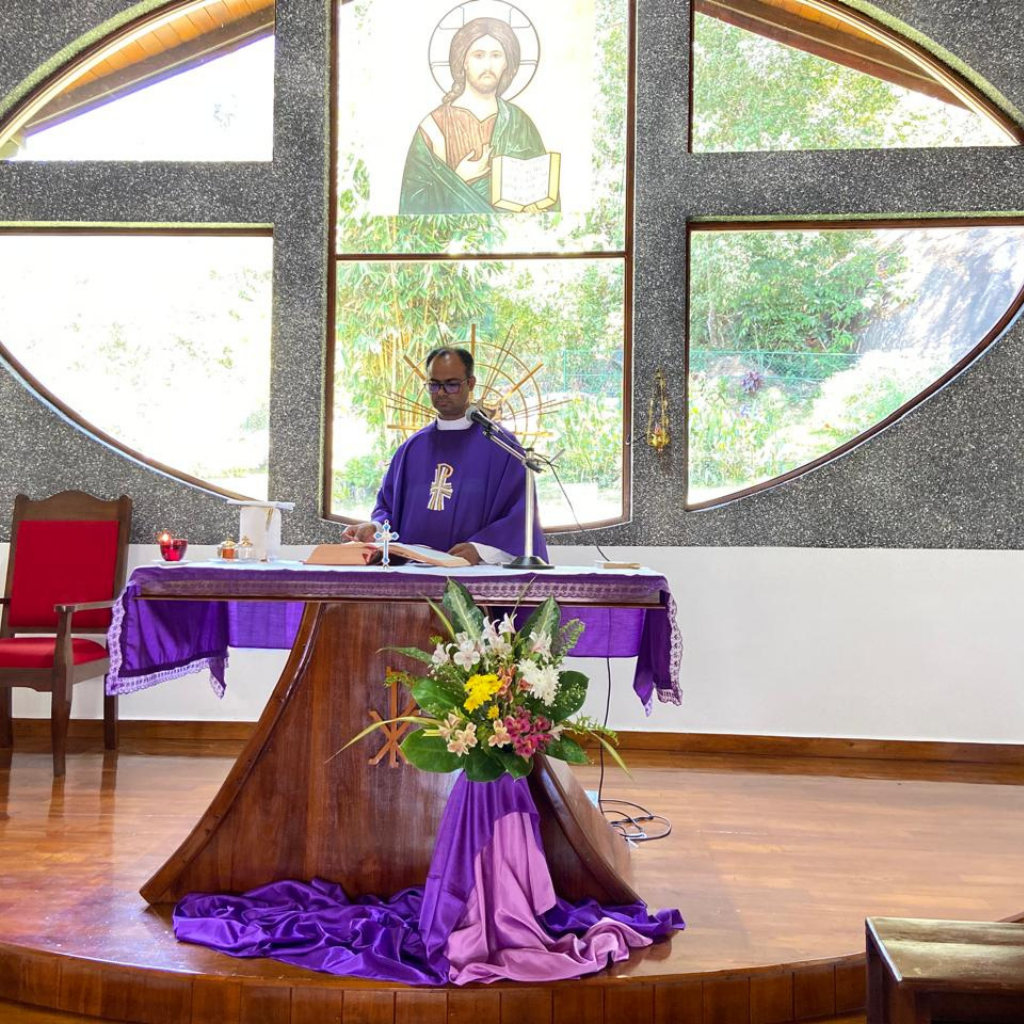
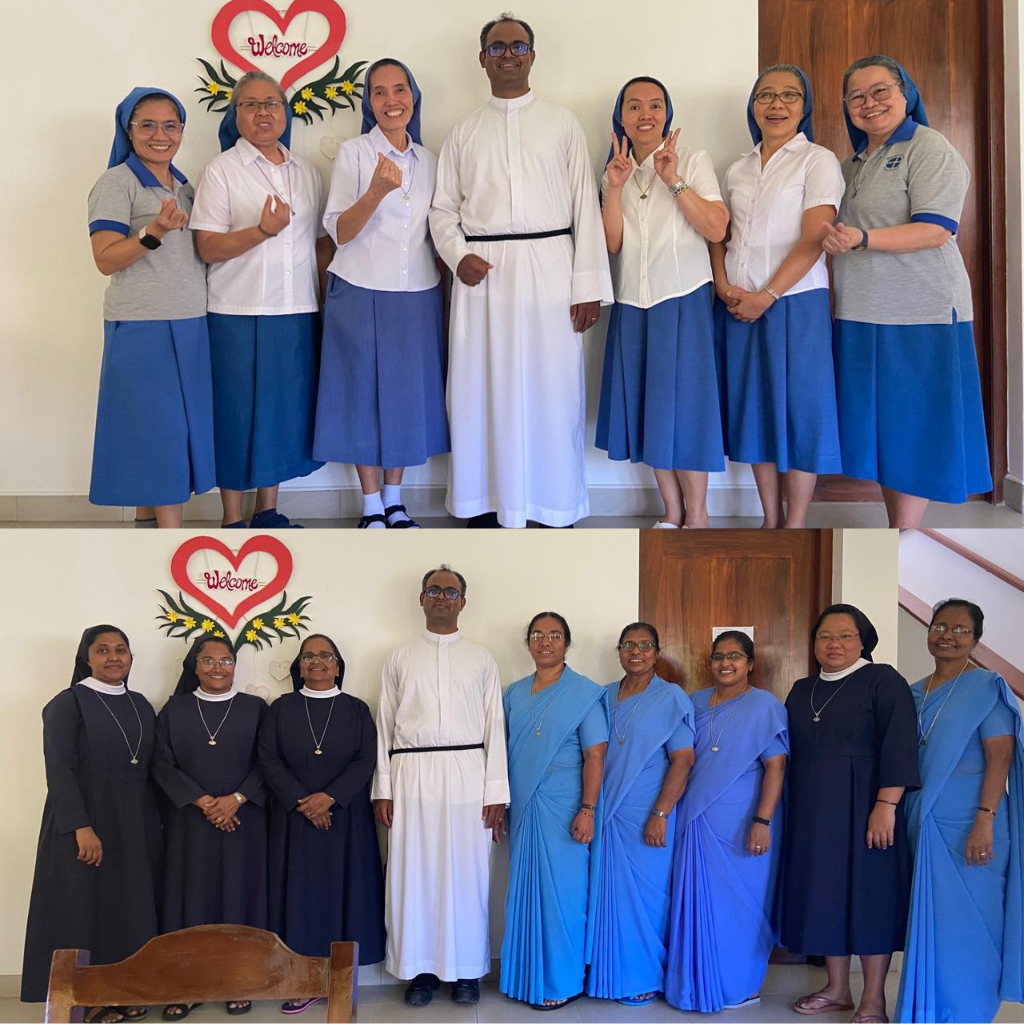
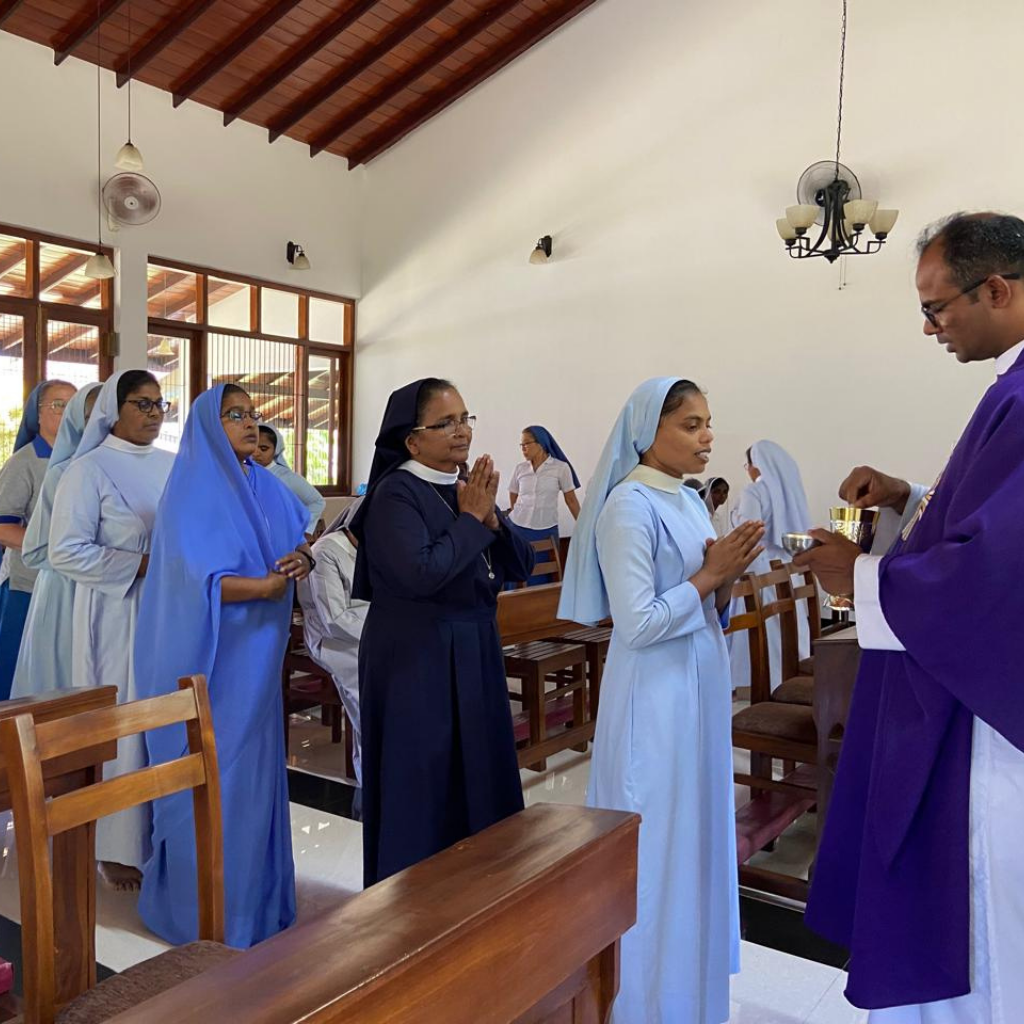
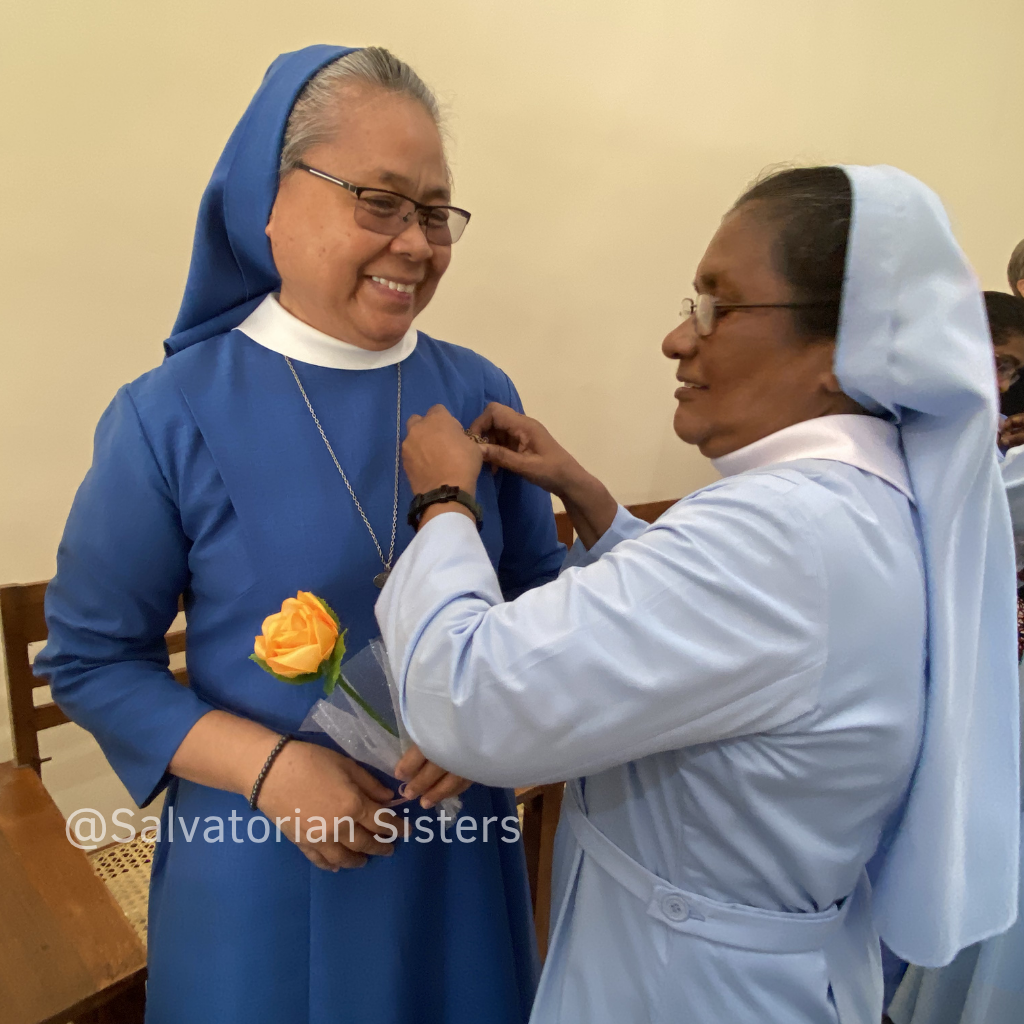
The Jubilee celebration offered a moment of gratitude and reflection, connecting us with our history and inspiring us to continue our mission with joy and fidelity. Meanwhile, the opening of new missions in places like Timor and Berlin has expanded our horizons, encouraging missionary zeal, adaptability, and courage. A special highlight was the celebration of the Eucharist with a Salvatorian Father, who not only presided at Mass but also blessed us. This sacred moment reminded us of the heart of our Salvatorian identity: to draw strength from Christ, the Savior, and to share His love with the world.
Altogether, these shared experiences have fostered personal growth, deepened our communal bonds, and strengthened our dedication to serve with compassion and faith. They remind us that we are part of something larger, a living mission that continues to grow and bear fruit through our collective efforts.
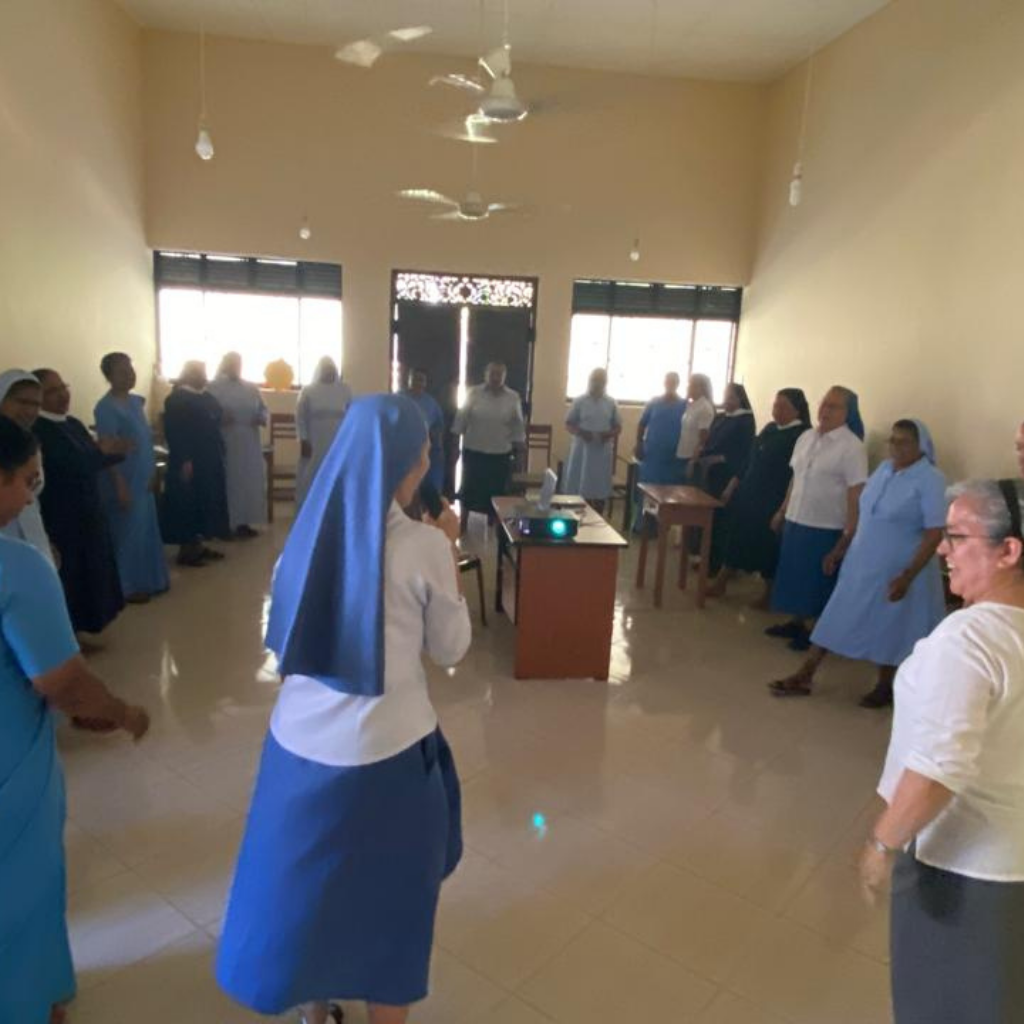
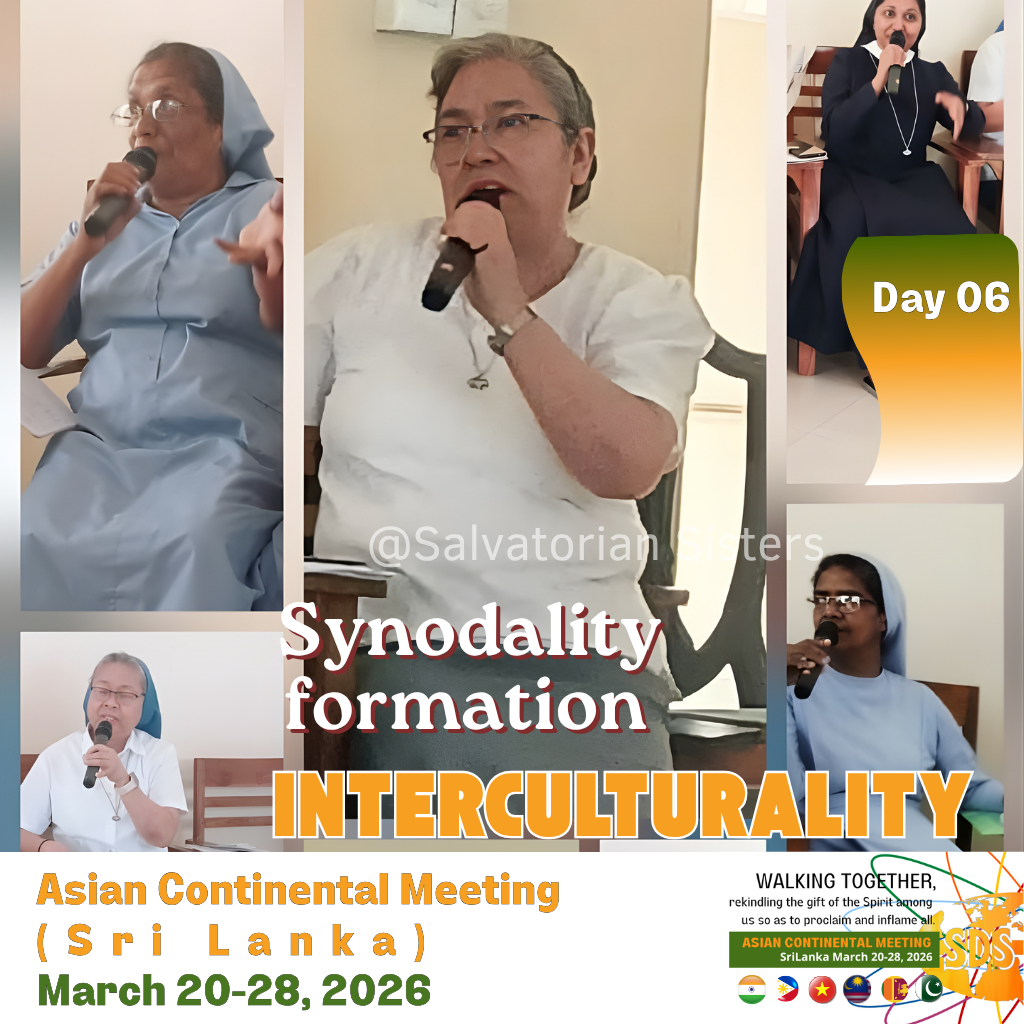
Synodality, interculturality and formation_ Day 06
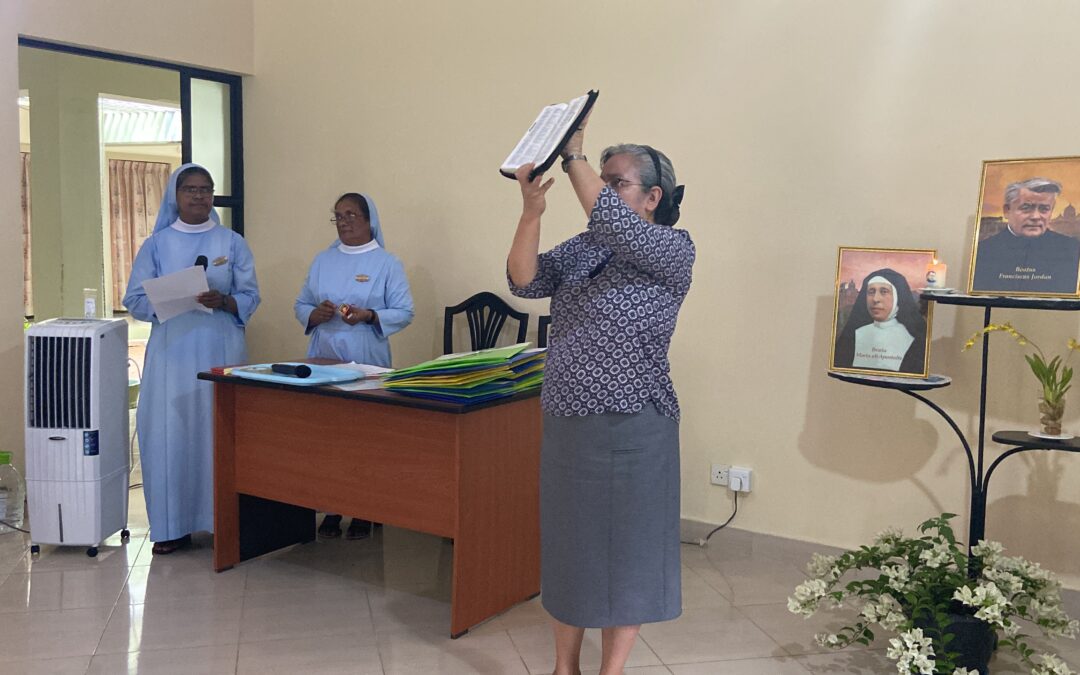
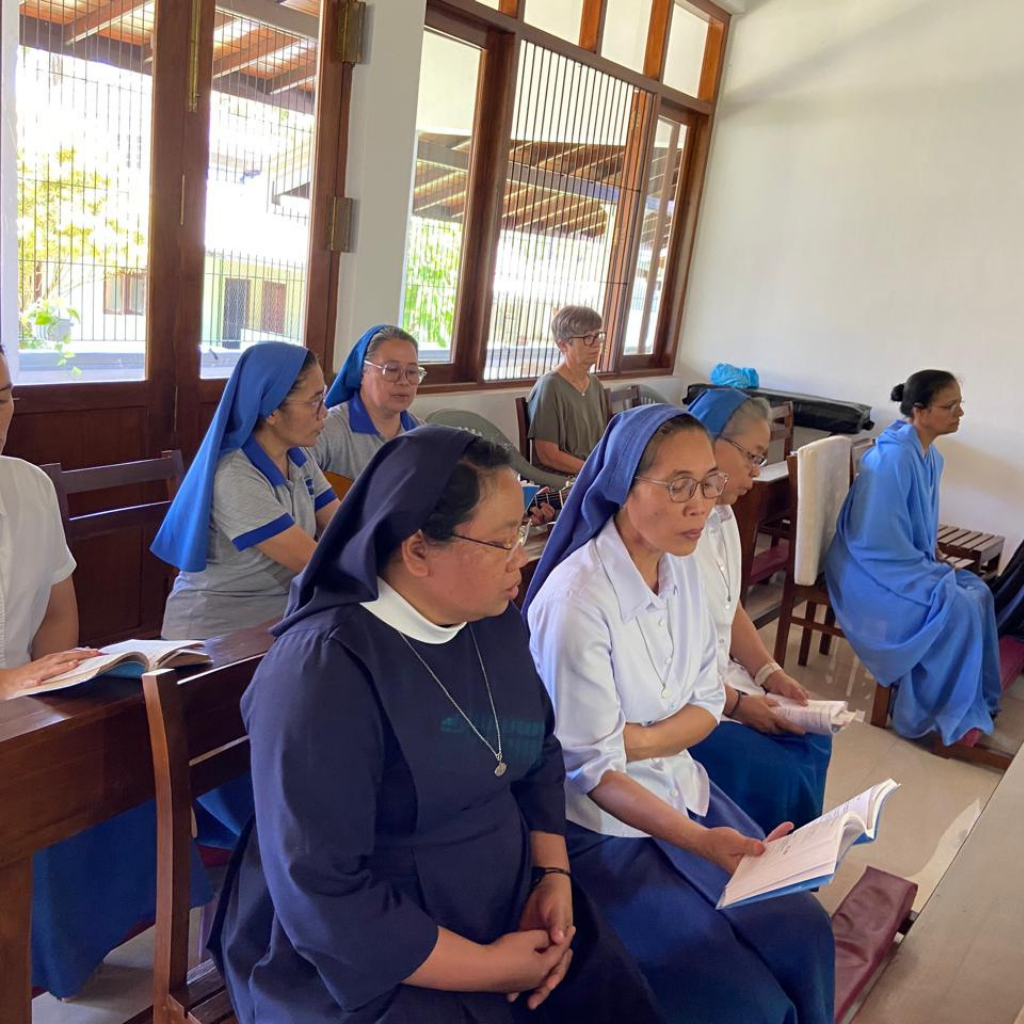
The 6th day was commenced with the inspiration of the day readings, which invited us to focus on “ The will of God as our Mother listened to the voice of the Lord and surrendered herself totally. So the Indian region continually helped us to be opened to the Spirit as we were ready to get into the day session.
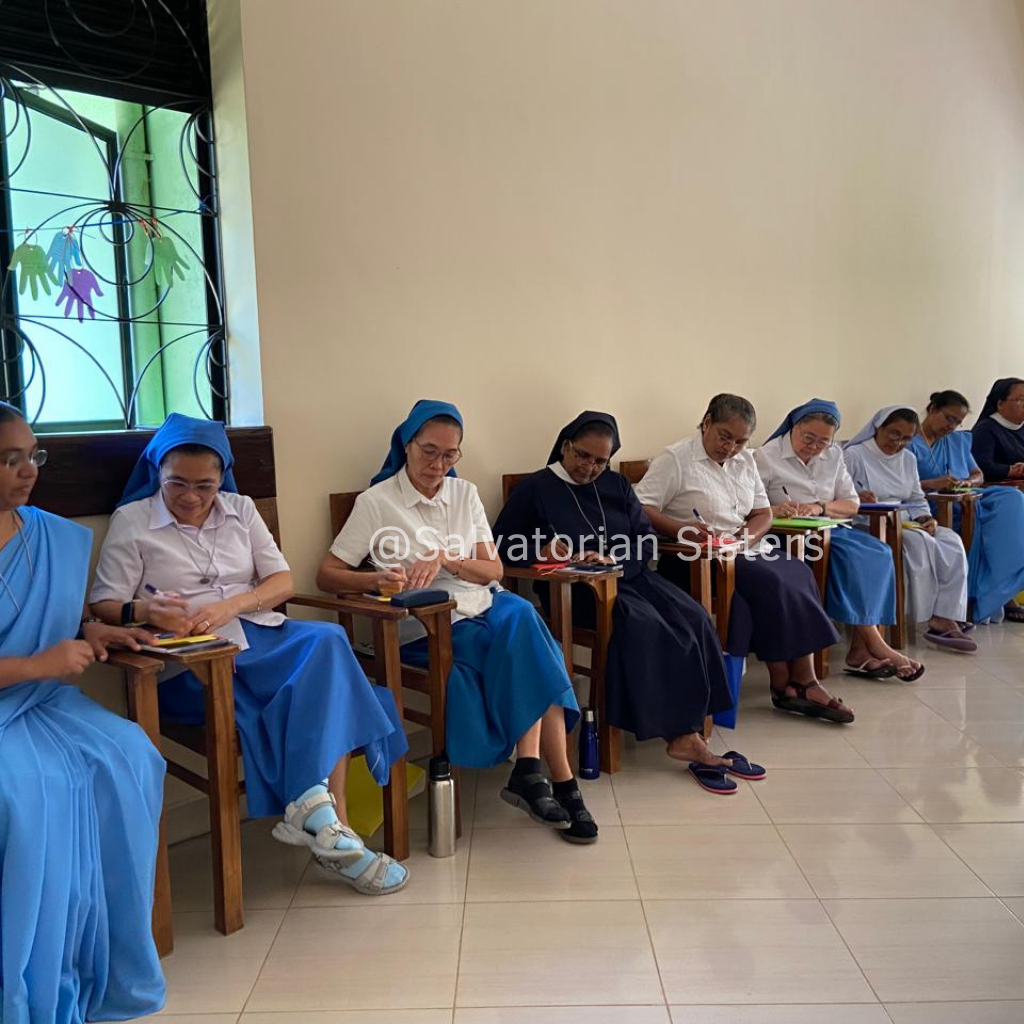
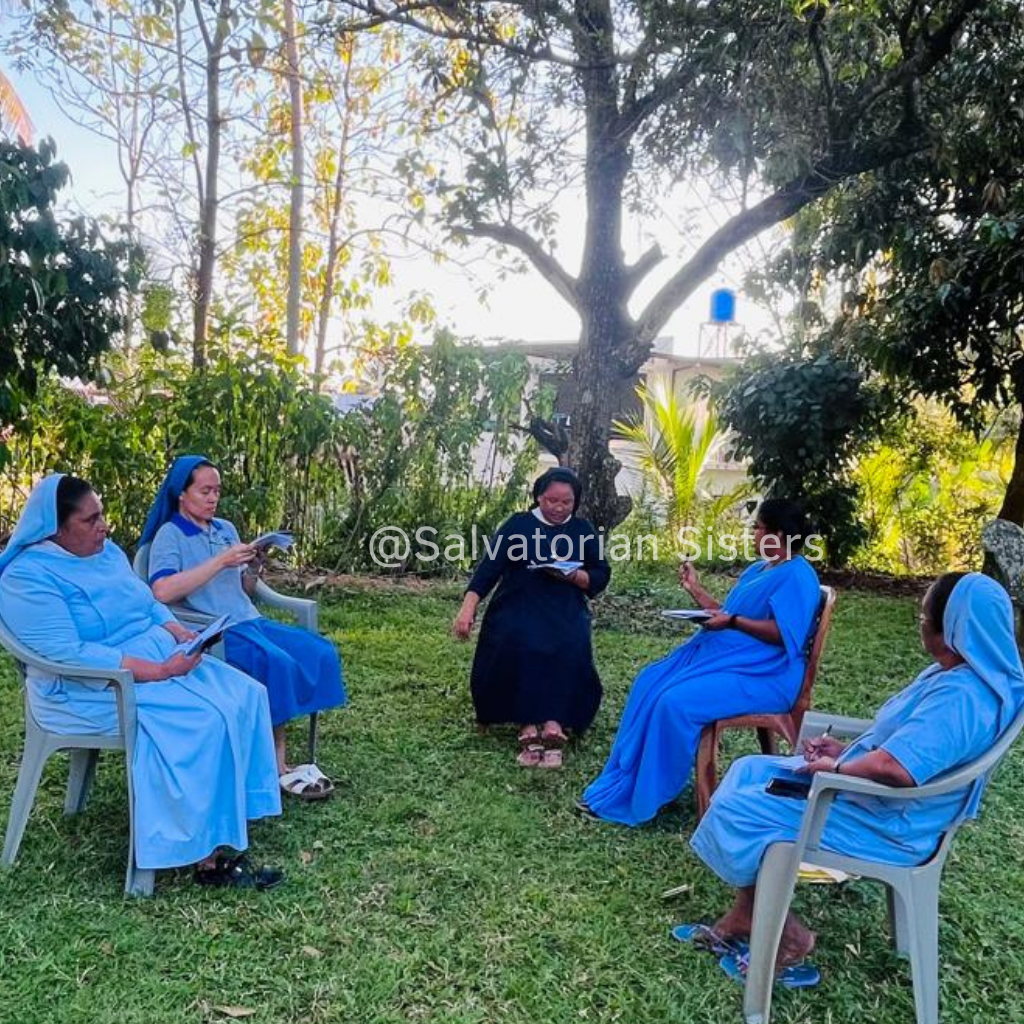
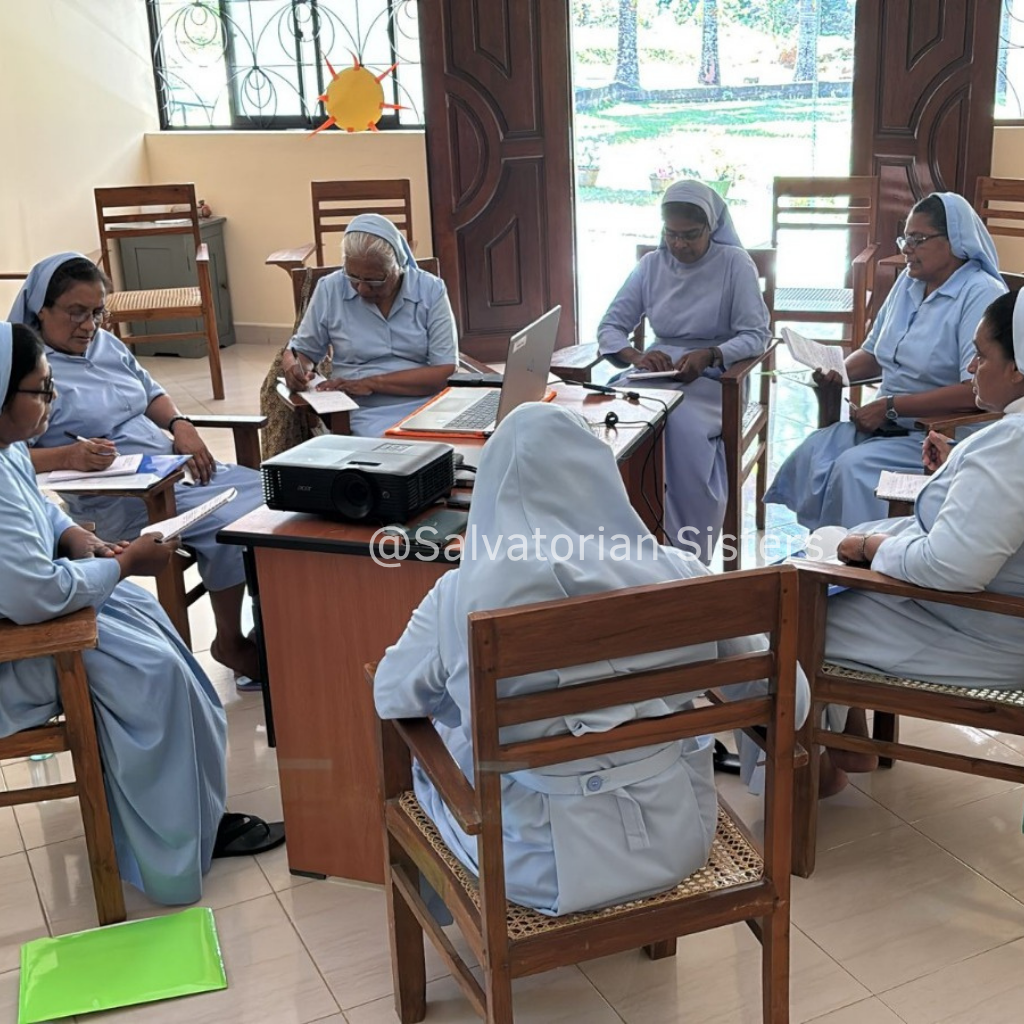
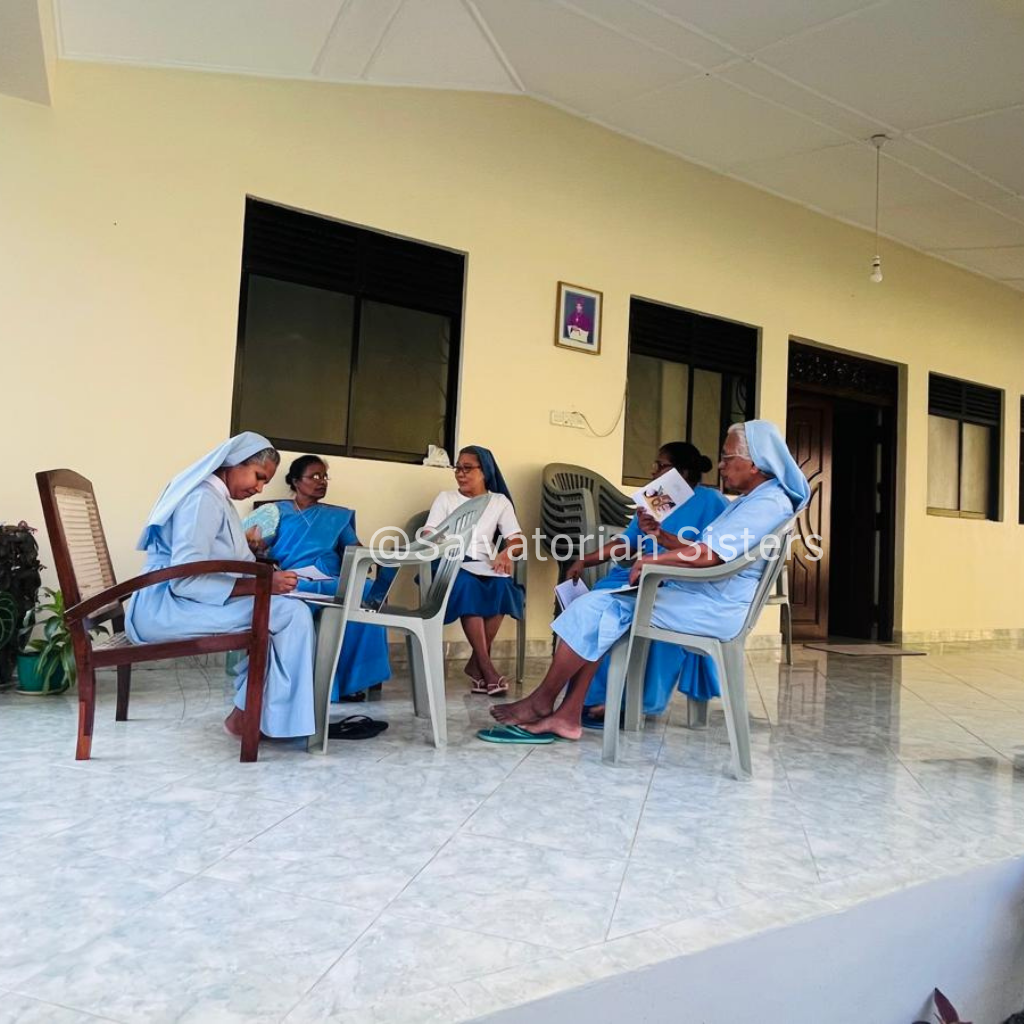
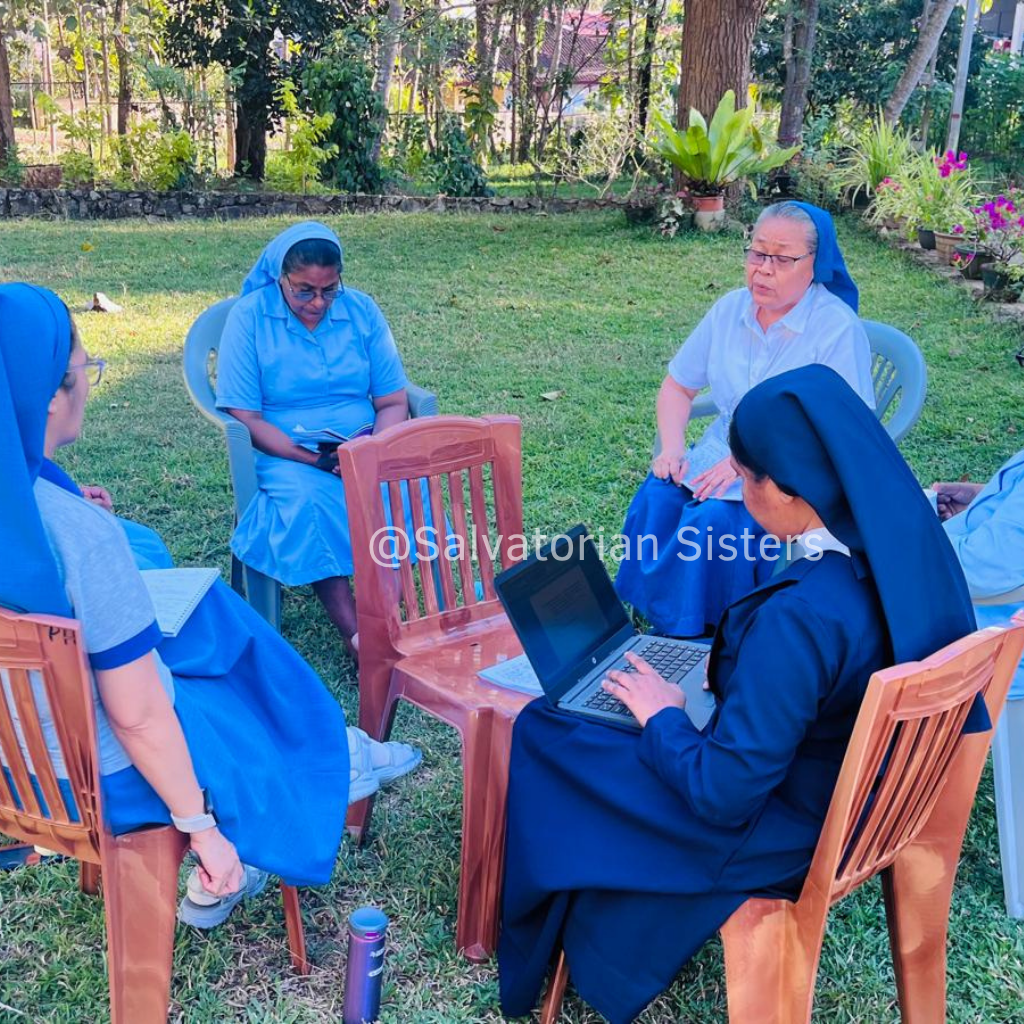
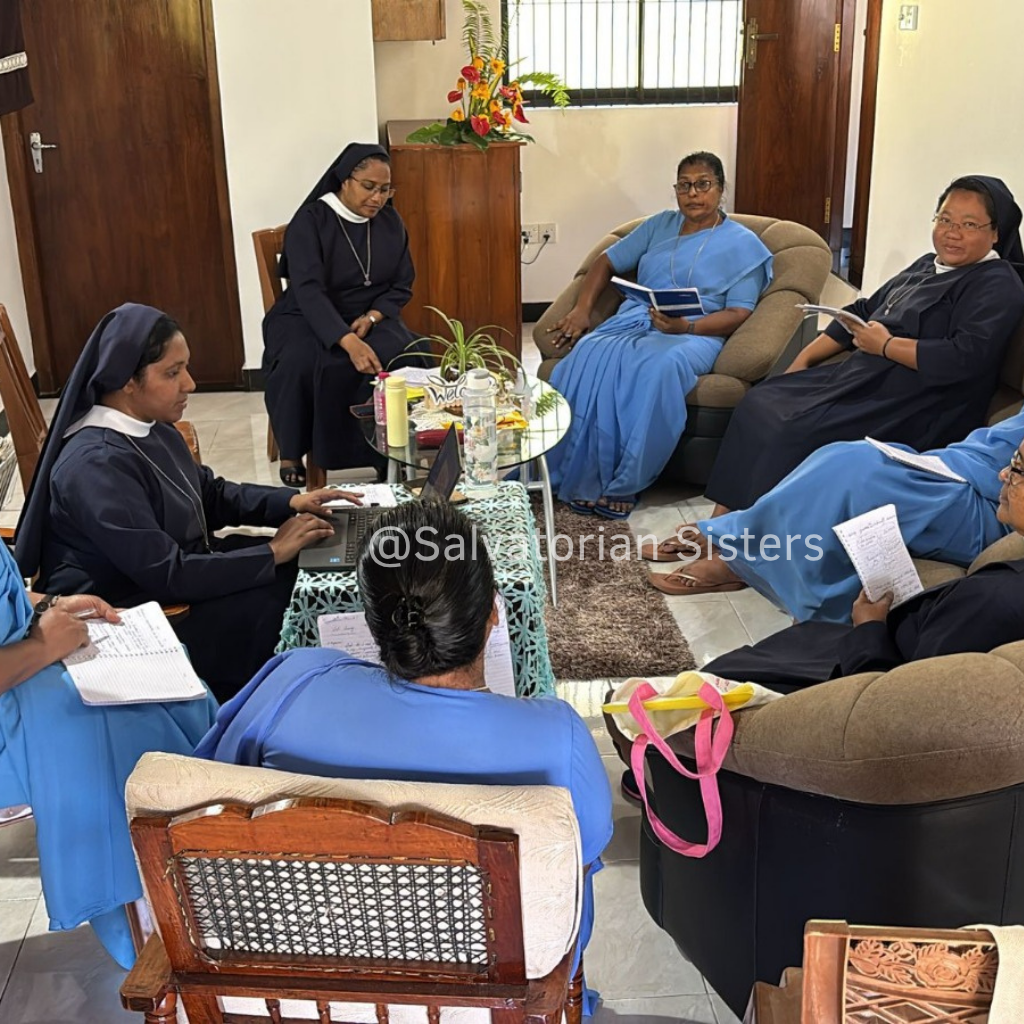
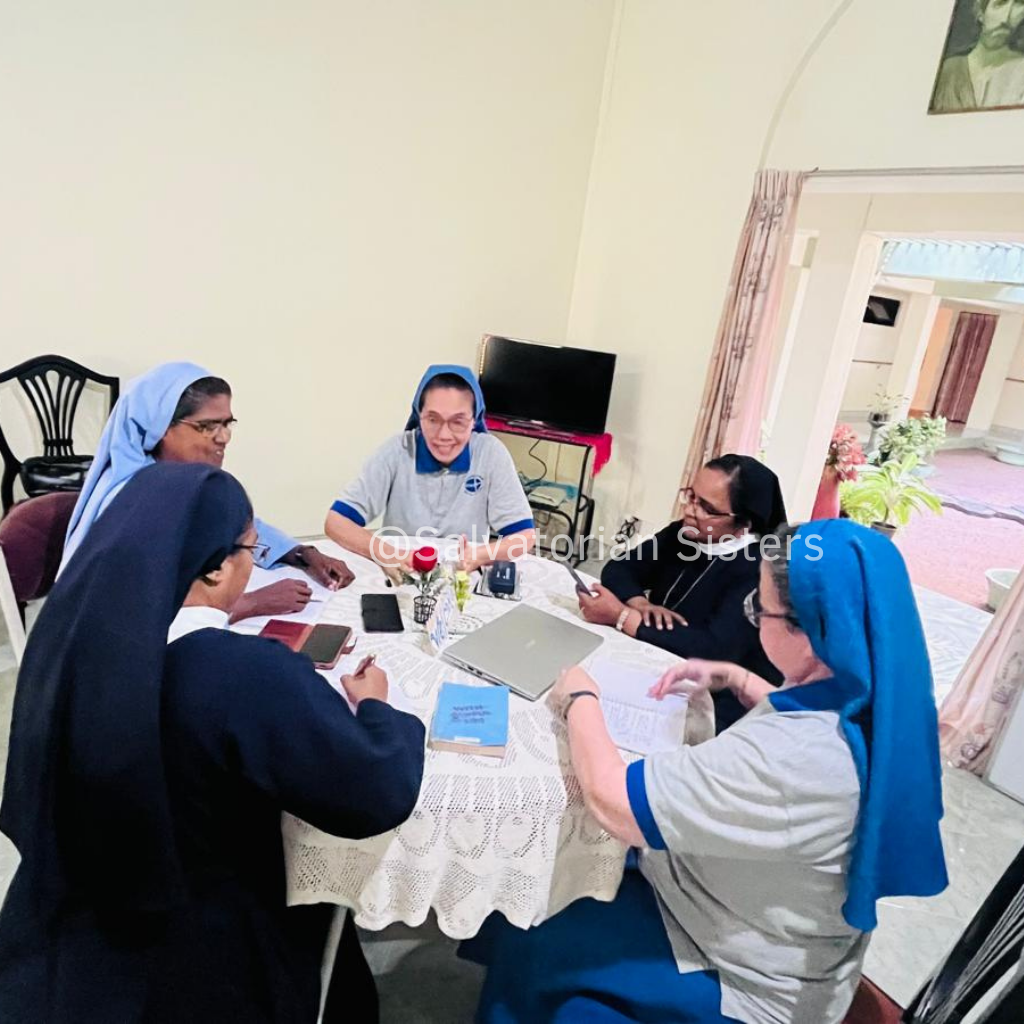
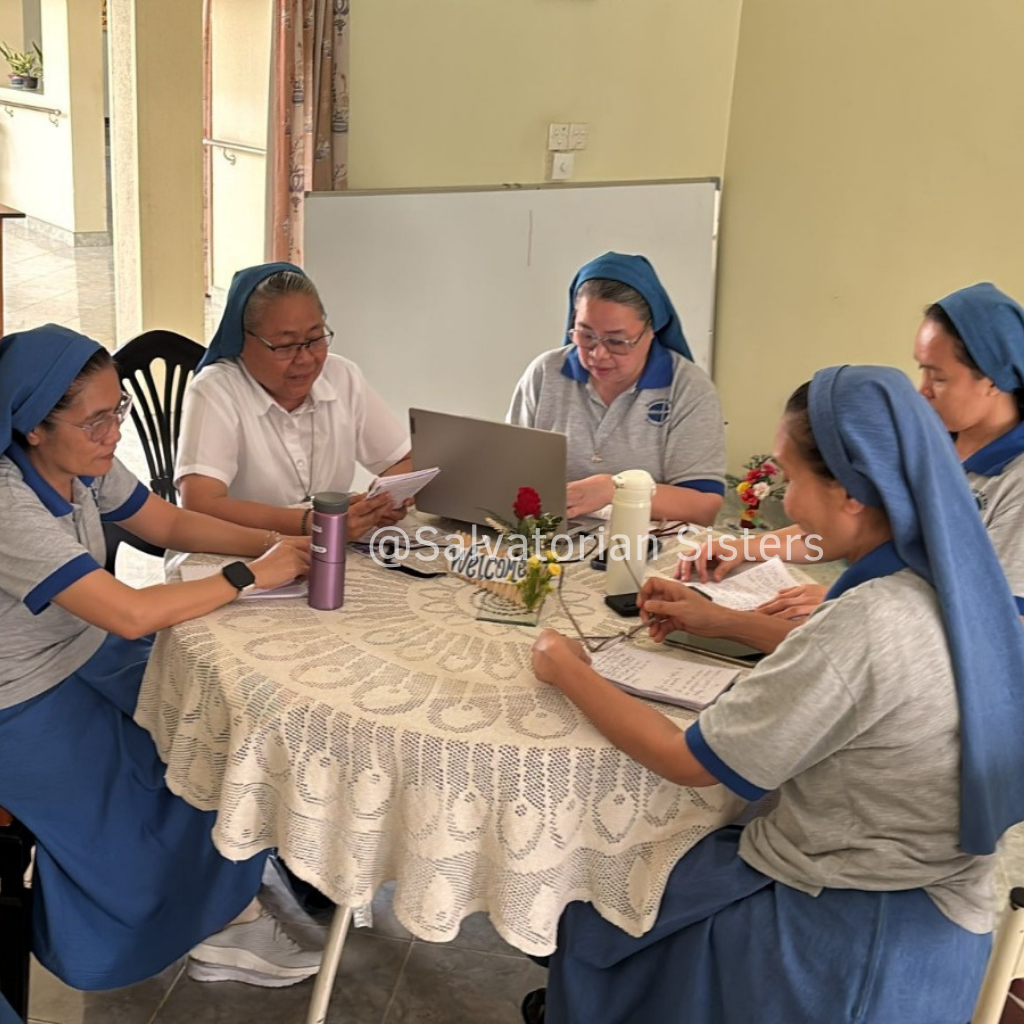
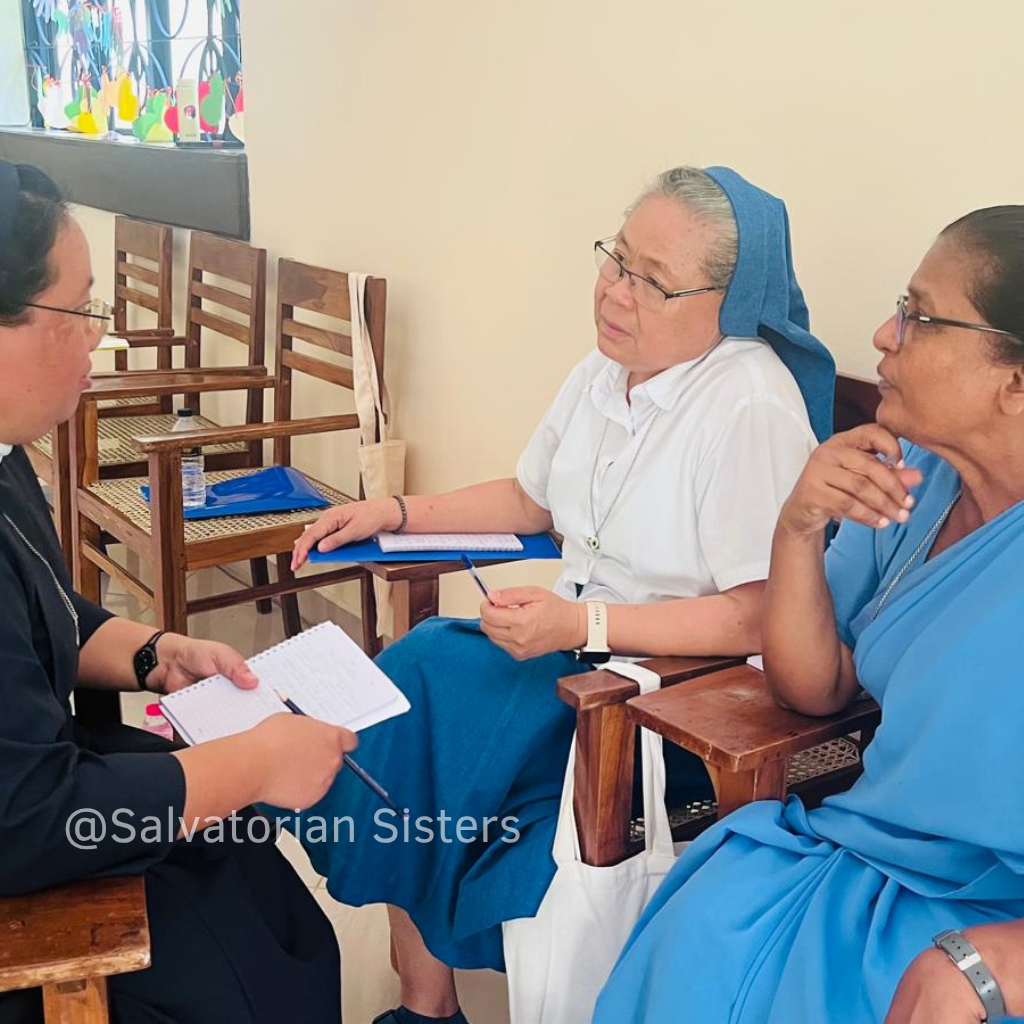
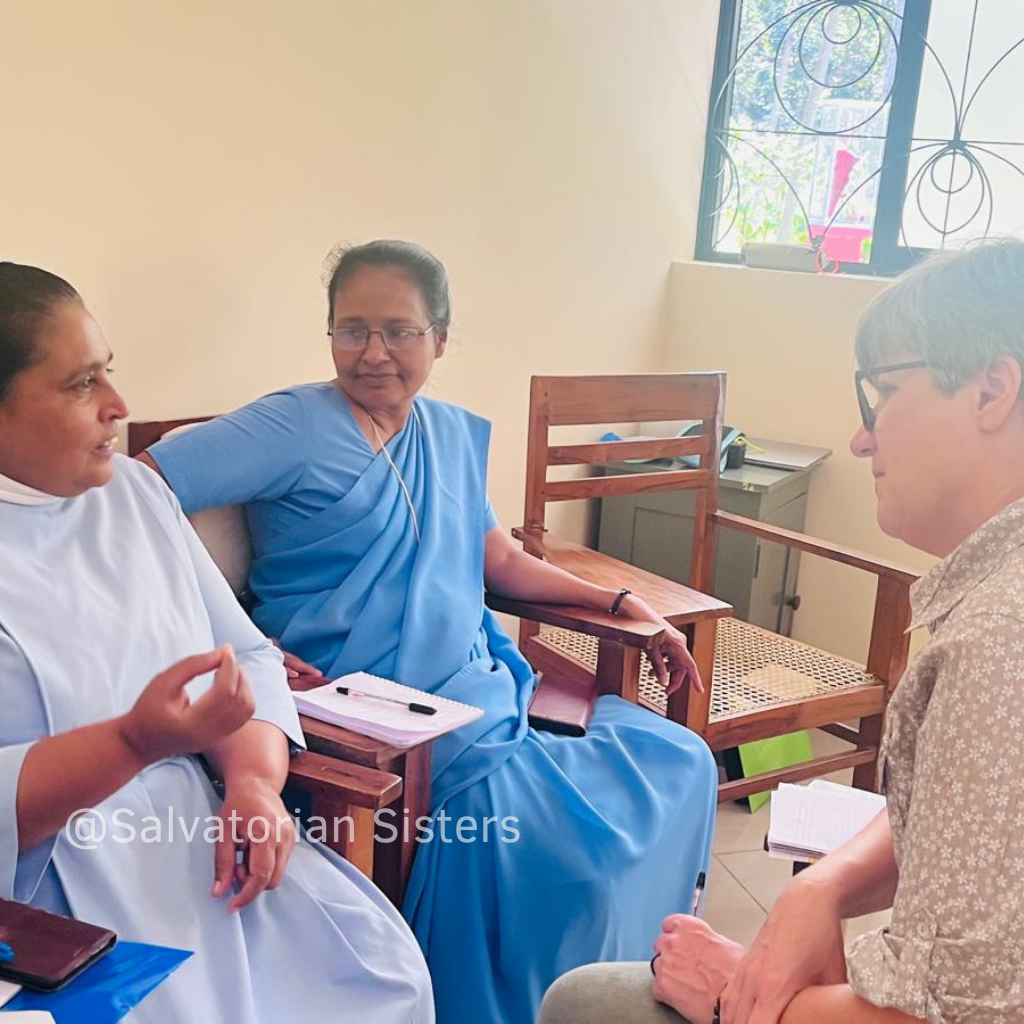
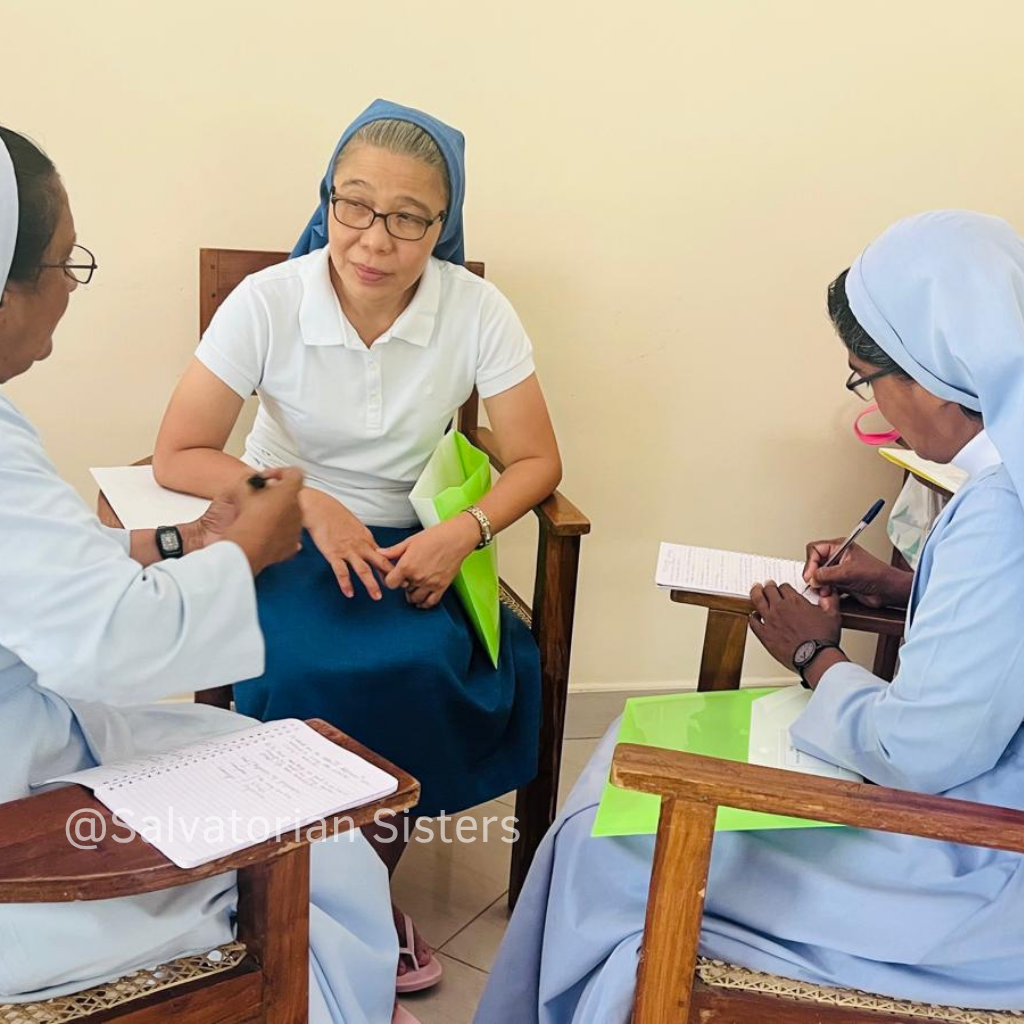
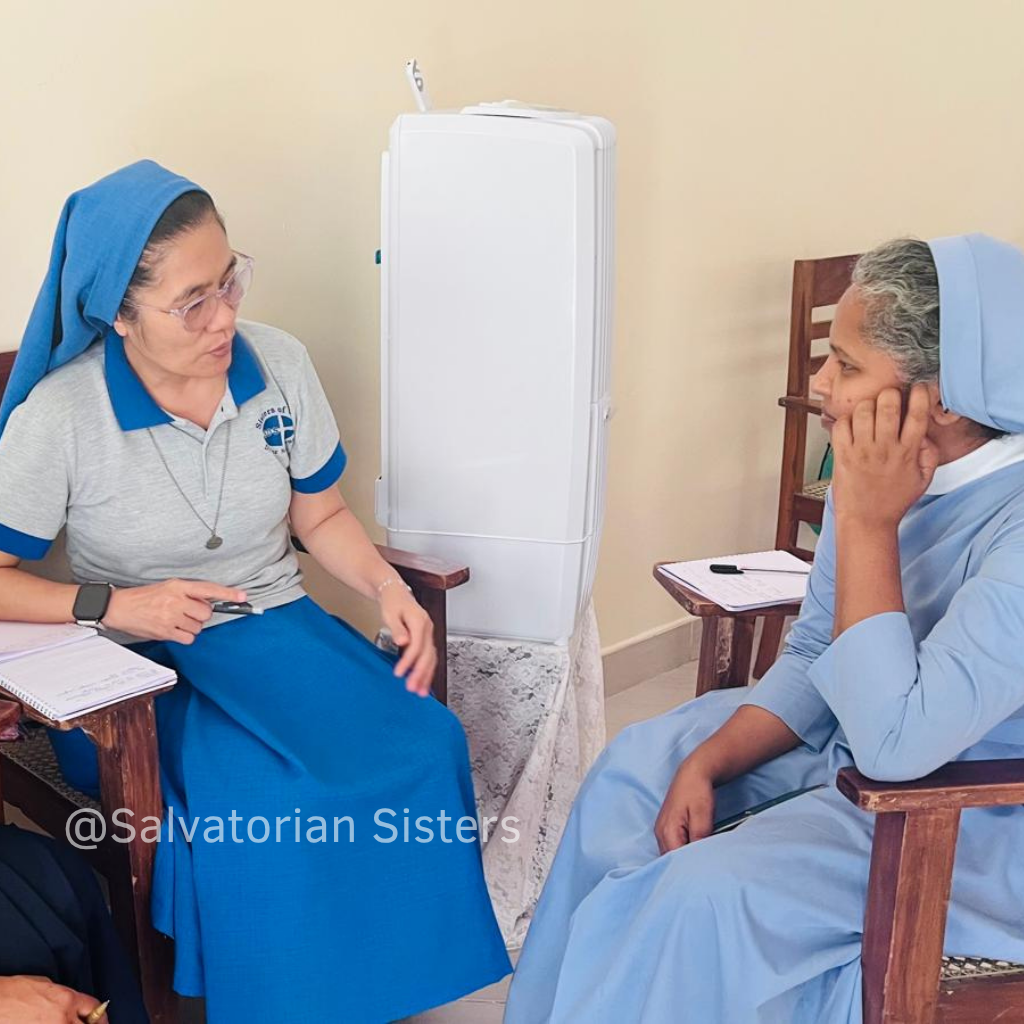
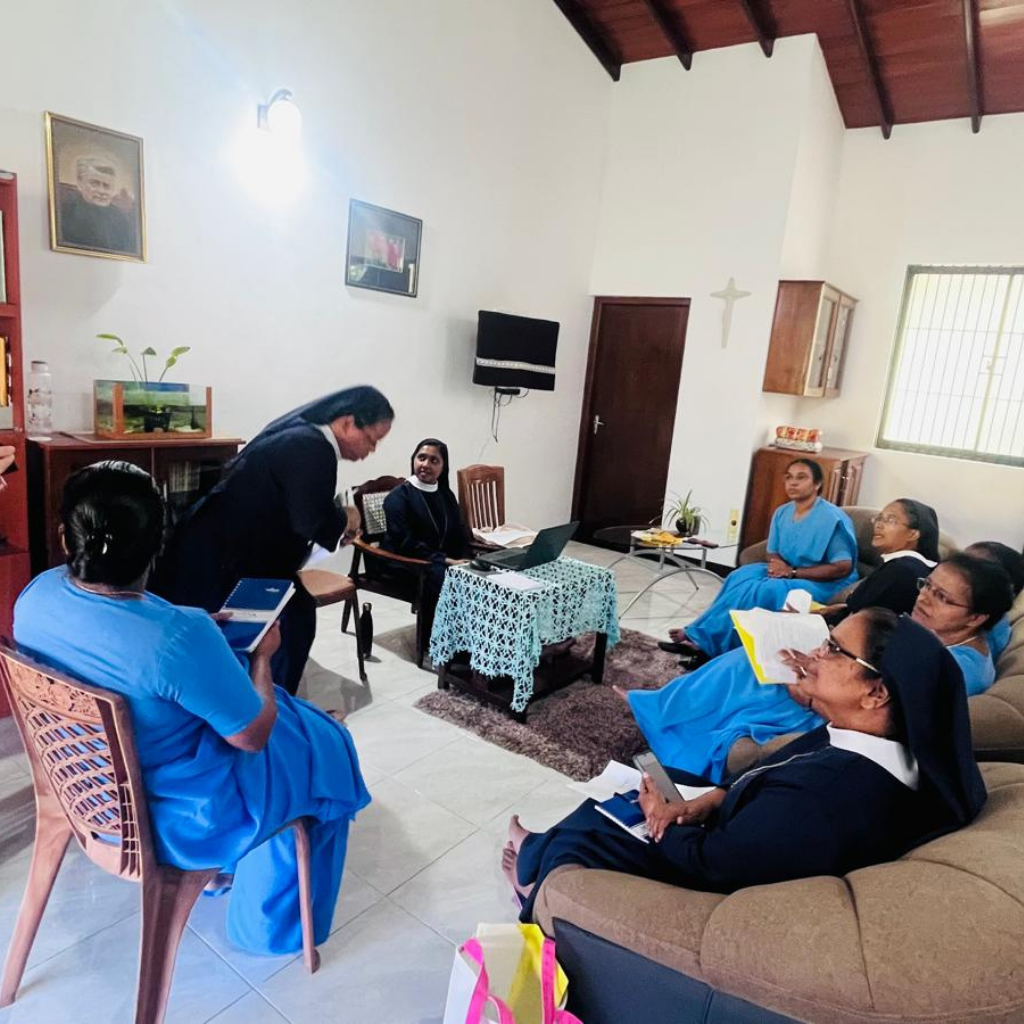
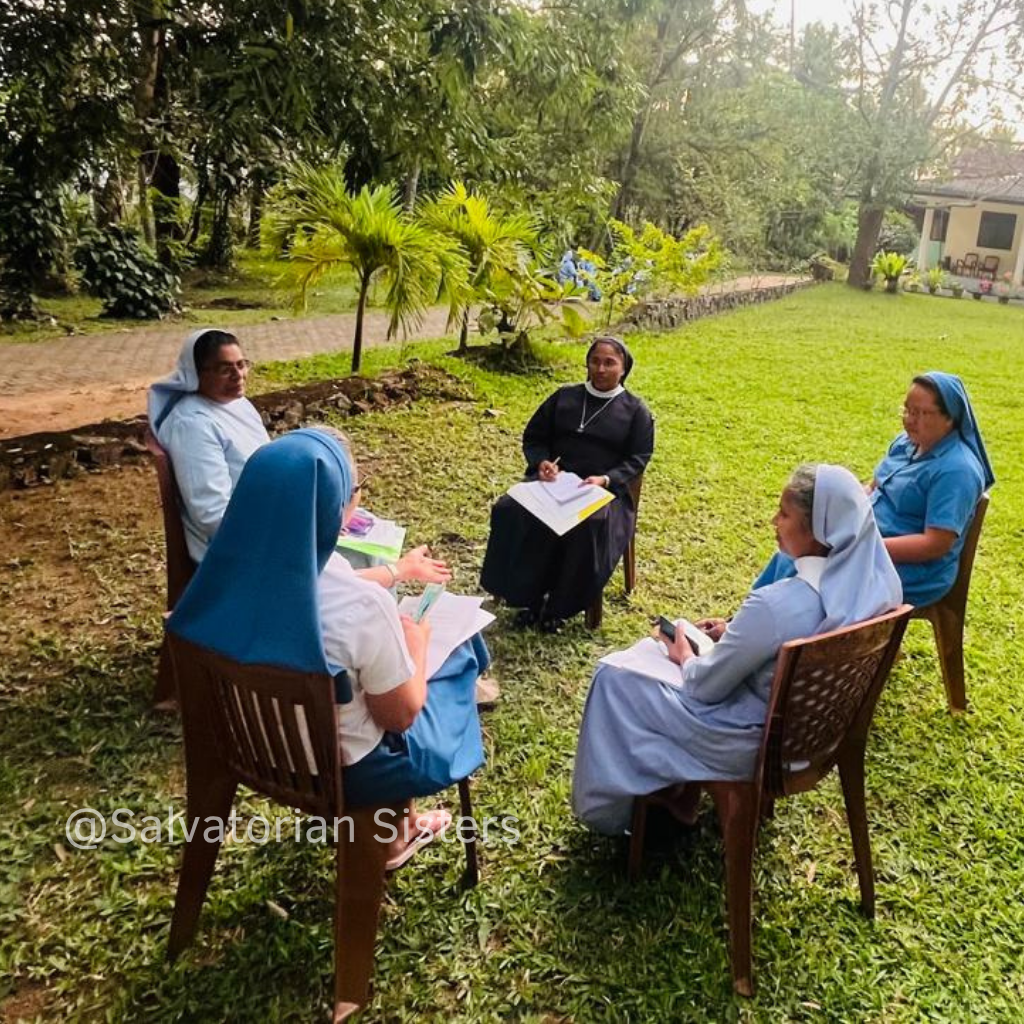
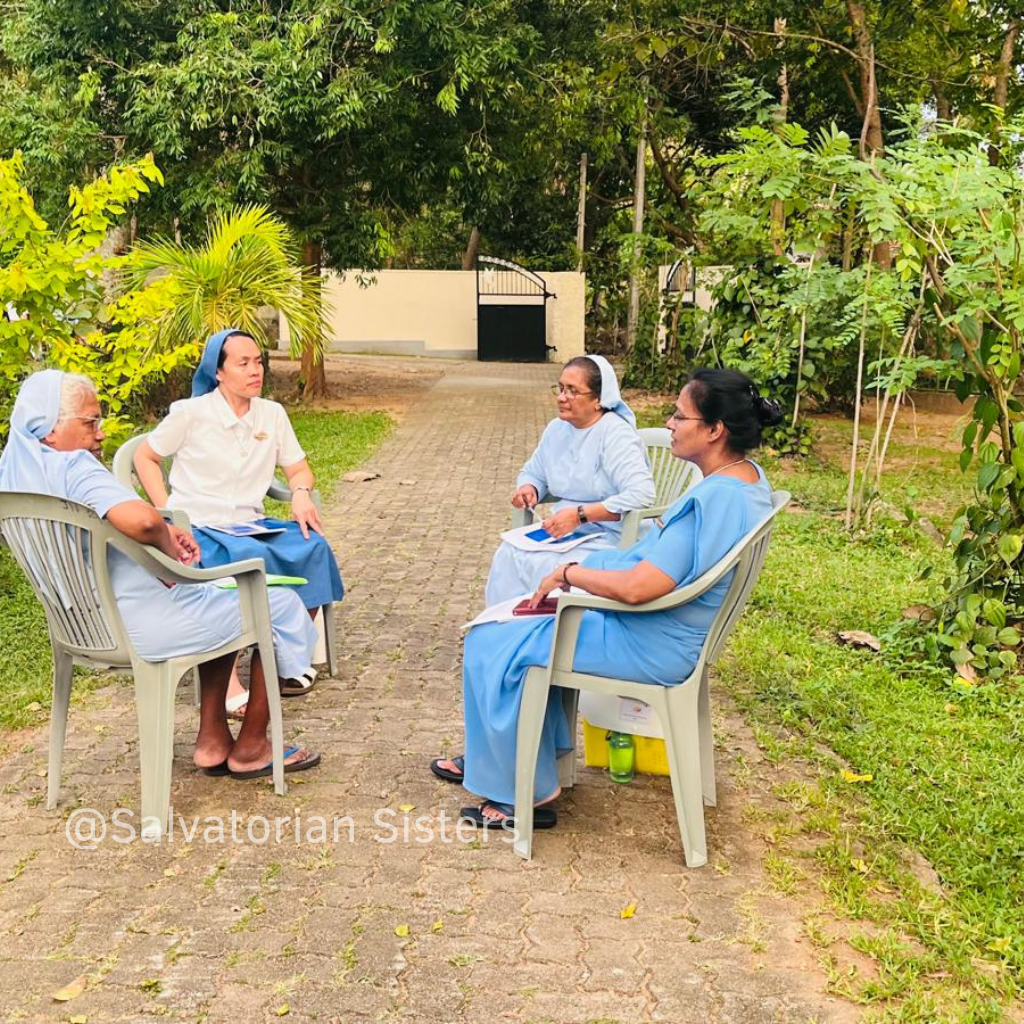
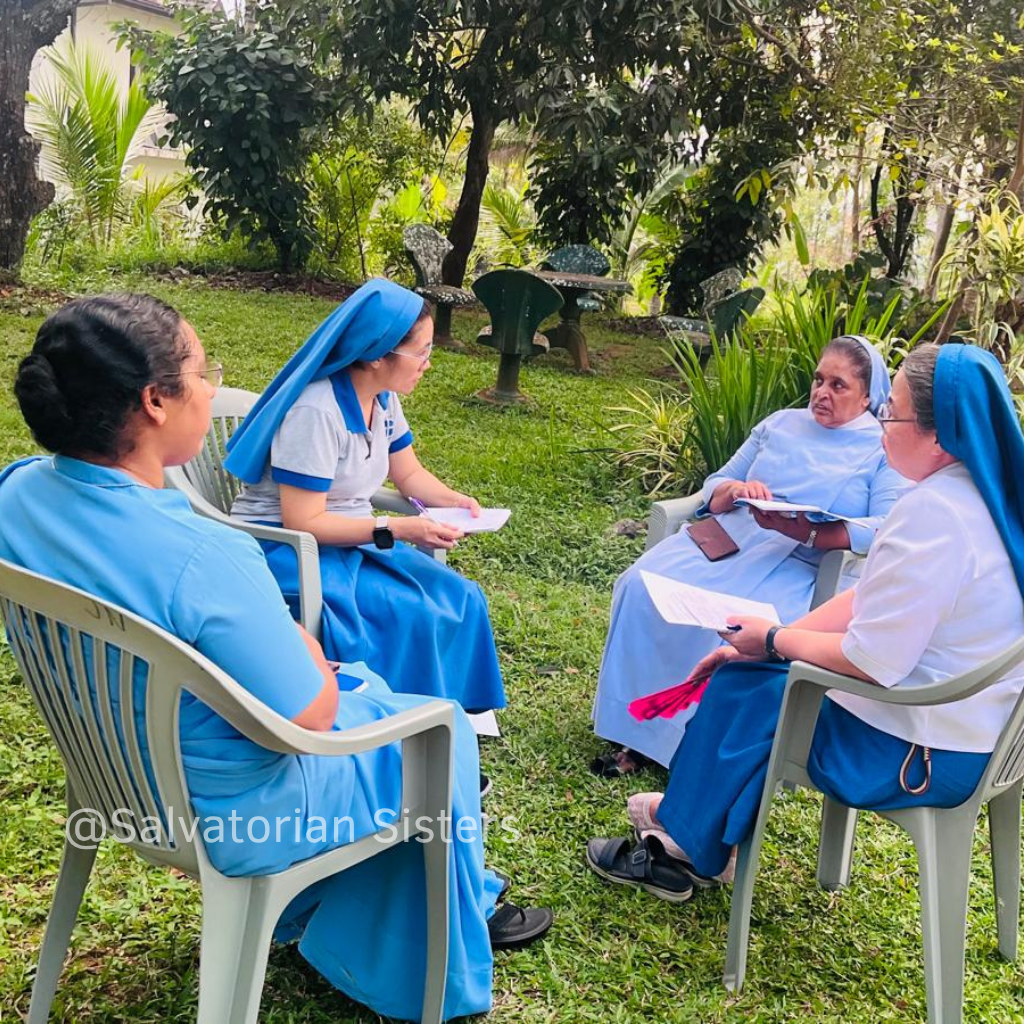
The day’s reflection repeatedly allowed us to focus on Synodality, interculturality and formation. We were given time seriously to reflect personally and as a unit. It was very good opportunity to come out with our personal changes as well as a unit’s changes. In the afternoon we were given an opportunity to reflect on our common projects which have been taken during our Asian continental meeting in Zoom 2021.
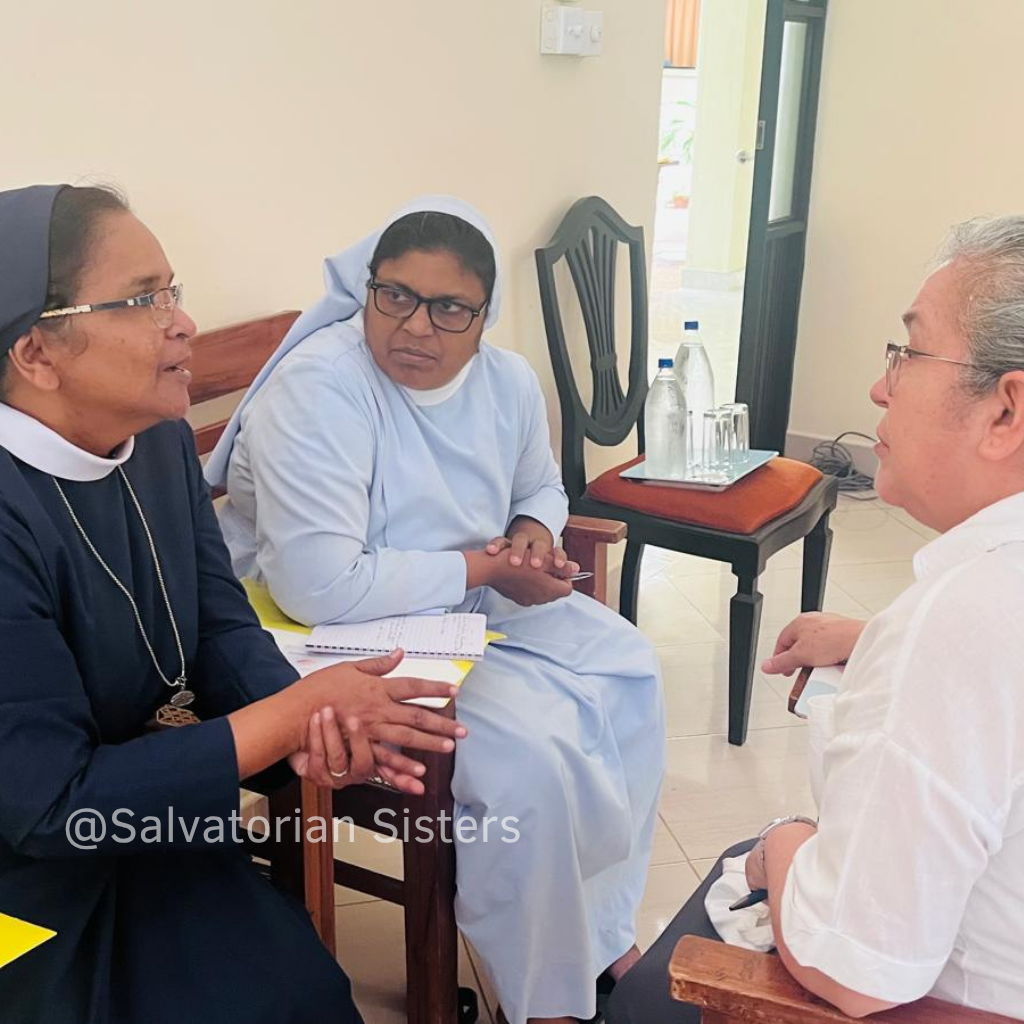
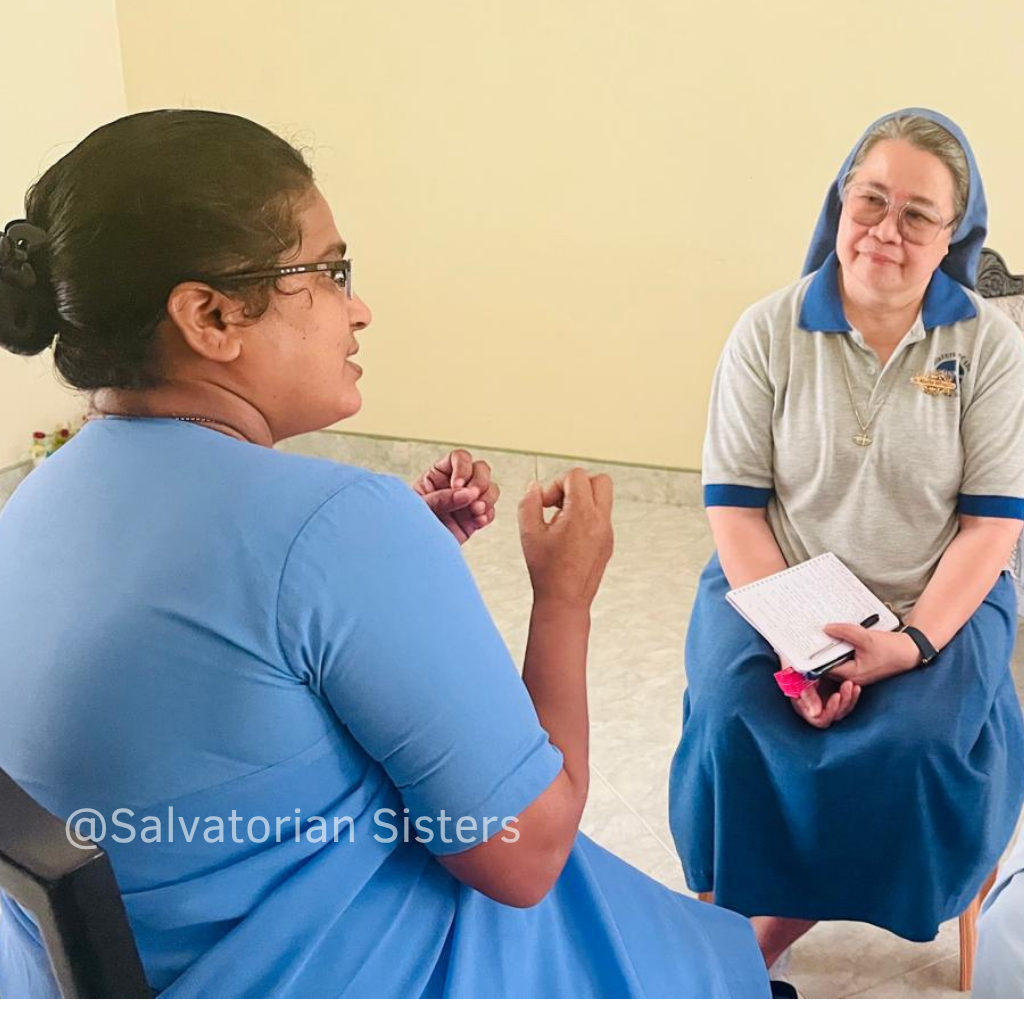
There was time for open sharing and every one freely shared their inspirations and experiences of the common projects. Finally we were given some questions to evaluate our common projects. Do we need these project? Why do we need them? What are the challenges that we face? What is necessary to change or emerge as new? The day session ended with a short prayer.
SDS turning periphery into a Sanctity of dignity_Day 05
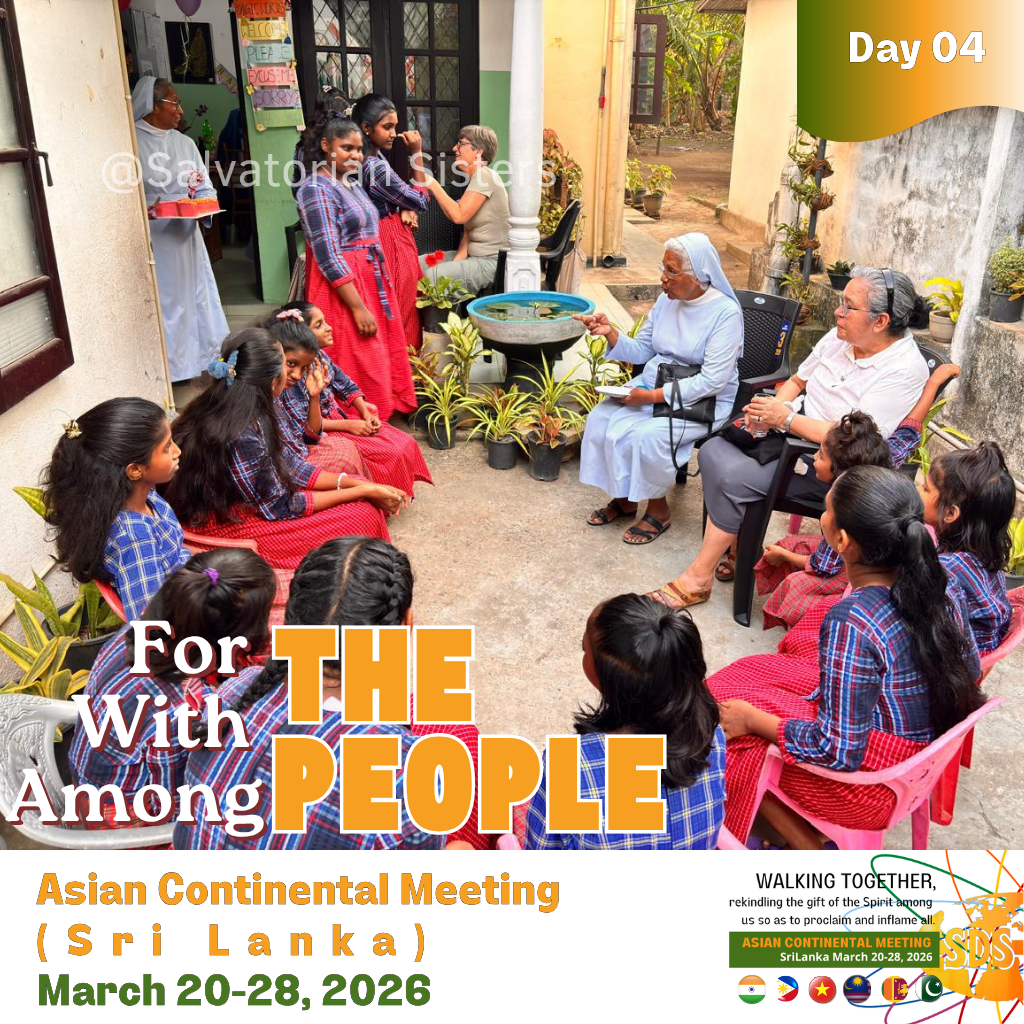
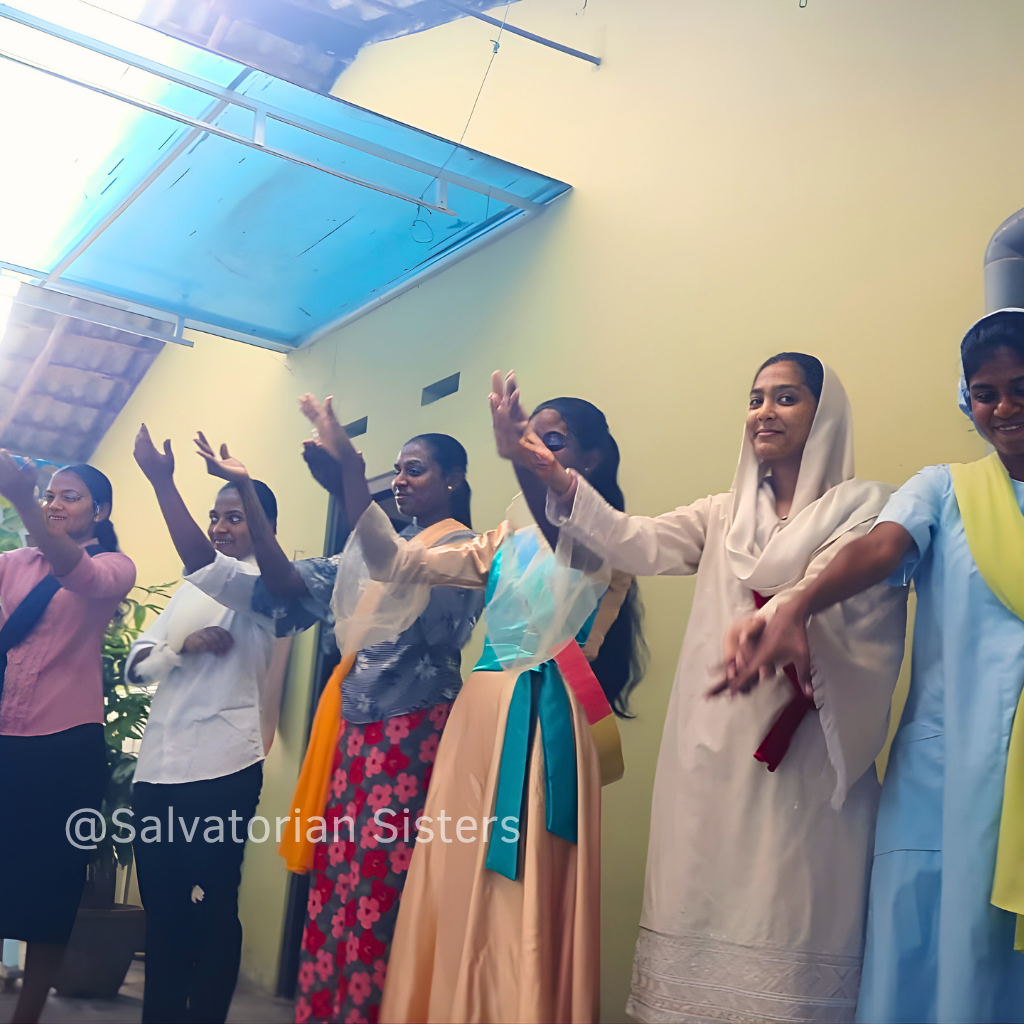
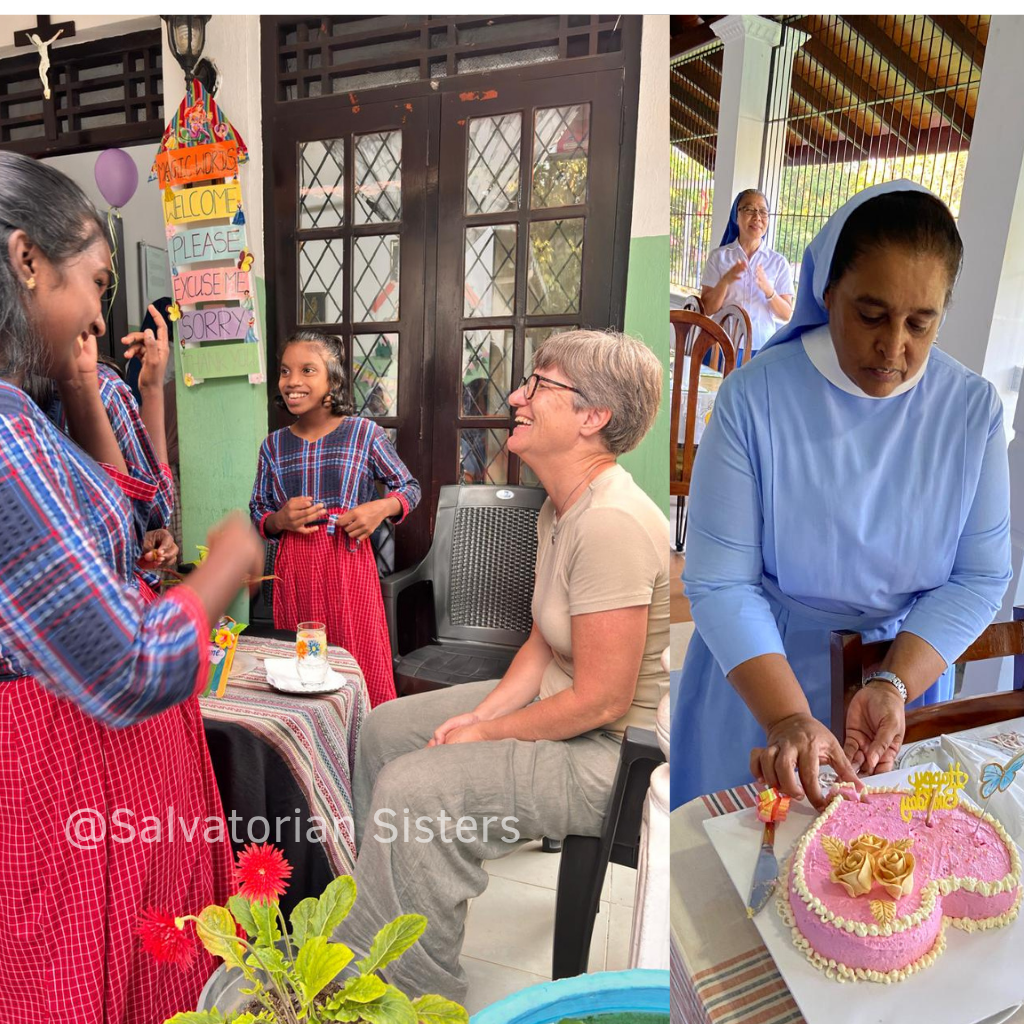
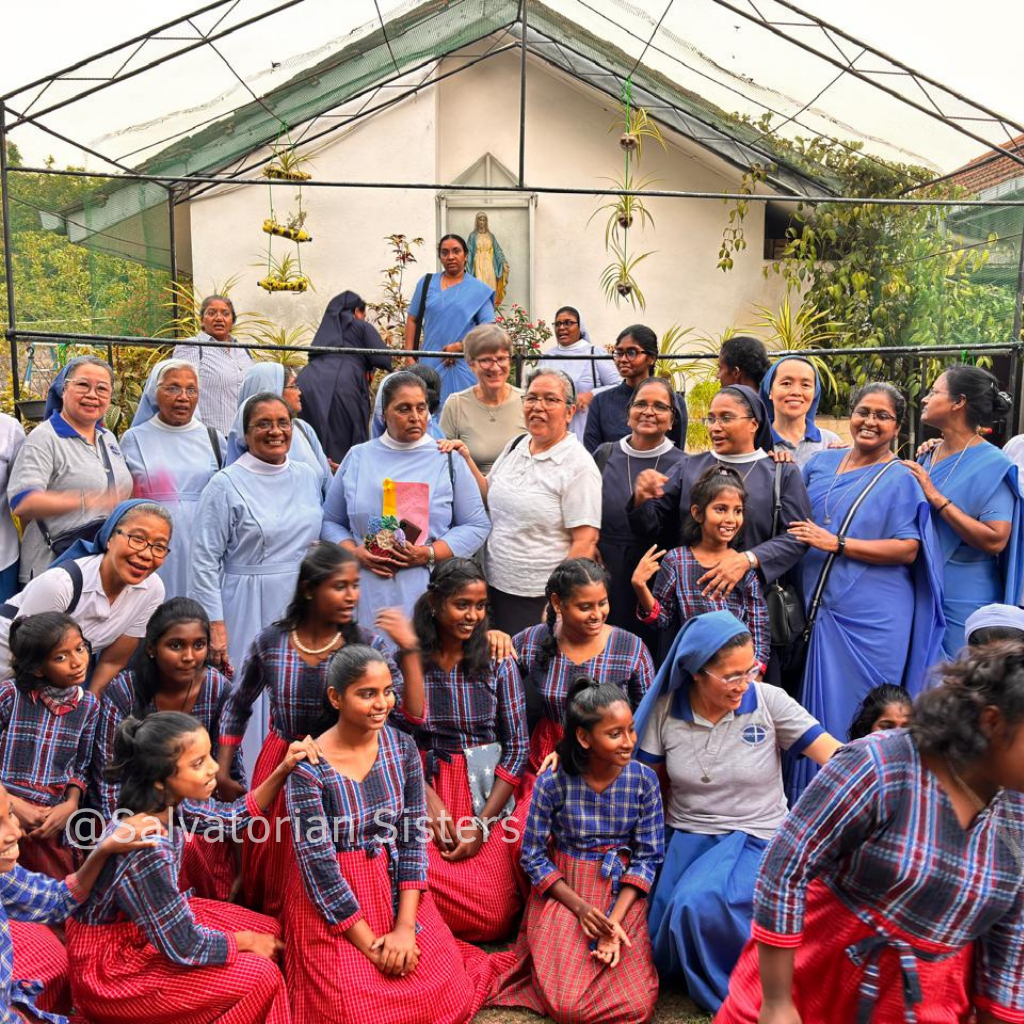
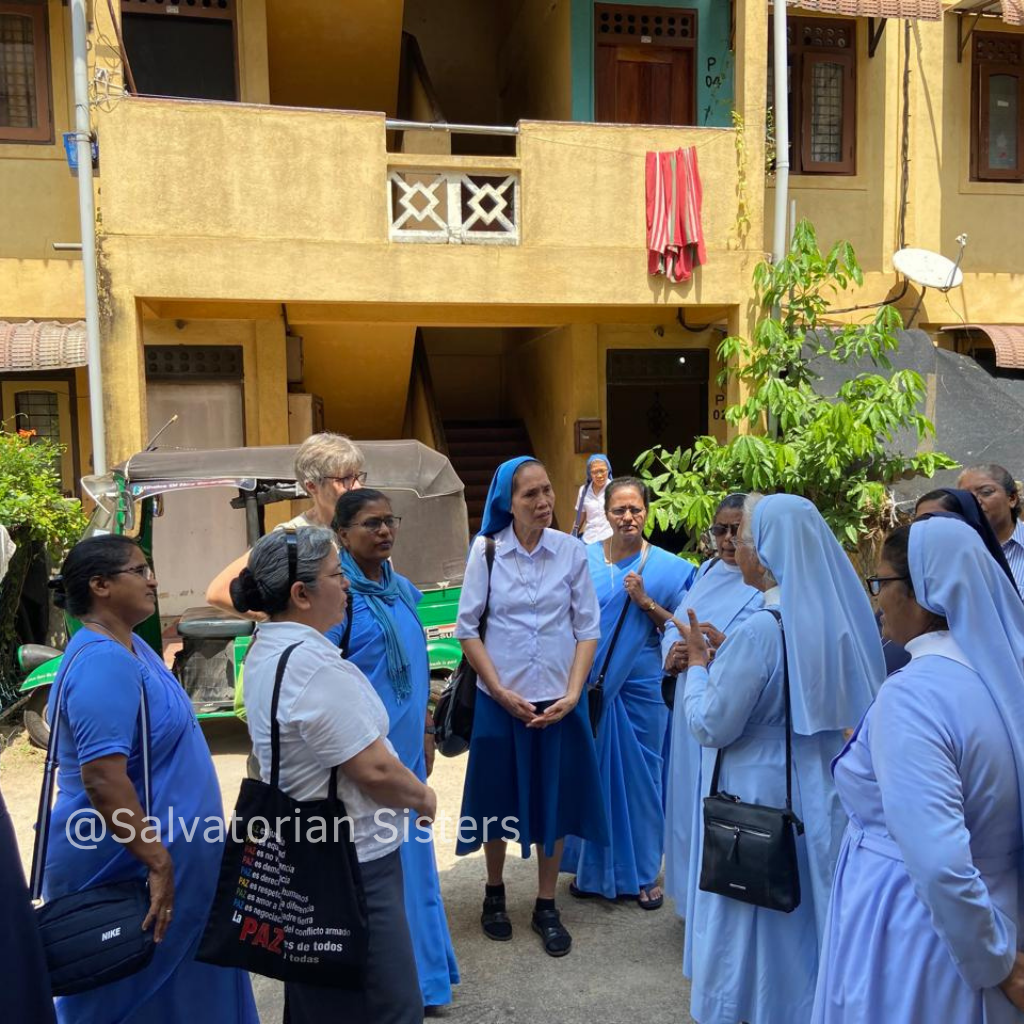
Our day began at the Altar, where the Eucharist fueled our hearts for a journey of joy and sisterhood. We offered our prayers in gratitude for the gift of life given to Sr. Princy on her birthday, seeking the Lord’s blessing as we set out to witness the mission of our Salvatorian Sisters in the heart of Sri Lanka (Bosco Pura, Children of Joy Home Mabole and Formation House at Kurana. At Bosco Pura, we stepped into a world shaped by the sea. Living in the heart of the community, our Sisters here have exchanged the comfort of the convent in a simple apartment among the people they serve. By sharing the daily rhythm of the fishing families, they provide more than just education and meals; they offer a constant, healing presence to those facing social and economic hardships. Their life is a living witness to the Salvatorian mission, proving that the greatest way to preach the Gospel is to walk hand-in-hand with the marginalized every single day. The celebration continued at our Formation House, where we shared a grand lunch and were moved by the vibrant, colorful programs performed by our postulants and candidates—the bright future of our mission. We concluded the day at the Children’s Home, where a beautiful traditional welcome and the children’s laughter reminded us of the very heart of our calling. Thank you, Lord, for your loving accompaniment throughout this journey. We return inspired by our Sisters who transform the “periphery” into a sanctuary of dignity, reminding us all that to follow the Savior is to walk together in love.
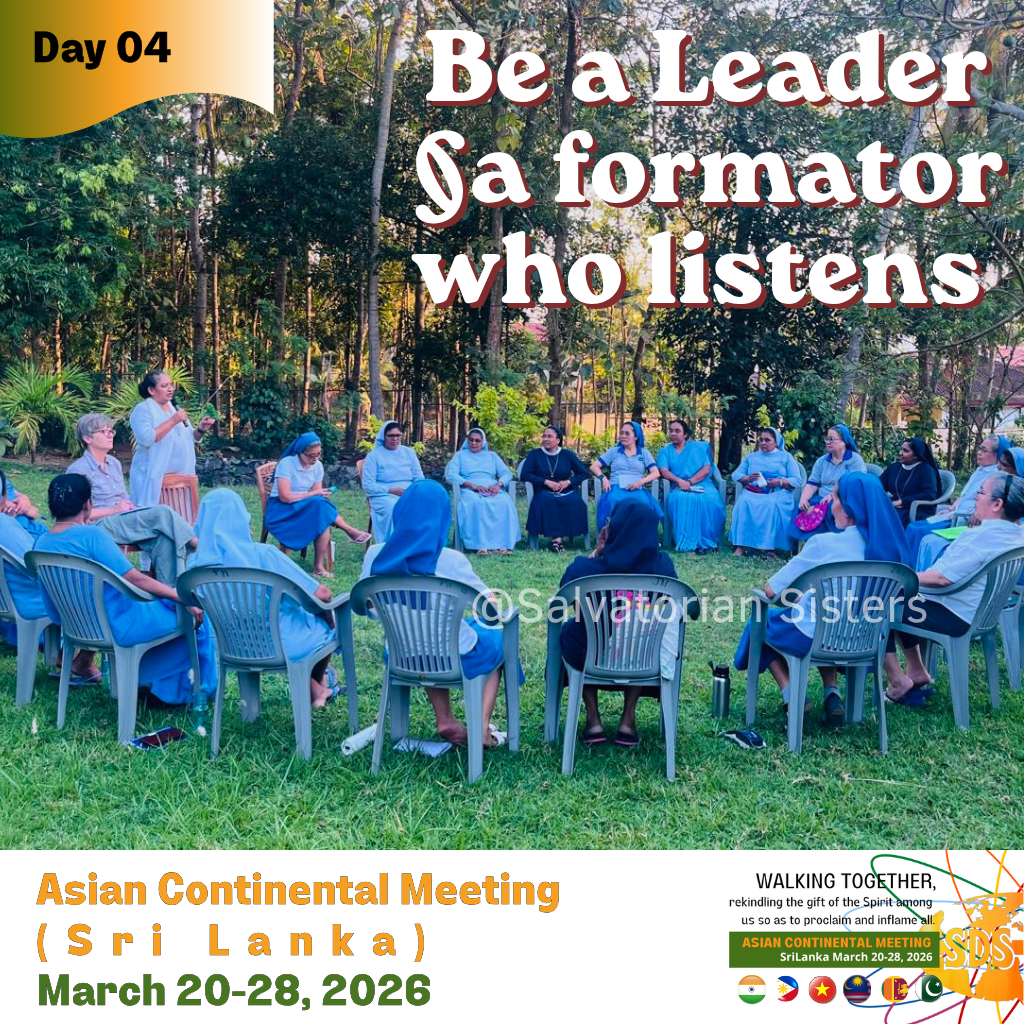
Be a leader and a formator who listens.”_Day 04
The day began with the Holy Mass, inviting us to move beyond rules and regulations and to grow in compassion and mercy. The sessions commenced with hope and expectation, beginning with a meaningful prayer led by the Philippines Region, invoking the Holy Spirit upon all the activities of the day.
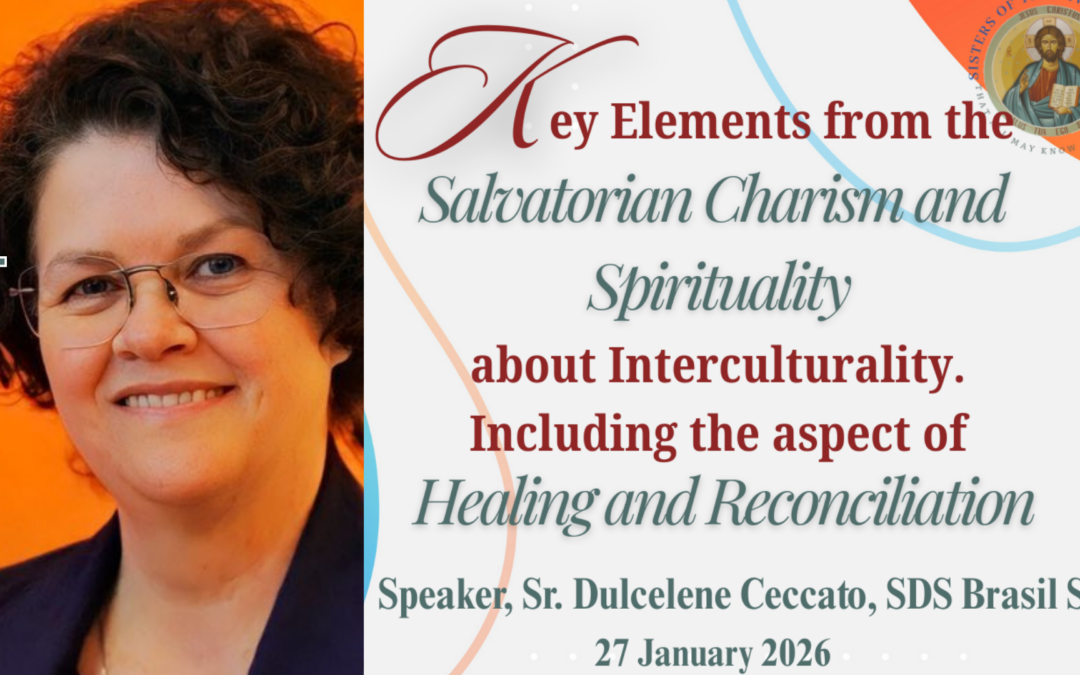
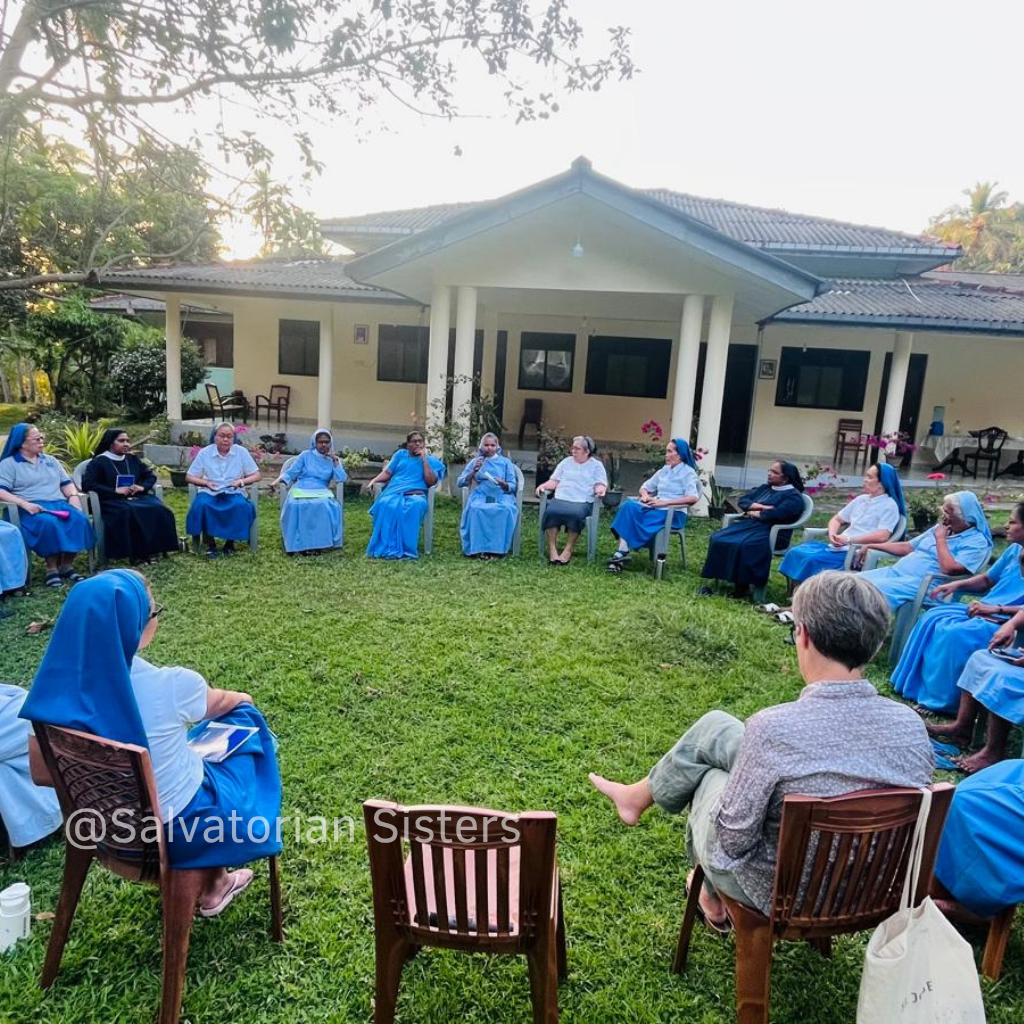
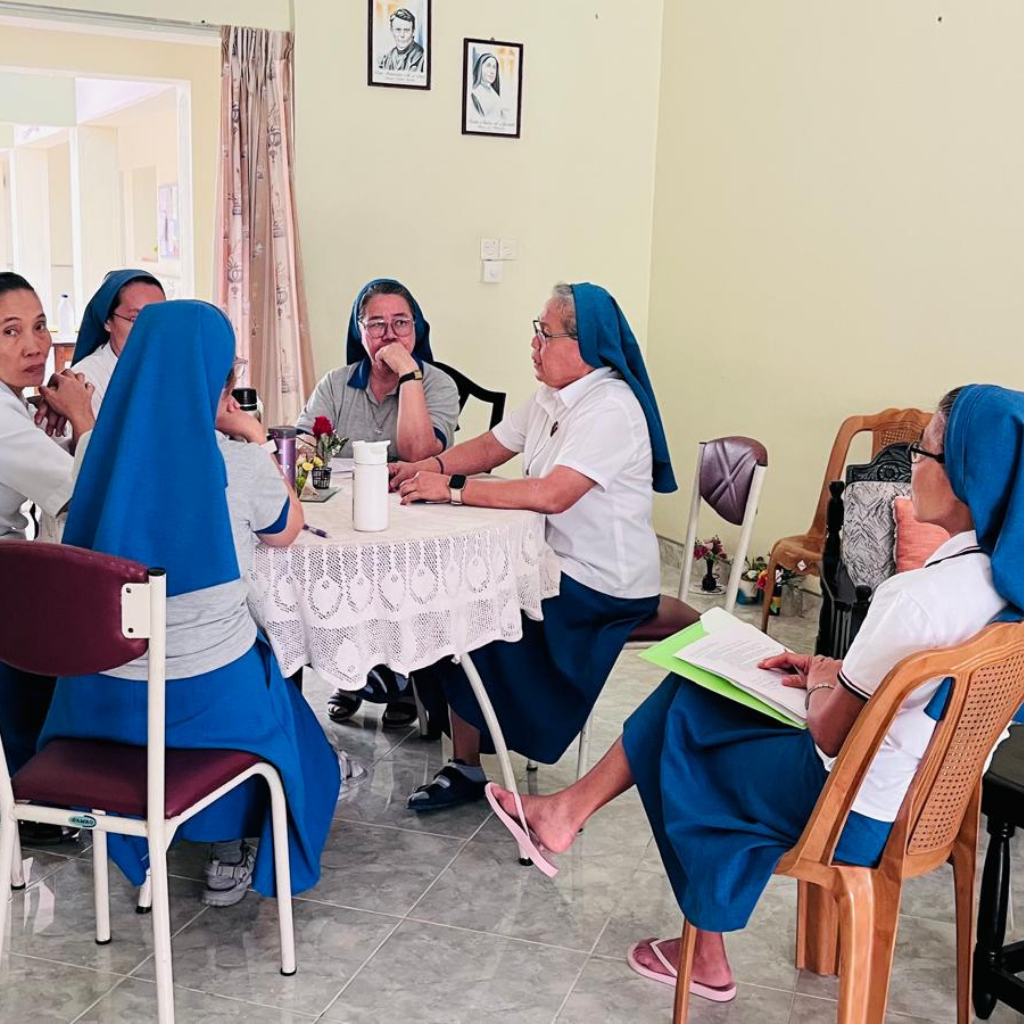
The session on interculturality continued, offering deeper insights and inspiration. It was emphasized that the intercultural journey is not linear but circular—by standing together in a circle, we grow together. This was followed by personal reflection and group discussions on three key behaviours, values, and beliefs that shape us. A touching video of a hedgehog illustrated how personal barriers can create loneliness, and how the support of others helps in building safe and accepting spaces. Further small group sharing highlighted both the beauty and challenges of interculturality.
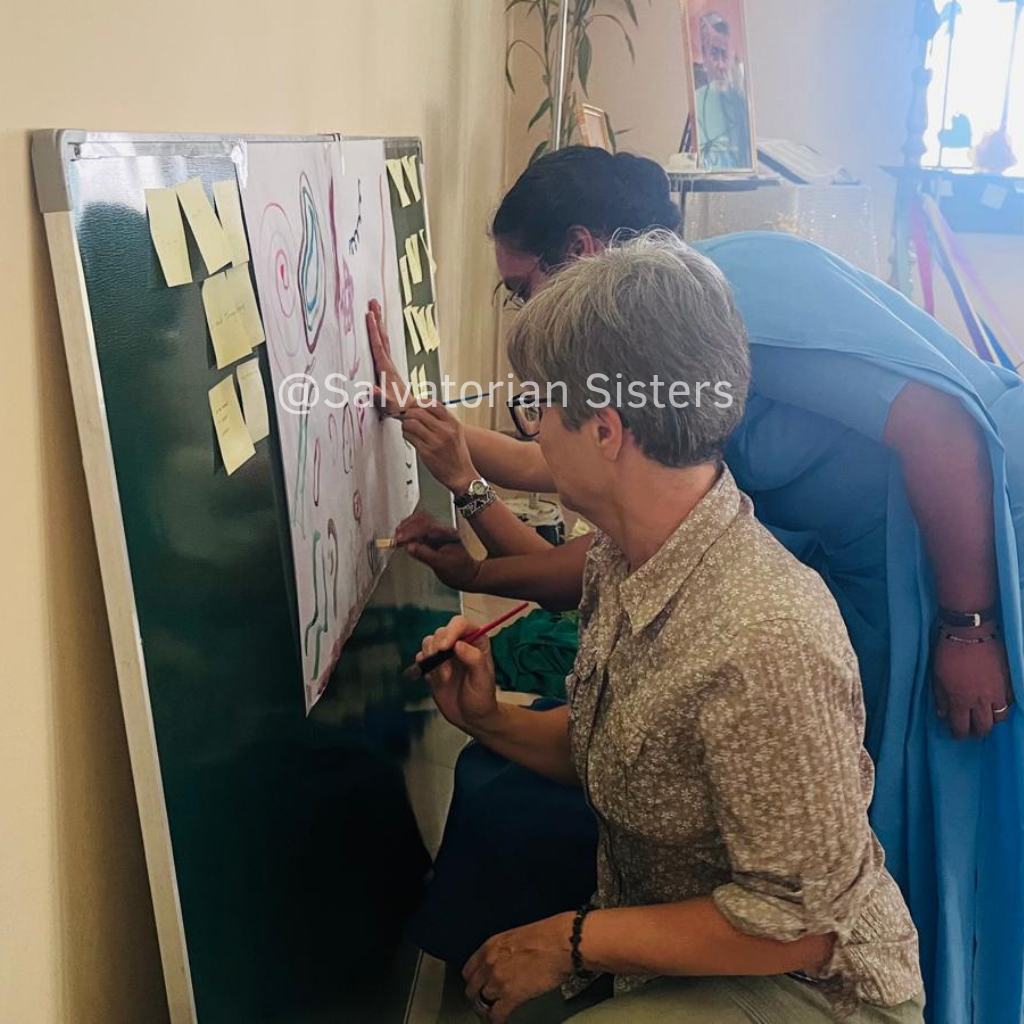
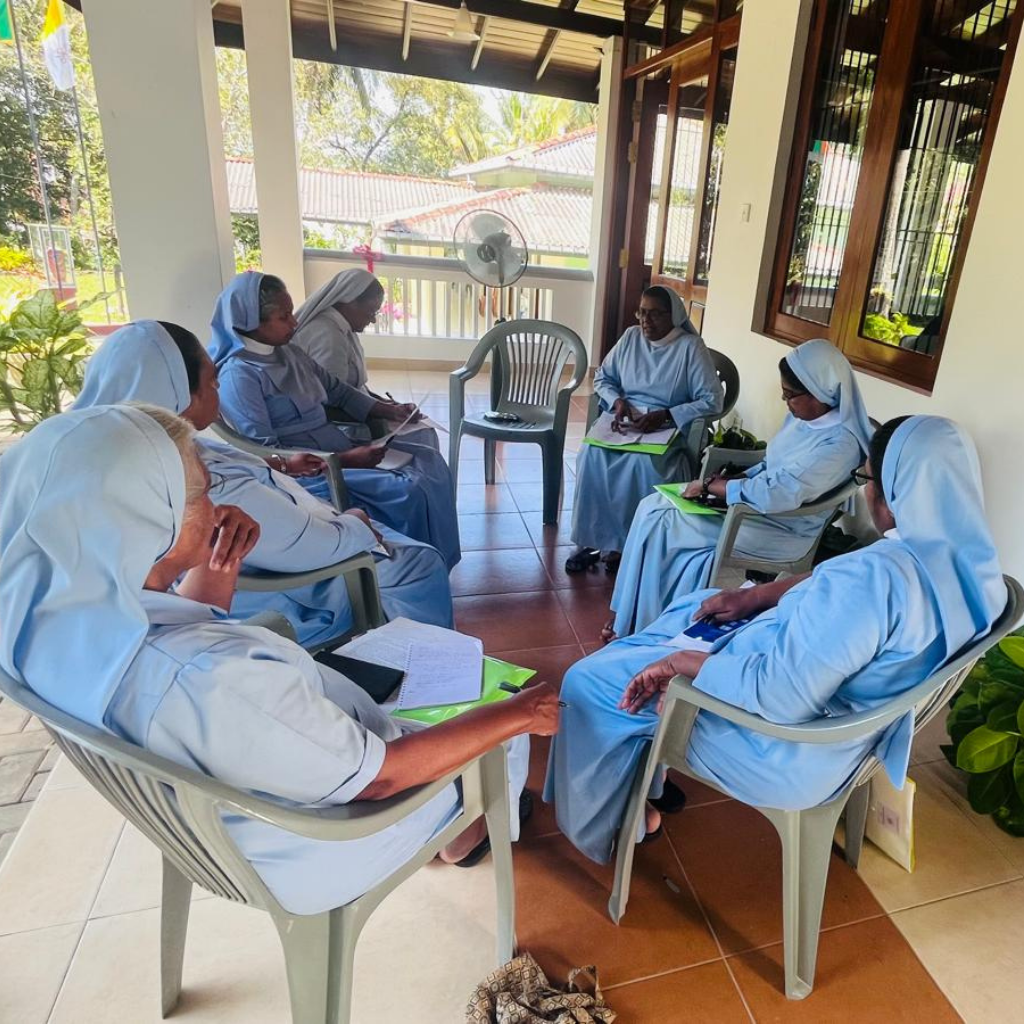
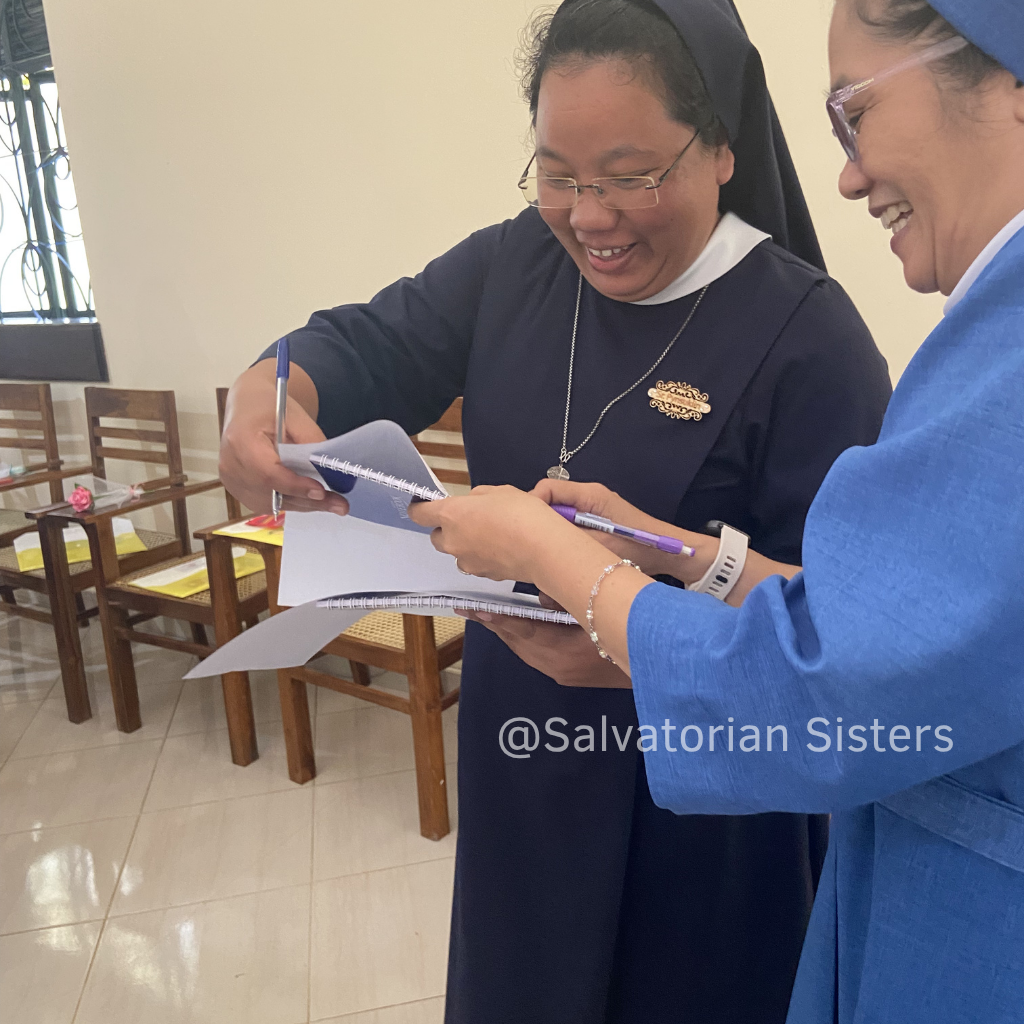
The afternoon session focused on intercultural formation. Participants reflected on the meaning of formation through a creative activity, expressing their thoughts on paper and representing them on a canvas. The group sharing that followed deepened our understanding, as members explored various methods that help formees adapt to new realities in formation. The sessions concluded with a meaningful video on God’s formative work in our lives, carrying the message: “Be a leader and a formator who listens.” The sisters from the Philippines Region led the evening prayer, and the fourth day concluded with the joyful announcement of a visit to various communities across Sri Lanka on the following day.
Discovering the beauty of diversity_Day 03
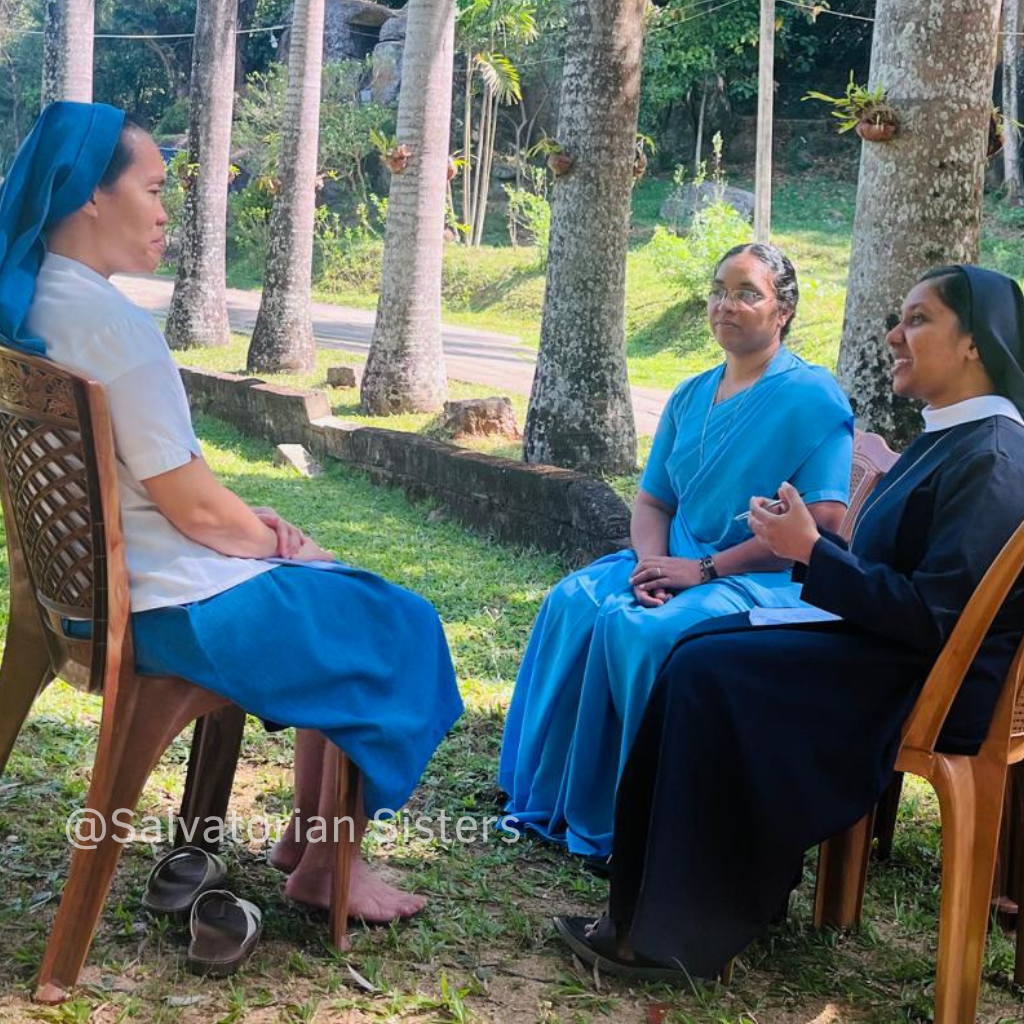
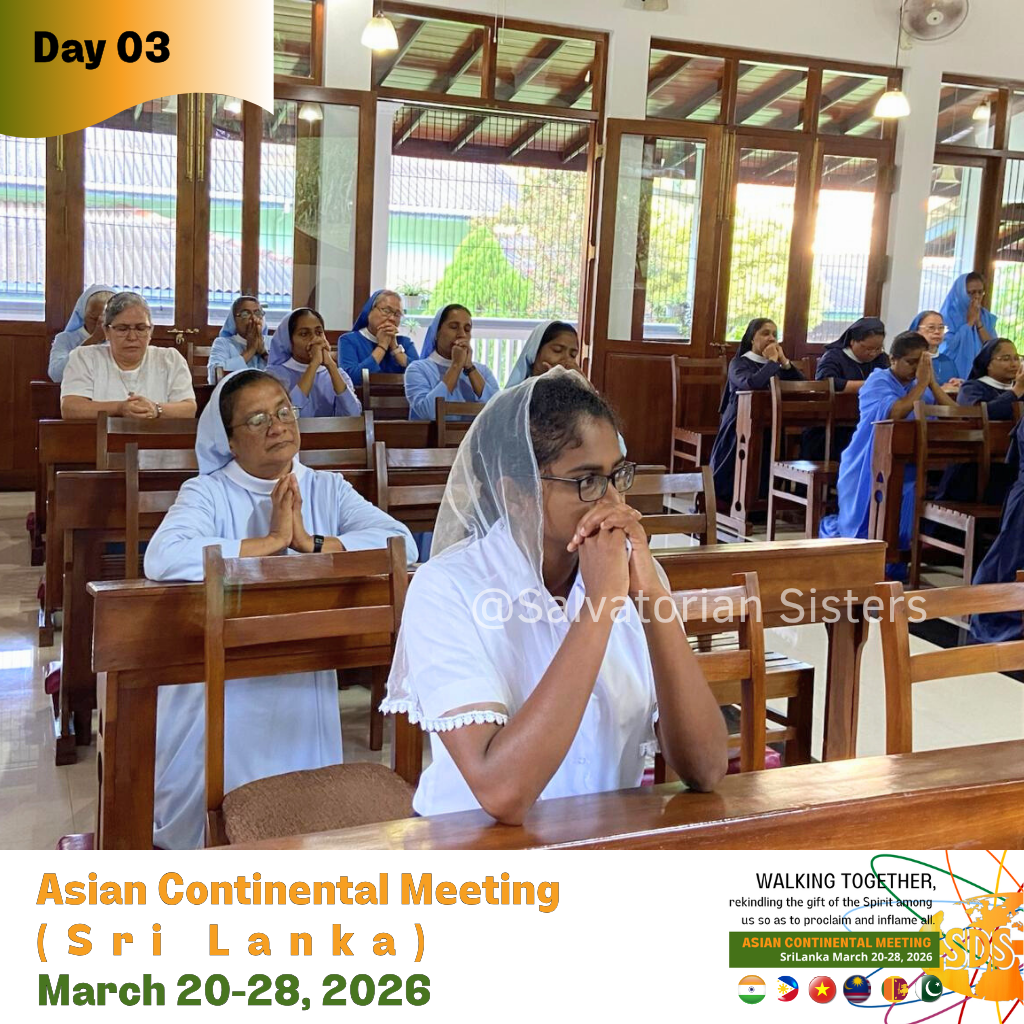
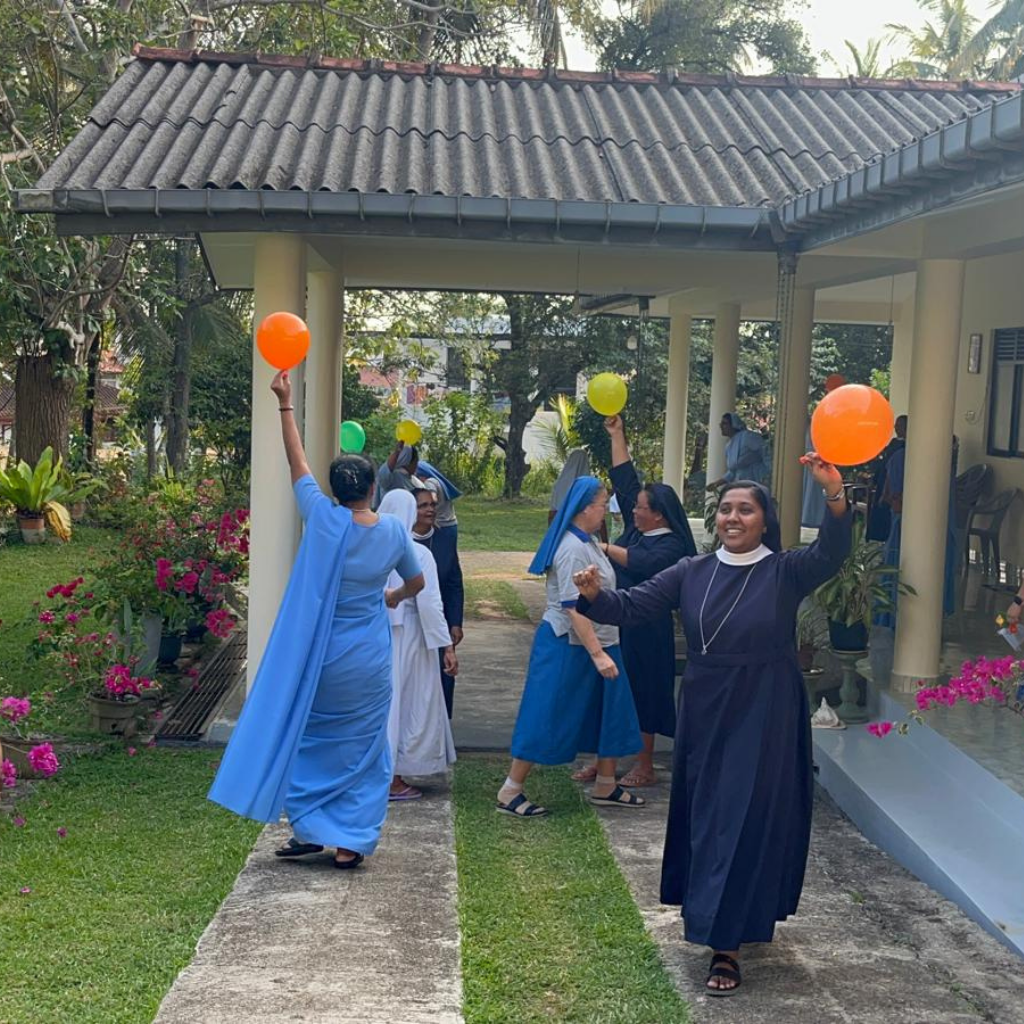
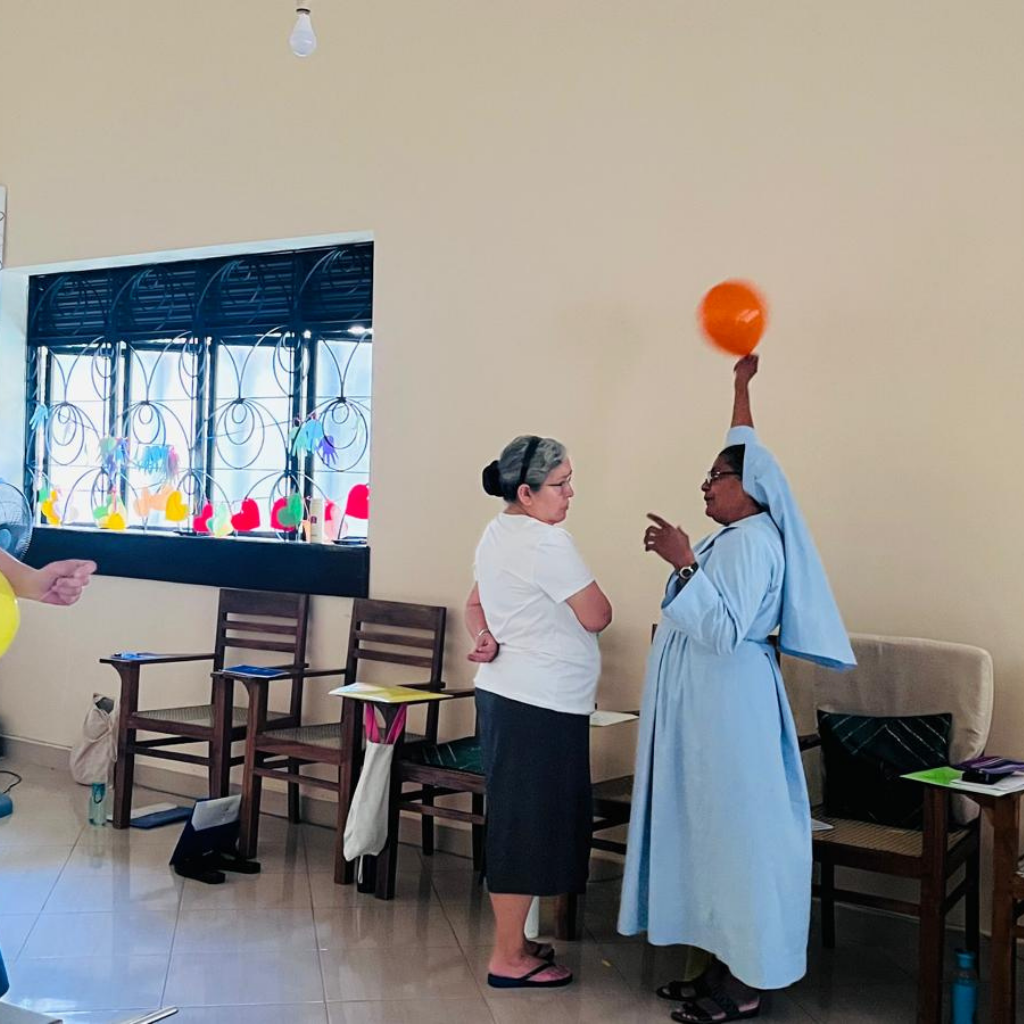
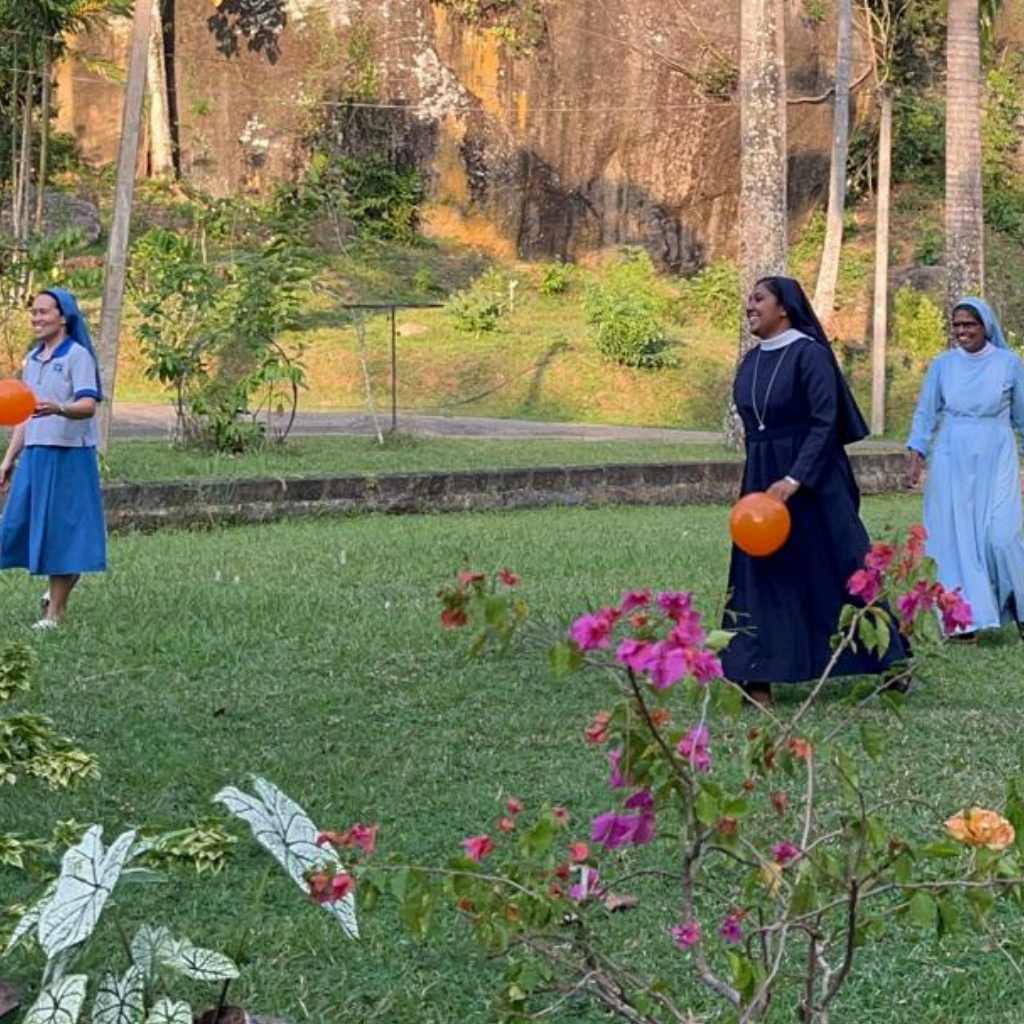
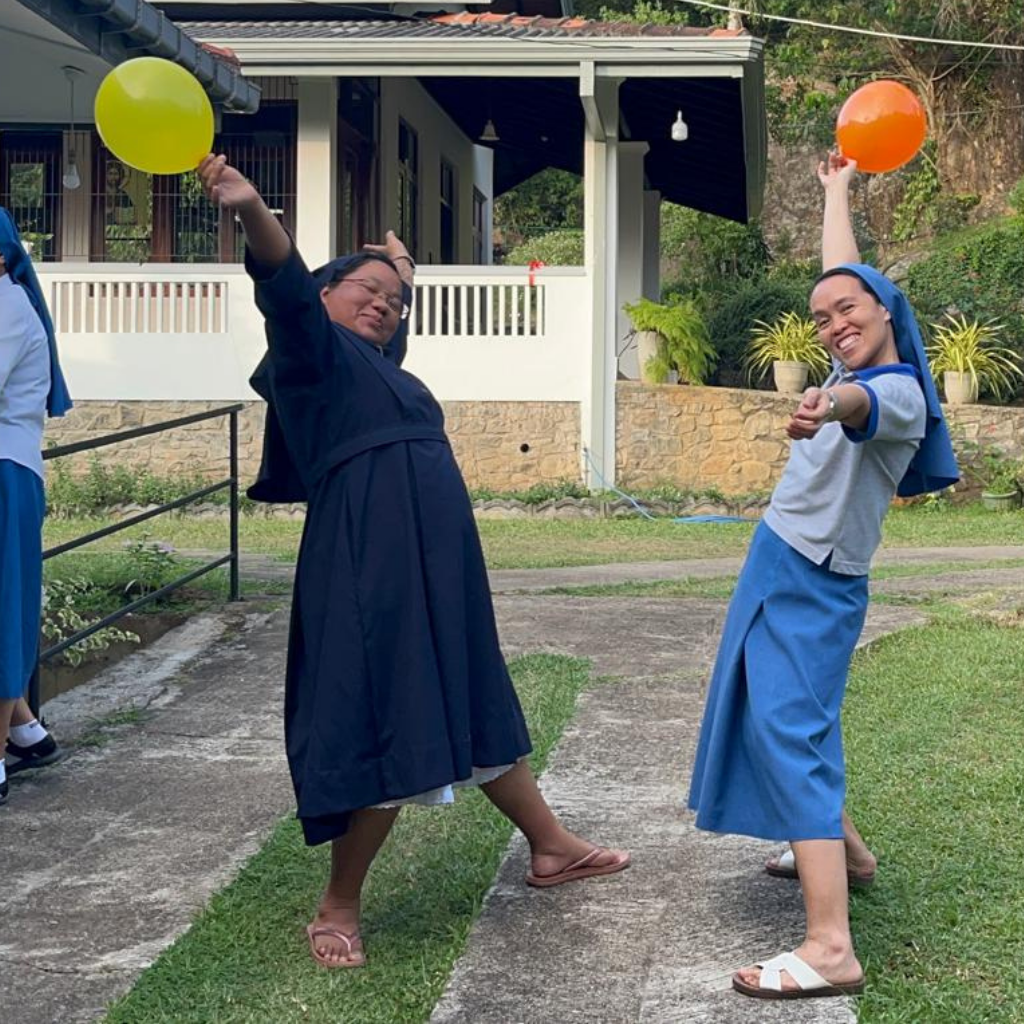
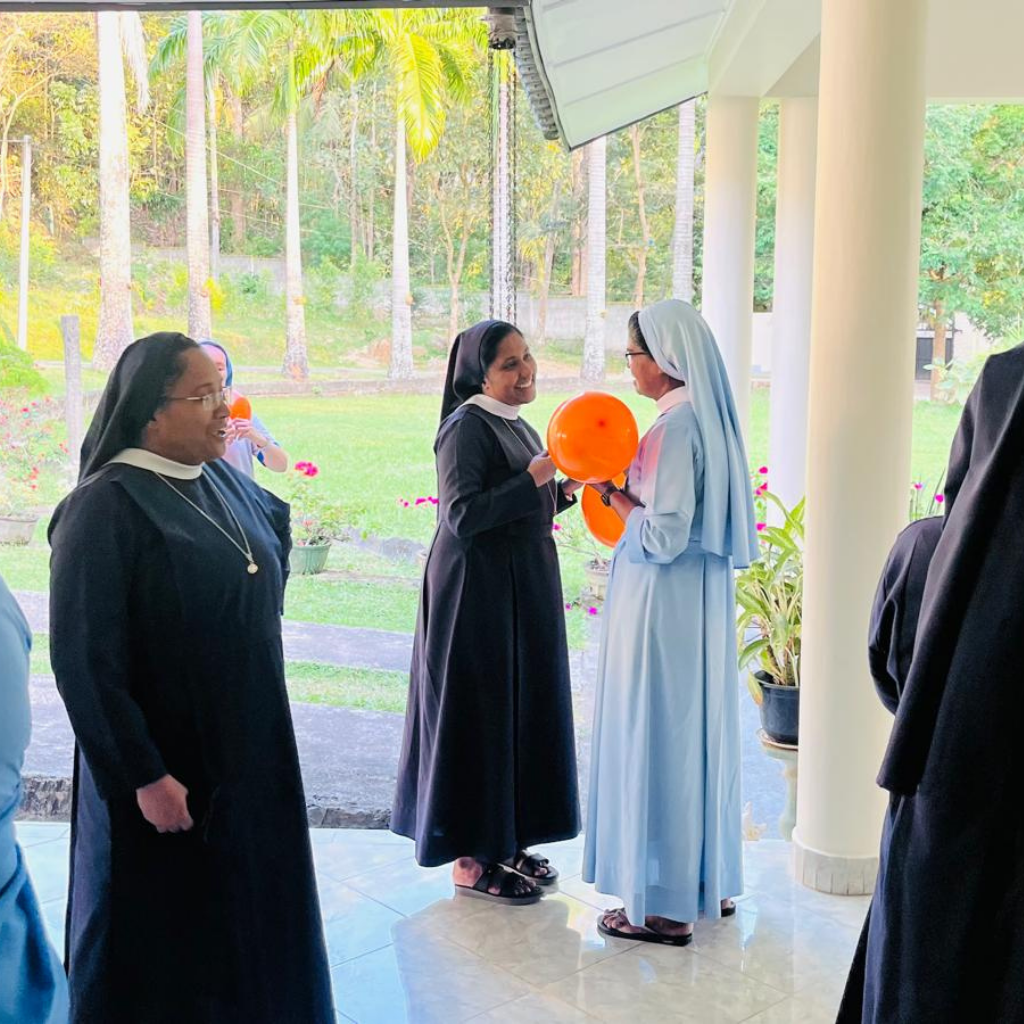
We commenced our day with prayer, led by the biblical figure of Hannah, rekindling faith and lifting one another through the guidance of the Indian Unit. The sisters were then sent into their groups as units, where they engaged in sharing rooted in the discernment process. Together, they listened deeply, allowing the Holy Spirit to speak through each voice, and reflected on how our call to synodality can be lived out in practice. This collective discernment reminded us that walking together strengthens our journey of faith. In the evening, Sr. Suneela began the input session on interculturality. Balloons were given for an activity that revealed the hidden reasons of cultures. The sisters enjoyed playing, pricking, and protecting their balloons—an experience that symbolized both the challenges and beauty of intercultural encounters. Through the joyful activity, a deeper reflection emerged: cultures may differ, but each one carries meaning, value, and the call to mutual respect. With this beautiful insight, the session was adjourned until tomorrow. We closed with a prayer of thanksgiving, honoring grains as a simple yet profound gift from God—symbols of nourishment, abundance, and shared life.
Exploring the Path of Synodality in Asia_ Day 02
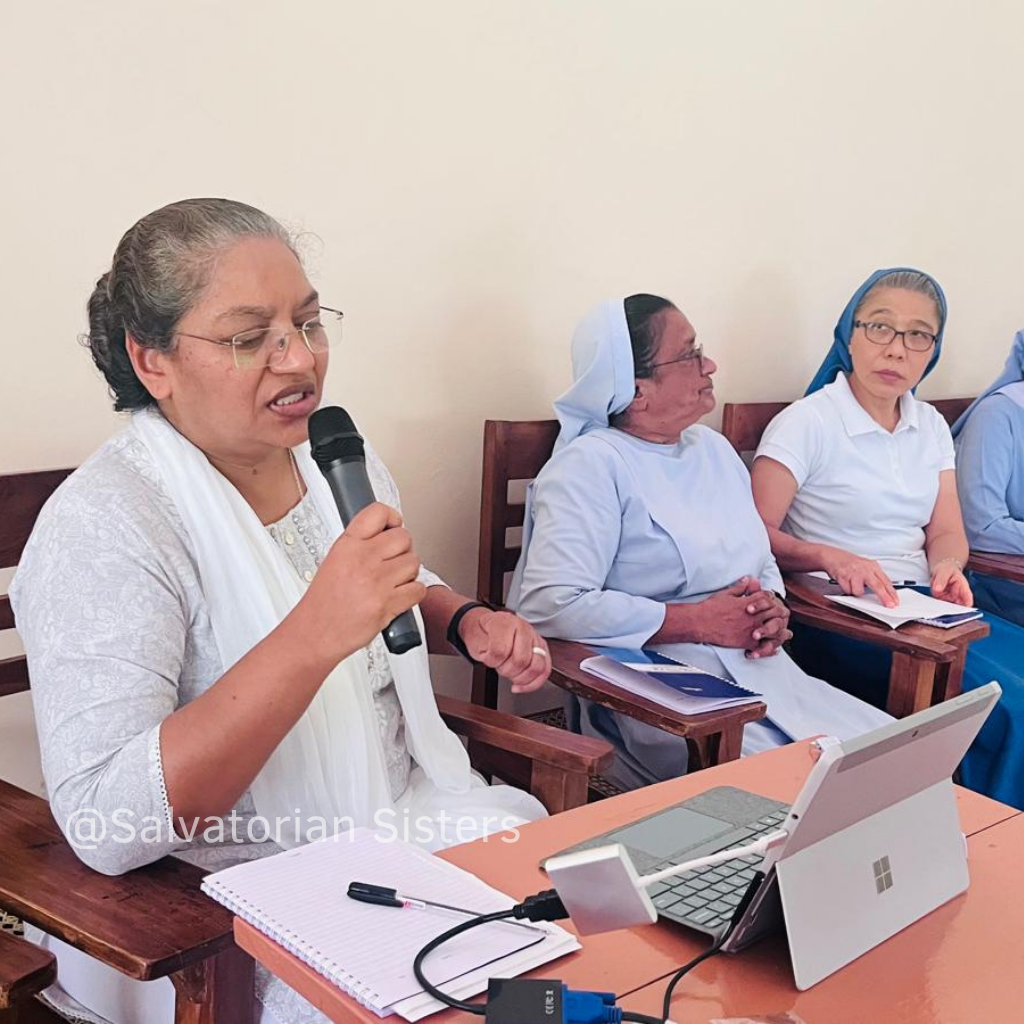
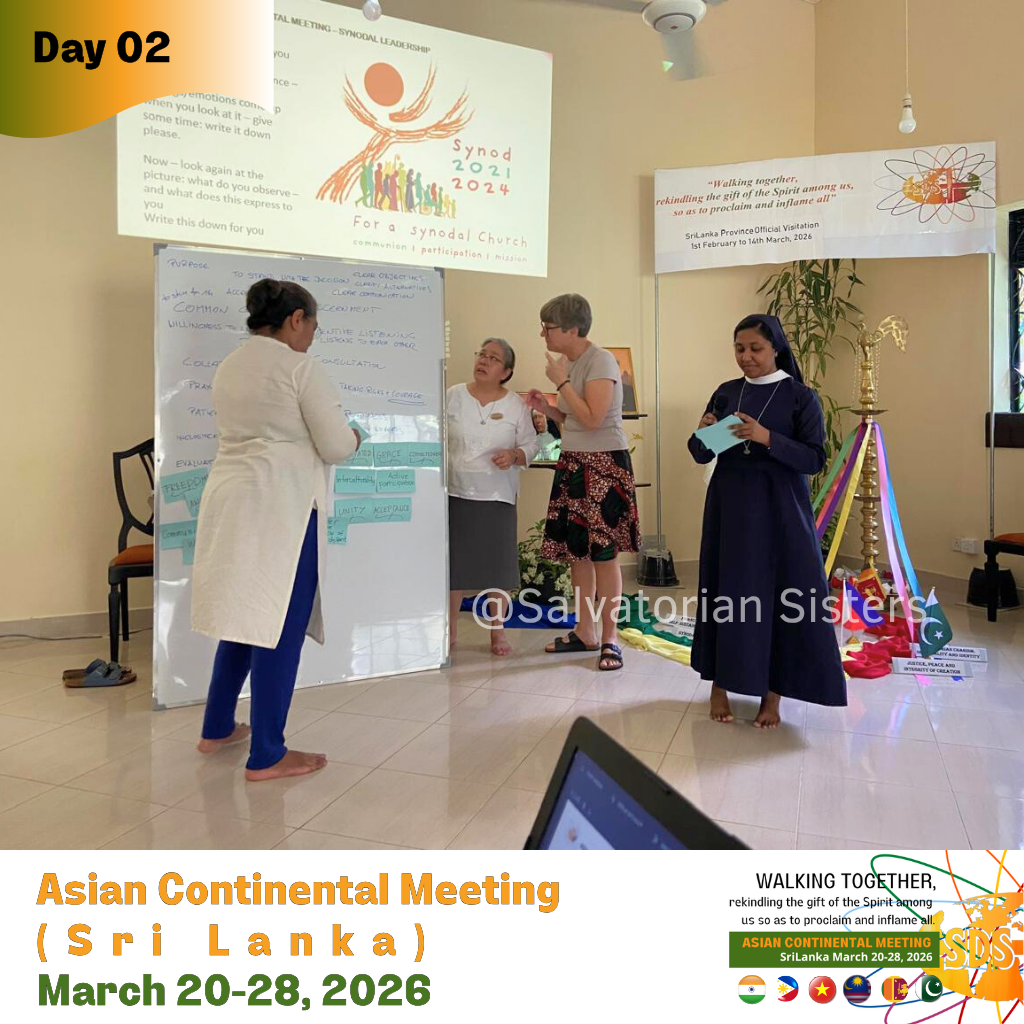
Building on the opening day’s joy, the participants of the ACM Sri Lanka_2026 moved into a space of deep listening and honest dialogue, exploring what it truly means to “walk together” as a Salvatorian family within the unique and complex landscape of Asia and the Synodal calling: Communion, Participation, and Mission. Far from being a mere organizational strategy, Synodality was reflected upon as a way of living—a call to listen to the Holy Spirit through one another. The atmosphere was one of shared “co-responsibility,” where every voice—regardless of role or hierarchy—was honored as a vital part of the Church’s mission.
As the sisters from India, the Philippines, Vietnam, Malaysia, and Sri Lanka shared their insights, the conversation turned toward the beautiful, yet challenging, reality of the Asian continent. The participants reflected on how the Spirit moves within: The Beauty of Diversity, The Power of Small Christian Communities and the Path of Dialogue between cultures, religions and various categories of the society. The participants engaged in a transparent “discernment of challenges,” identifying the barriers that sometimes stifle the Spirit’s flame in Asia. From the struggles of clericalism and hierarchical mindsets to the cultural and patriarchal norms that can limit the voices of women, the sisters spoke with courage about the need for transformation. They also acknowledged the external pressures of poverty, political restrictions, and the vast “communication gaps” created by rural isolation and language diversity. These challenges were not seen as dead ends, but as invitations to a deeper, more resilient faith. The day concluded with a renewed sense of hope and a clear vision for the path ahead.
The sisters recognized that for Synodality to truly take root in the Salvatorian mission in Asia, there must be a commitment to: Empowering the Laity: Ensuring that women and lay collaborators are formed and invited into leadership. Ongoing Formation: Training the heart to listen and discern God’s will together rather than following a “majority rule” mindset. Cultural Adaptation: Continuing to “inculturate” the liturgy and mission so that the Gospel speaks clearly to the local realities of the people. At the end of the day the sentiment among the participants was clear: the future of the Church in Asia depends on the courage to adapt and the humility to listen. By embracing these challenges, the SDS sisters are not just discussing Synodality—they are living it, rekindling the gift of the Spirit to better “proclaim and inflame all.”
A Joyful Beginning: SDS Asian Continental Meeting Opens in Sri Lanka_Day 01
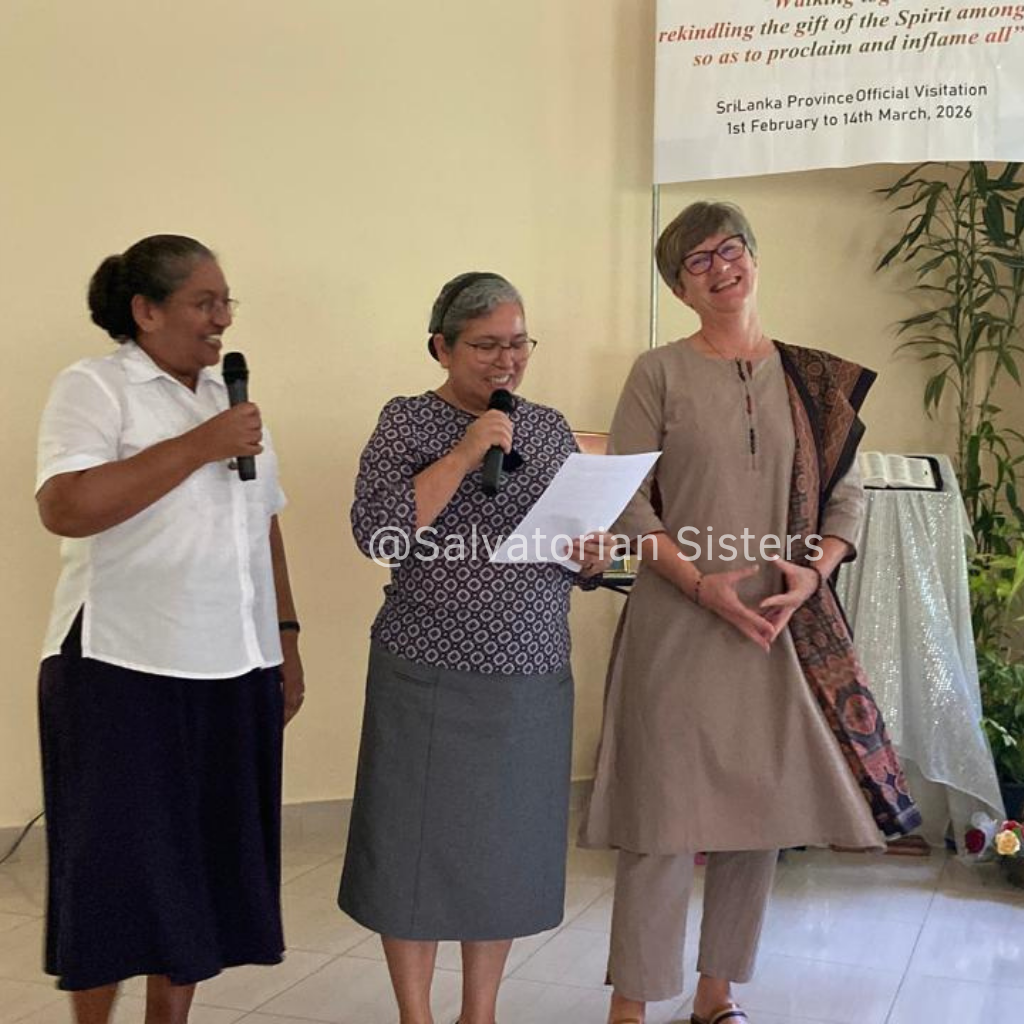
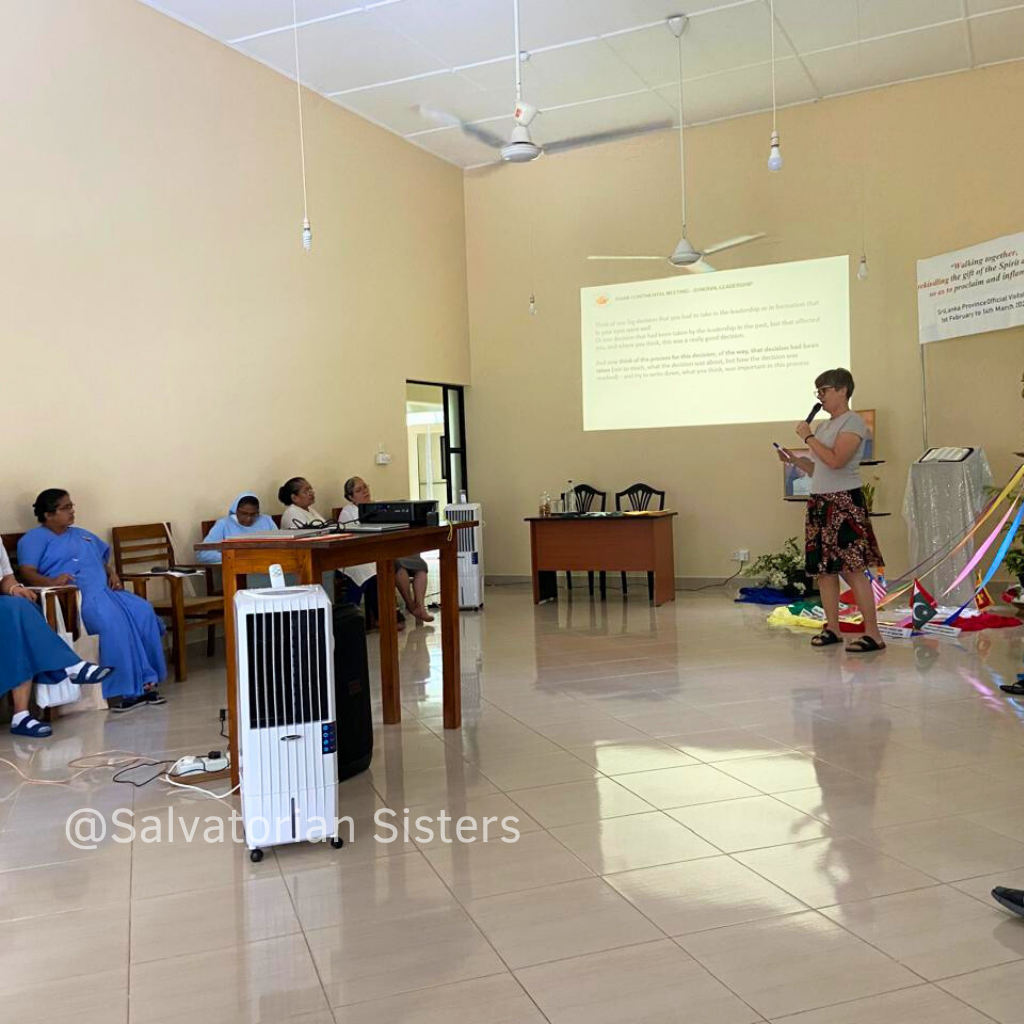
The SDS Asian Continental Meeting opened on a vibrant and grace-filled note at the Sri Lanka Province, gathering sisters from across Asia in a spirit of unity, joy, and shared mission. With the inspiring theme, “Walking together, rekindling the gift of the Spirit among us, so as to proclaim and inflame all,” the meeting began as a beautiful celebration of faith, culture, and communion.
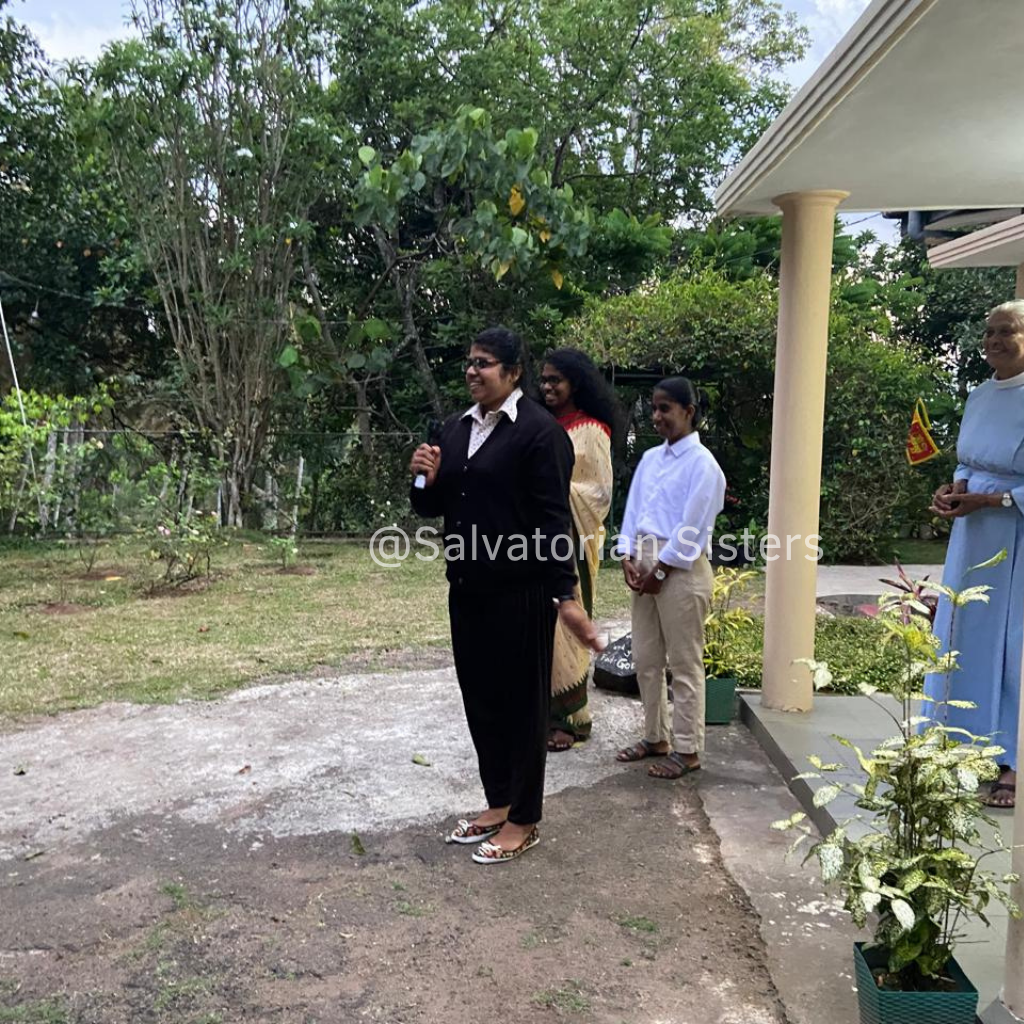
The opening ritual immediately set a warm and festive atmosphere. One of the most memorable moments was the Sri Lankan cultural dance, which welcomed the participants with beauty, energy, and heartfelt hospitality. Rich in tradition and meaning, the dance reflected the unique gift of the host country and served as a joyful reminder that the Spirit moves through the richness of every culture. As participants gathered from the Indian Region, the Philippines, Vietnam and Malaysia Region, and the Sri Lanka Province, the sense of coming together as one Salvatorian family was deeply felt. Smiles, conversations, and joyful encounters filled the venue, creating an atmosphere of openness and sisterhood from the very beginning. Adding to this spirit of connection was the getting-to-know-you activity, which brought laughter, warmth, and lively interaction among the participants. More than just an introduction, it became a meaningful moment of encounter, allowing everyone to appreciate one another’s presence, stories, and mission experiences. It was a simple but powerful way of living out the call to “walk together.”
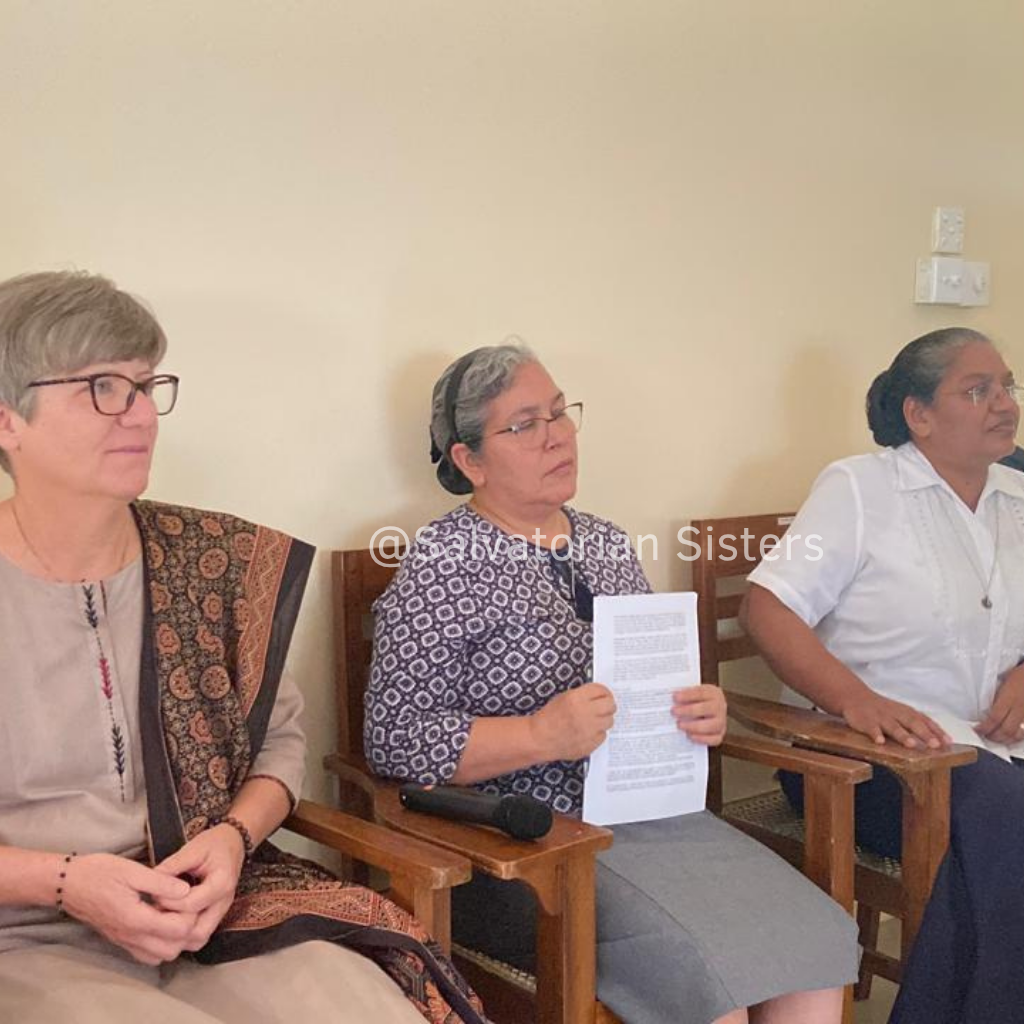
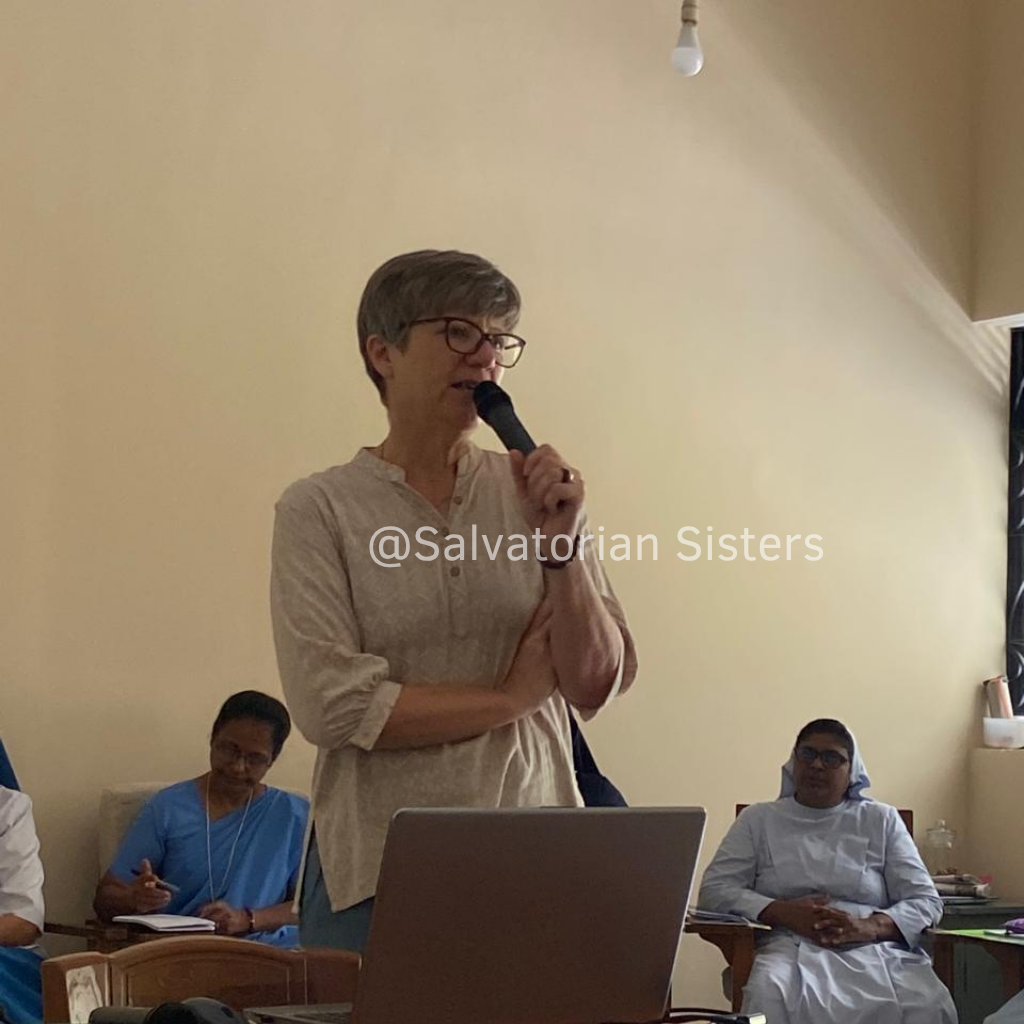
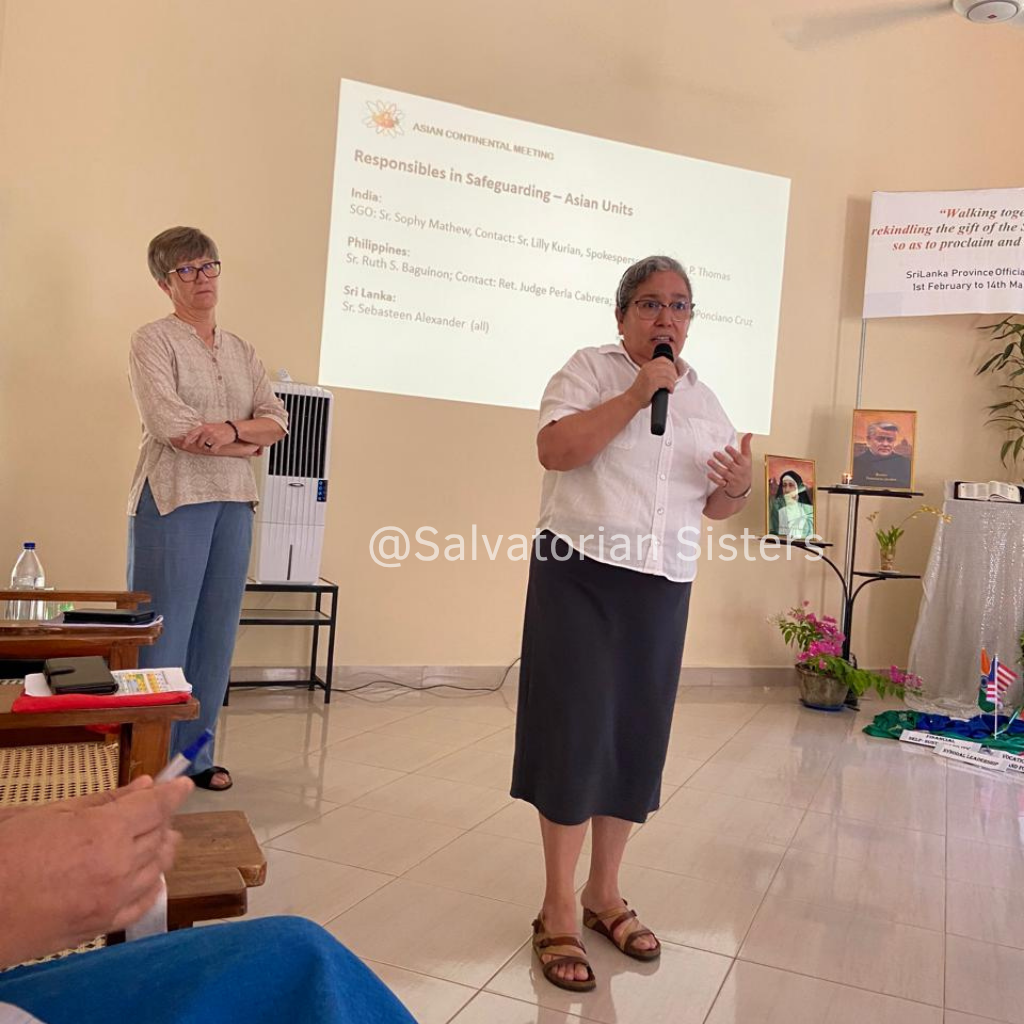
In the afternoon, the meeting took on a reflective tone through the presentation of reports from the different units. The Indian Region, the Philippines, Vietnam and Malaysia Region, and the Sri Lanka Province each shared their realities, mission experiences, milestones, and ongoing challenges. These presentations offered not only information, but also inspiration—revealing the many ways the Spirit continues to work through the mission of the SDS in different parts of Asia. The opening day was truly a vibrant mix of celebration and reflection. It was a day that honored diversity, strengthened communion, and renewed the shared commitment to mission. As the meeting continues, the participants carry with them the joy of this beginning and the deeper call of the theme: to walk together, to rekindle the Spirit’s gift among them, and to go forth ready to proclaim and inflame all. The gathering in Sri Lanka is more than a meeting—it is a living witness to the beauty of unity in diversity and to the enduring fire of the Salvatorian mission in Asia.
88
89
90
91
92
93
94
78
79
80
81
82
83
84
85
86
87
72
73
74
75
76
77
64
65
66
67
68
69
70
71
22
55
56
57
58
59
60
61
62
63
21
43
44
45
46
47
48
49
50
51
52
53
20
33
34
35
36
37
38
39
40
41
19
28
29
30
31
20
Asian Continental Meeting 2026
21
22
23
24
25